What Are the Key Engineering and Performance Metrics of the Five-Year ISS Upgrade?
- Duration of Final Power Upgrade Spacewalk: 6 Hours, 38 Minutes
- Total Roll-Out Solar Arrays Installed: 8 iROSA Assemblies
- Increase in Total Station Power Generation: Approximately 30% Boost (Exceeding 250 kW)
- Program Timeline From First to Final Array: 2021 to 2026 (5-Year Multi-Phase Campaign)
The extravehicular excursion paired Menon, an American physician and astronaut, with Kutryk, representing Canada's astronaut corps on his inaugural spacewalk. Riding on the foot restraint attached to the mobile Canadarm2 robotic arm, Menon maneuvered the bulky, cylindrical array canister across the station's complex truss architecture. Working outside the Quest airlock on the starboard truss, Kutryk anchored structural brackets and mated heavy power cables, enabling the tensioned deployment of the flexible solar blanket across the pre-installed mounting modification kit.
Ground controllers at Mission Control Houston closely monitored telemetry as the locking pins were released. Operating under direct solar illumination, the stored elastic strain energy within the composite booms gently unfurled the solar blanket to its full 60-foot length. Thermal cameras aboard the station confirmed immediate electrical conductivity across the 3B channel, registering nominal direct current voltage feeding directly into the station's primary power distribution modules without voltage spikes or thermal anomalies.
Why Did the Orbiting Laboratory Require Next-Generation Roll-Out Solar Arrays?
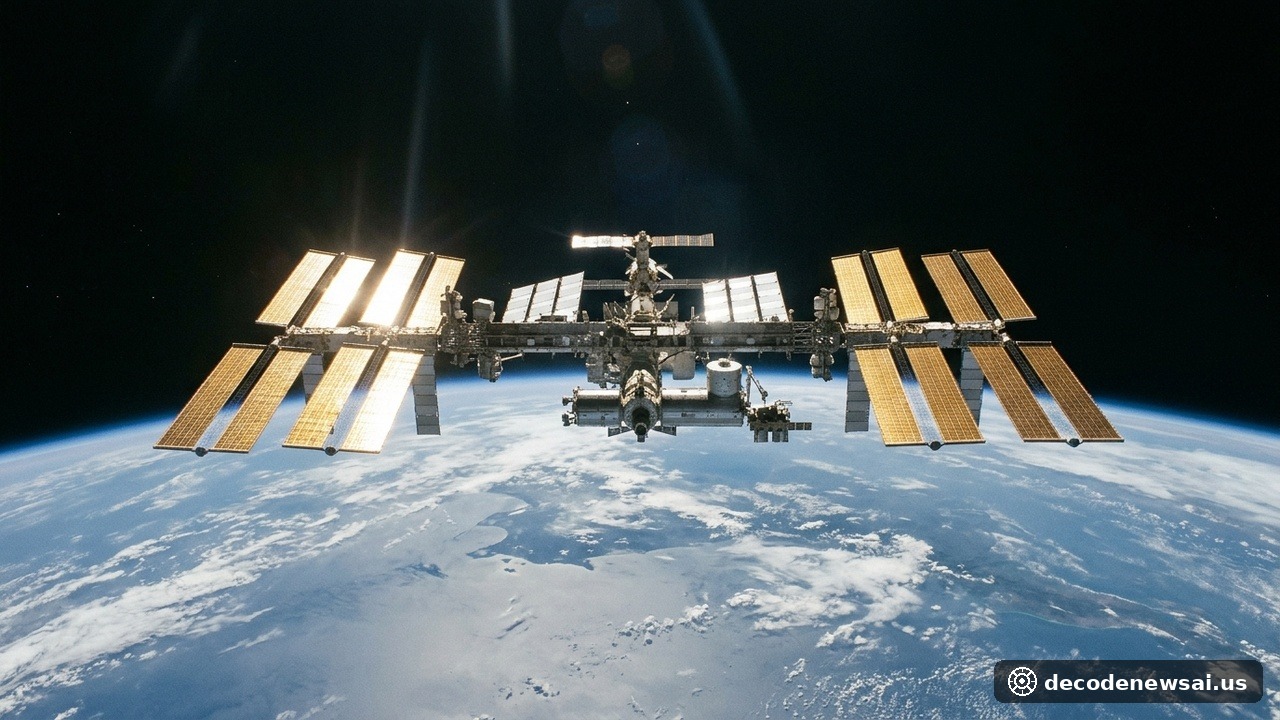
The International Space Station's original silicon solar arrays have generated electricity continuously since their initial installation between 2000 and 2009. Over two decades of relentless exposure to orbital atomic oxygen bombardment, micrometeorite strikes, and repeated thermal cycling between extreme orbital day and night conditions, the vintage photovoltaic cells suffered predictable degradation, losing a substantial percentage of their rated electrical efficiency.
Rather than undertaking the hazardous and prohibitively expensive task of physically removing the massive legacy wings, NASA partnered with commercial aerospace contractors to develop the modular iROSA design. Constructed from flexible composite booms and ultra-efficient triple-junction gallium arsenide photovoltaic cells, each iROSA rolls up into a compact cylinder for transport aboard commercial resupply vehicles. When unrolled in orbit, the arrays sit directly in front of the older wings, intercepting incident sunlight and feeding high-voltage direct current into the station's 120-volt internal electrical bus while utilizing existing tracking gimbals.
The energy demands of modern microgravity science have expanded dramatically over the past decade. Advanced technological payloads, including high-throughput biological incubation freezers, pharmaceutical protein crystallization centrifuges, automated plant habitats, and complex external Earth-observation sensors, consume continuous power levels far exceeding original station specifications. By boosting combined electrical generation beyond 250 kilowatts, the eight iROSA units ensure that scientific research schedules do not need to be curtailed during peak orbital darkness or during energy-intensive robotic berthing maneuvers.
How Does This Deployment Pave the Way for Gateway and Deep Space Human Exploration?
The successful commissioning of the eighth array not only guarantees abundant power for microgravity biological research, materials synthesis furnaces, and deep-space optical communication terminals aboard the ISS, but also serves as an operational testbed for lunar orbital infrastructure.
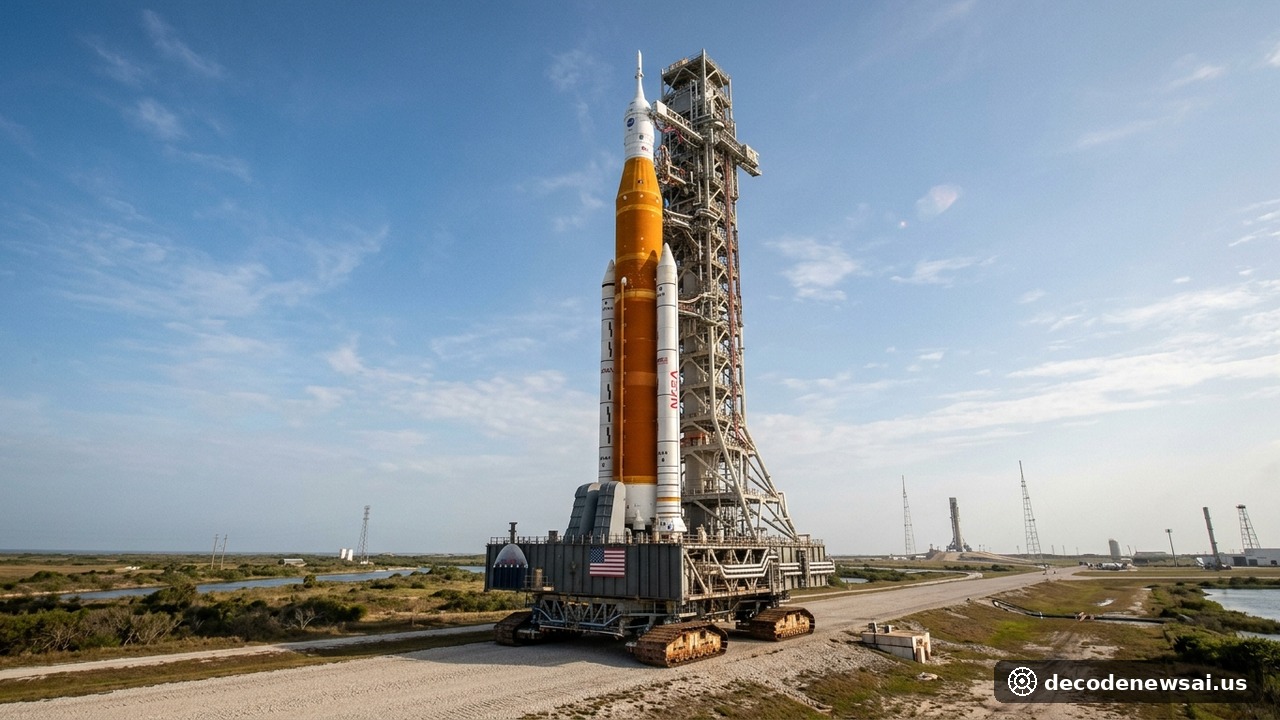
Engineers at NASA's Johnson Space Center in Houston confirmed that the self-deploying elastic strain energy carbon-fiber booms deployed during the spacewalk represent the baseline power architecture chosen for NASA's Artemis Gateway lunar orbital platform. By demonstrating that large-scale flexible solar wings can be installed and wired manually in zero gravity without mechanical deployment motors, the five-year ISS power augmentation program has established flight heritage that future human missions to cis-lunar space and Mars will rely upon for decades to come.
As the International Space Station approaches its final operational chapter toward 2030, the completion of the iROSA campaign demonstrates how legacy space infrastructure can be cost-effectively revitalized with modern composite technology. International partners from NASA, CSA, ESA, and JAXA can now execute their comprehensive decade-end scientific manifest with full electrical redundancy, ensuring that the station's scientific legacy transitions seamlessly to next-generation commercial low Earth orbit destinations.