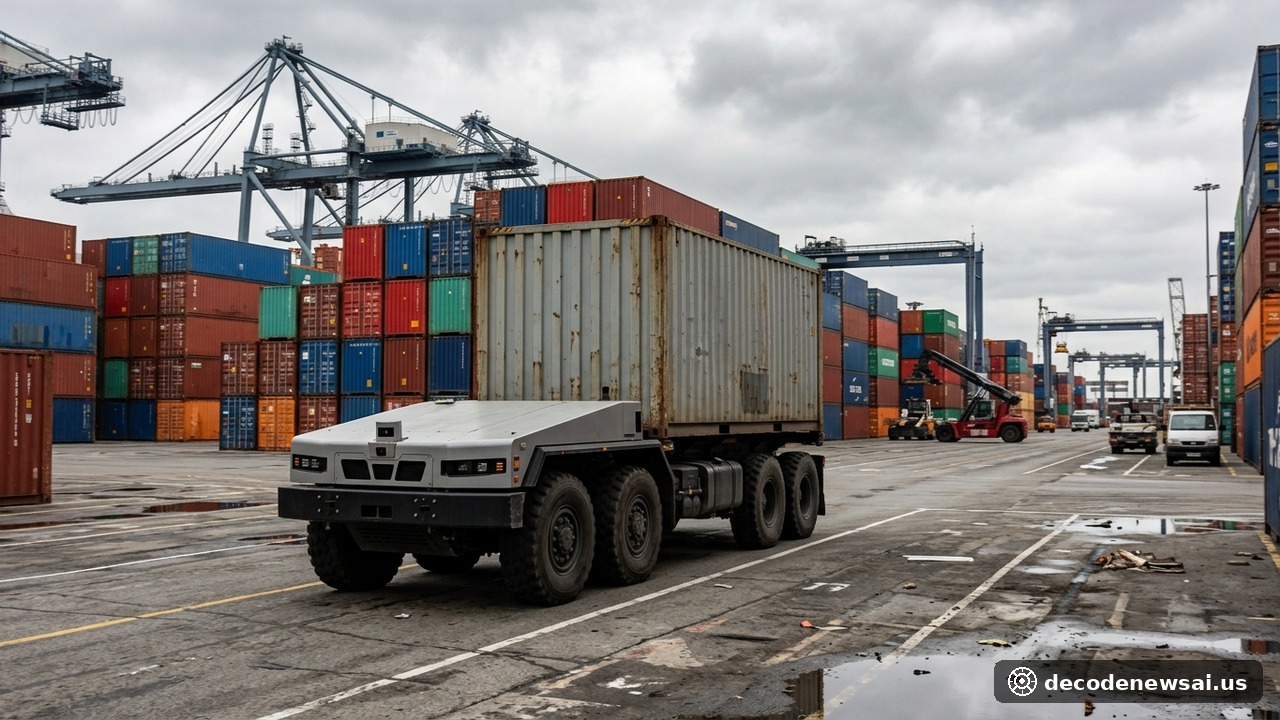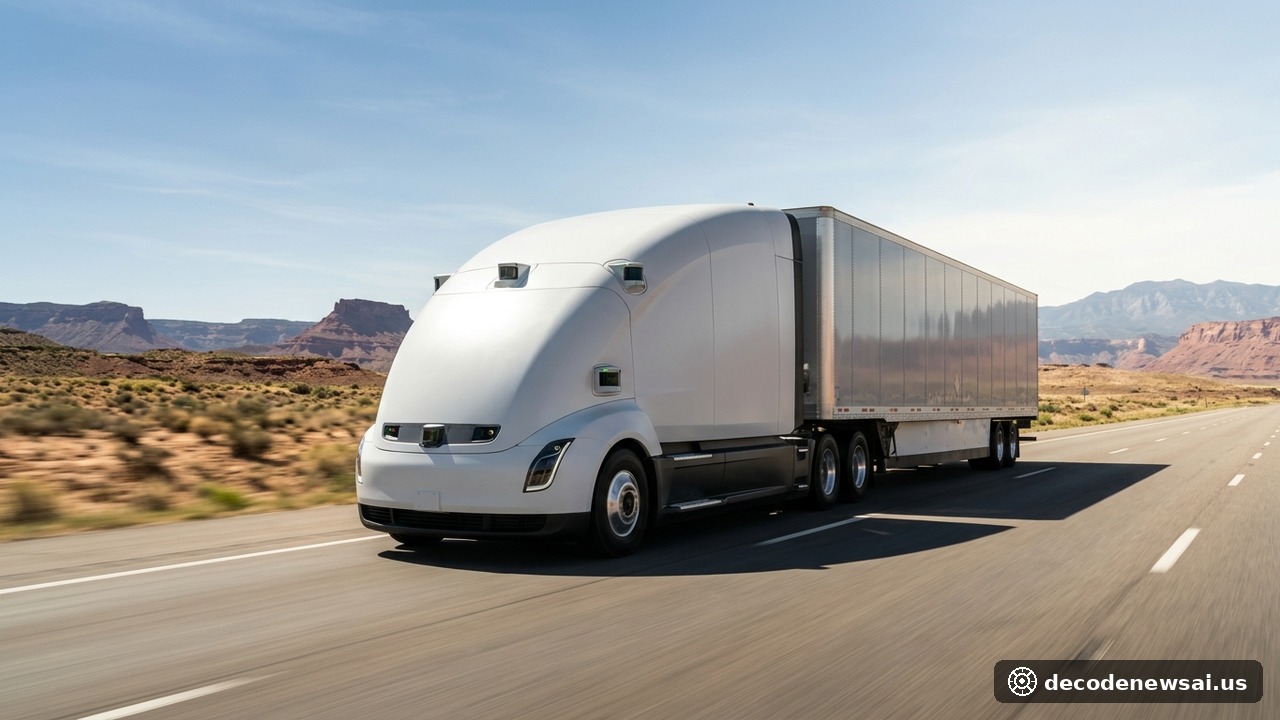
Humble Robotics Inc., the Silicon Valley autonomous trucking pioneer founded by former senior autonomous engineering leads from Apple and Uber, officially announced a $51 million Series A financing round on November 5, 2026. The investment was led by premier venture firm Obvious Ventures, with full follow-on participation from founding investors Eclipse and Energy Impact Partners, bringing total private capital raised to over $75 million. The fresh capital infusion will directly finance customer pilot operations, testing and validation, early manufacturing commissioning, and broader fleet deployment of the startup's purpose-built "Humble Hauler"—a cabless, all-electric Class 8 heavy-duty freight truck that entirely eliminates steering wheels, foot pedals, and driver enclosures.
What Are the Quantifiable Business Metrics and Engineering Milestones of Humble Robotics?
- Lead Institutional Venture Capital Investor: Obvious Ventures (Supported by Eclipse and EIP)
- Initial Functional Cabless Prototype Delivery: Completed in Under 6 Months (Emerged From Stealth April 2026)
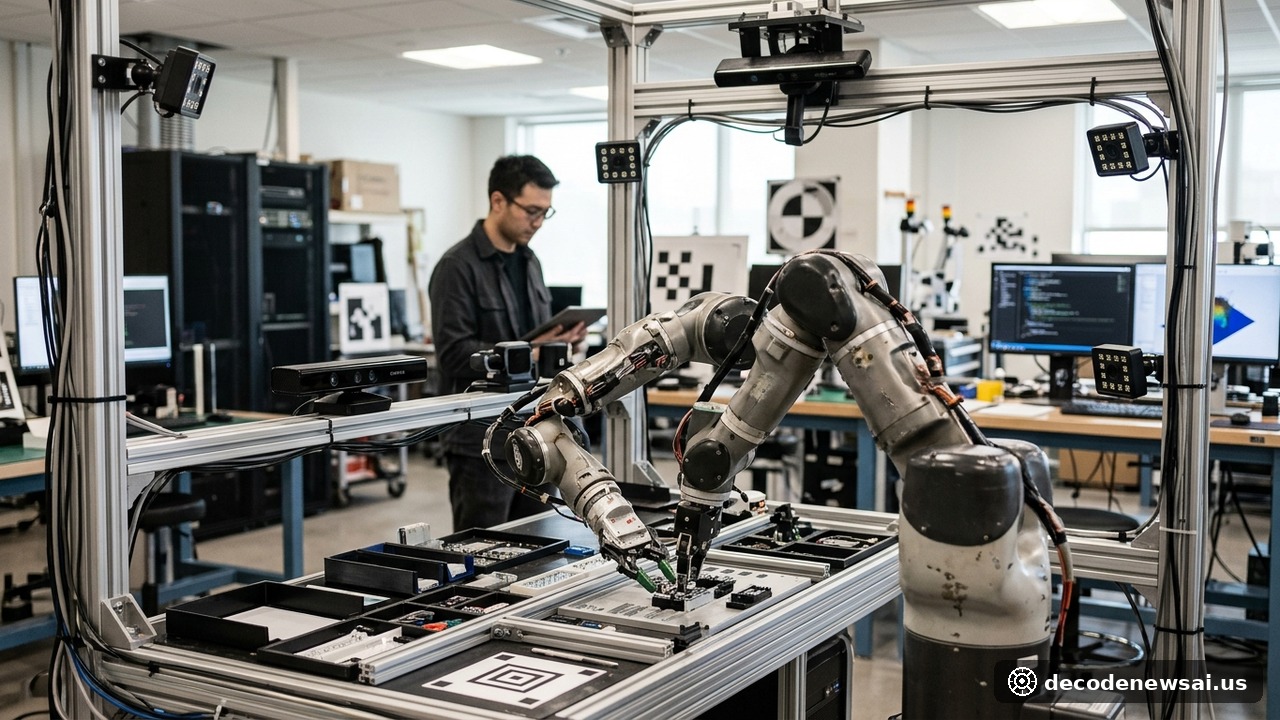
Cohen brings formidable technical pedigree, having previously directed autonomous systems, electric powertrain integration, and logistics architecture at Apple, Uber Advanced Technologies Group, and Waabi. The startup's interdisciplinary engineering cohort draws seasoned veterans from Tesla, Waymo, and Cruise, uniting cutting-edge neural network software with automotive-grade vehicle manufacturing.
How Does Vertical Hardware-Software Integration Overcome Highway Autonomy Bottlenecks?
The Humble Hauler is constructed upon a high-voltage, centralized skateboard chassis featuring tightly coupled liquid thermal loops that regulate high-capacity battery packs alongside onboard sensor suites. The autonomous hardware architecture incorporates quadruple-redundant steer-by-wire, brake-by-wire, and solid-state lidar pipelines capable of executing real-time obstacle avoidance calculations at thousands of hertz.
This deep integration resolves fundamental reliability bottlenecks. Under harsh adverse weather conditions—including heavy precipitation, zero-visibility dust storms, or isolated electrical circuit faults—the dual-redundant actuation controllers execute fail-operational safety stops within milliseconds. Multiple Tier-1 multinational logistics providers and retail distribution networks have contracted for commercial pilot demonstrations scheduled to launch across high-density freight corridors between Texas and California in early 2027.
Commercial fleet managers and freight forwarders have highlighted the transformative economic implications of cabless commercial logistics. By removing human driver duty-hour limitations, autonomous electric haulers can operate continuously along scheduled logistics corridors, pausing solely for automated high-speed battery swaps or megawatt-level charging sessions. This high asset utilization rate dramatically improves return on capital investment for logistics operators navigating tight operating margins.
At the same time, the transition toward electrified autonomous haulage requires substantial infrastructure modernization along major freight routes. Humble Robotics is collaborating with regional utility operators and logistics hub developers to establish dedicated high-voltage charging corridors equipped with redundant fiber communications. These strategic partnerships ensure that newly deployed commercial fleets achieve seamless interconnectivity and reliable power access across multi-state shipping routes.
What Structural Transformations Does Cabless Trucking Portend for Global Supply Chains?
Humble Robotics' successful capitalization signals an epochal paradigm shift across commercial freight logistics, accelerating the transition from supervised driver-assist retrofits to ground-up autonomous fleet operations.
Amid chronic long-haul driver demographic deficits and mounting labor shortages across North American supply chains, cabless electric freight architectures promise to compress operating cost per ton-mile by over 40% while eliminating diesel carbon emissions along interstate transport corridors. With backing from forward-thinking venture institutions, Humble's deployment of purpose-built autonomous vehicles will exert compelling competitive pressure on traditional original equipment manufacturers, accelerating the total electrification and automation of global surface transportation.