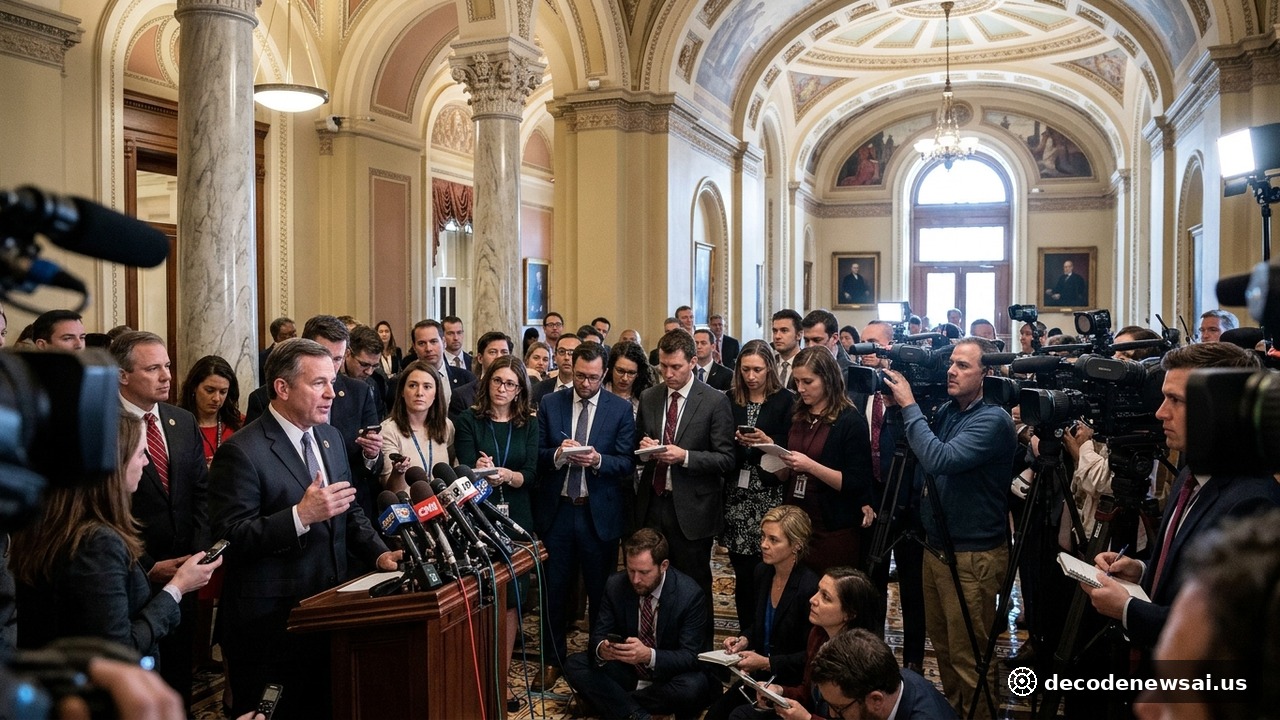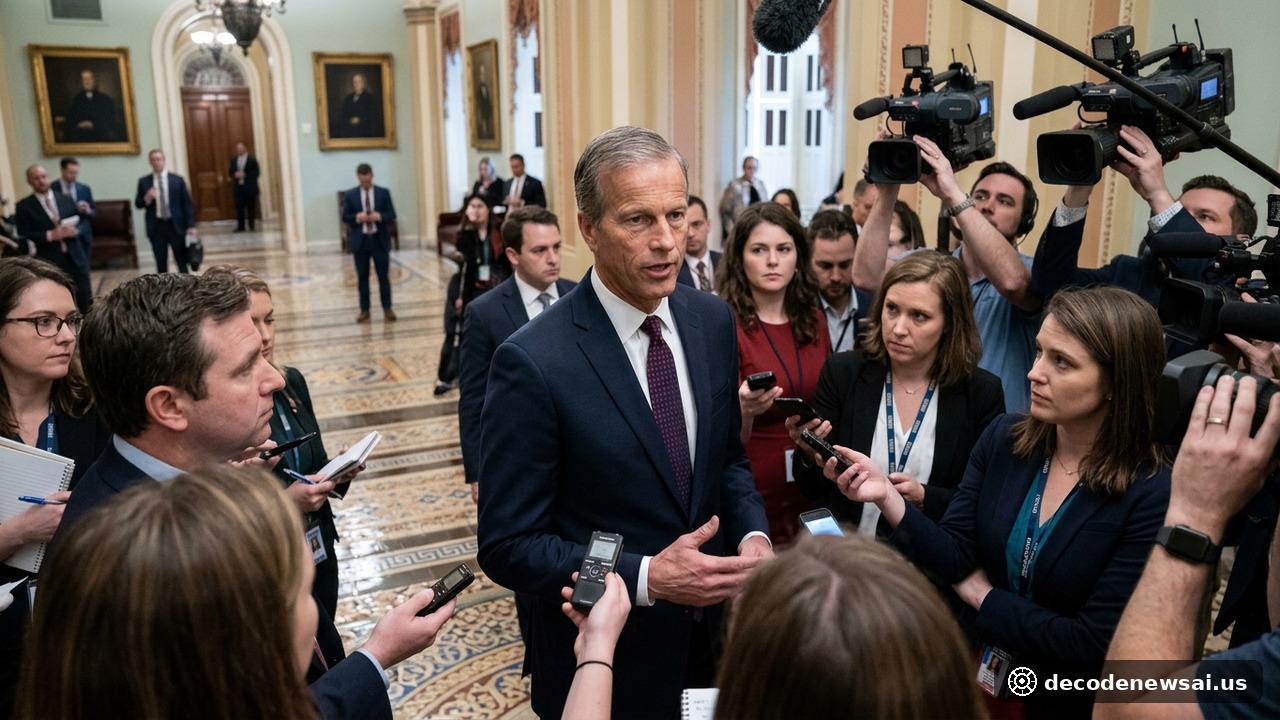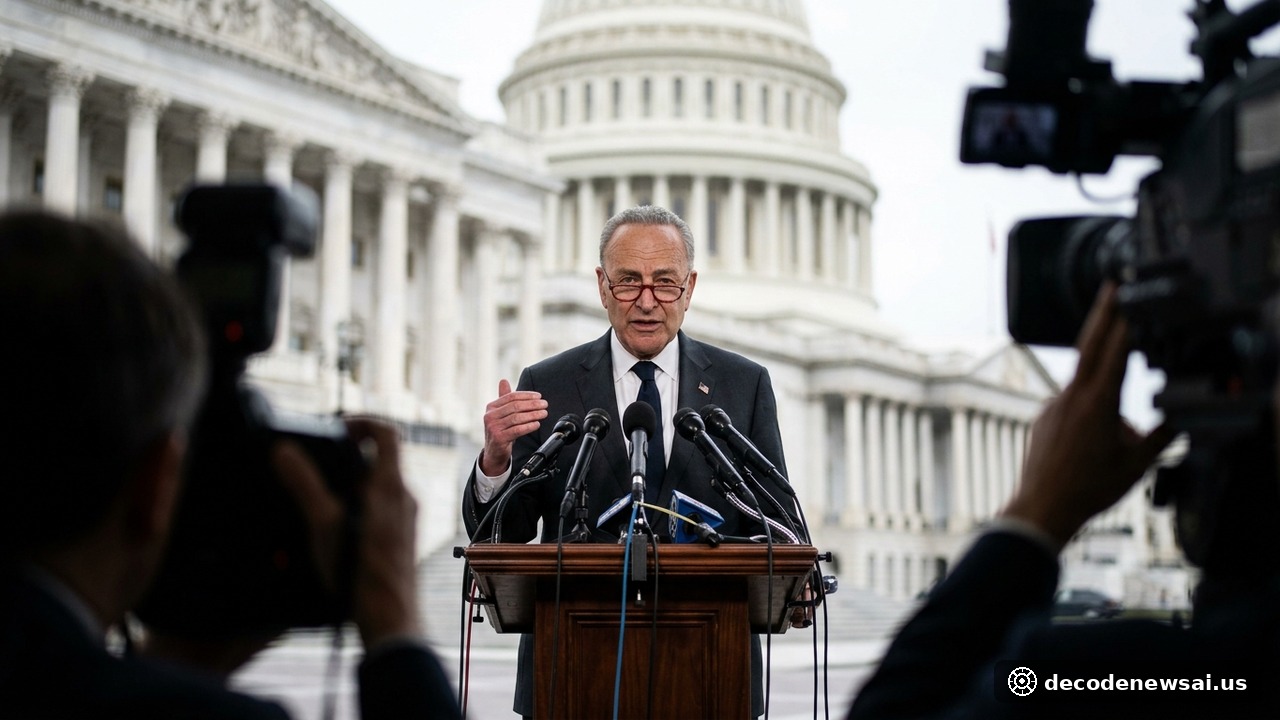
Senate Democratic Leader Chuck Schumer formally pledged on November 5, 2026, that his party will leverage its newly won Senate majority to systematically block President Donald Trump from appointing any "right-winger" to the United States Supreme Court or federal appellate benches over the next two years. Speaking in an exclusive interview with The Associated Press and addressing a Center for American Progress forum in Washington, Schumer asserted that the decisive midterm sweep gives Democrats unyielding constitutional confirmation leverage, raising the prospect of keeping high court vacancies open unless the White House puts forward consensus, moderate judicial nominees.
What Are the Key Political Metrics and Senate Composition Figures Under the Democratic Majority?
- Schumer's Stewardship of Senate Campaign Apparatus: Spanning 20 Years (Since Taking DSCC Helm in 2006)
- Democratic Campaign War Chest Poured into Michigan: $67 Million Invested in Key Battleground Victory
- Statutory Vote Threshold for Judicial Confirmation: Simple Majority (51 Votes Required for Lifetime Seat)
Schumer's declarative stance follows historic midterm outcomes that upended historical midterm precedents, delivering Democrats flipped Senate seats across Iowa, Ohio, Texas, and Maine. Speaking at the Center for American Progress Action Fund's "Results to Roadmap" post-election symposium, Schumer characterized the victory not as an ephemeral electoral swing, but as the fruition of a twenty-year structural organizing strategy. With the potential to command as many as 56 Senate seats once outstanding certification tallies conclude in Alaska and Mississippi, Senate Democrats are preparing to exercise absolute gatekeeping authority over executive branch appointments.
The Democratic leader explicitly recalled the legislative blockade engineered by former Senate Republican Leader Mitch McConnell in 2016, refusing to rule out holding open any sudden high court vacancy through the 2028 presidential cycle. Schumer stressed that the Democratic caucus will strictly reject partisan ideologues, requiring demonstrable judicial temperament and adherence to statutory precedent.
How Will Senate Democrats Deploy Procedural Powers to Restructure Federal Confirmations?
Under Article II, Section 2 of the United States Constitution, presidential appointments to lifetime judicial posts and executive cabinet offices require the binding advice and consent of the Senate. Schumer emphasized that the confirmation pipeline will be governed by rigorous scrutiny rather than executive deference.
When the newly elected 120th Congress convenes in January 2027, Democrats will assume majority control of the Senate Judiciary Committee, securing unilateral power to schedule nomination hearings, issue committee subpoenas, and table contentious nominees before floor consideration can occur. Any judicial nominee backed by ultra-conservative advocacy groups seeking to dismantle civil rights safeguards, environmental protection statutes, or labor collective bargaining protections will be halted at the committee threshold, compelling the executive branch to submit mainstream consensus jurists.
Constitutional scholars point out that the Senate's power over presidential judicial appointments represents the ultimate check on executive overreach. Throughout modern American political history, periods of divided government have systematically produced more moderate consensus appointments to the federal bench or resulted in prolonged seat vacancies. The incoming Democratic leadership intends to hold public confirmation hearings that thoroughly examine nominees' judicial philosophies, ensuring transparent debate regarding the balance of power between federal agencies and corporate entities.
Furthermore, Schumer's strategy addresses broader appellate court confirmations across federal circuit benches. By enforcing rigorous qualification standards for regional appellate judges, Democrats aim to protect voting rights access, environmental regulatory enforcement, and reproductive healthcare autonomy against regressive legal interpretations. The administration will face an organized legislative coalition determined to preserve constitutional checks and balances through rigorous oversight.
What Are the Far-Reaching Constitutional Implications for American Governance and Separation of Powers?
Schumer's aggressive posture crystallizes the onset of acute divided government in Washington, reinstating the federal judiciary as the definitive institutional battlefield between rival political branches.
For nearly a decade, the Supreme Court has operated under a 6-3 conservative supermajority, issuing landmark rulings that curtailed federal administrative deference and overhauled long-standing constitutional protections. By establishing an impermeable barrier against conservative judicial appointments across all federal district and circuit benches, the Democratic Senate majority effectively freezes conservative judicial expansion. This structural gridlock will force the White House to recalibrate its legal appointments, establishing a turbulent era of inter-branch constitutional negotiation.