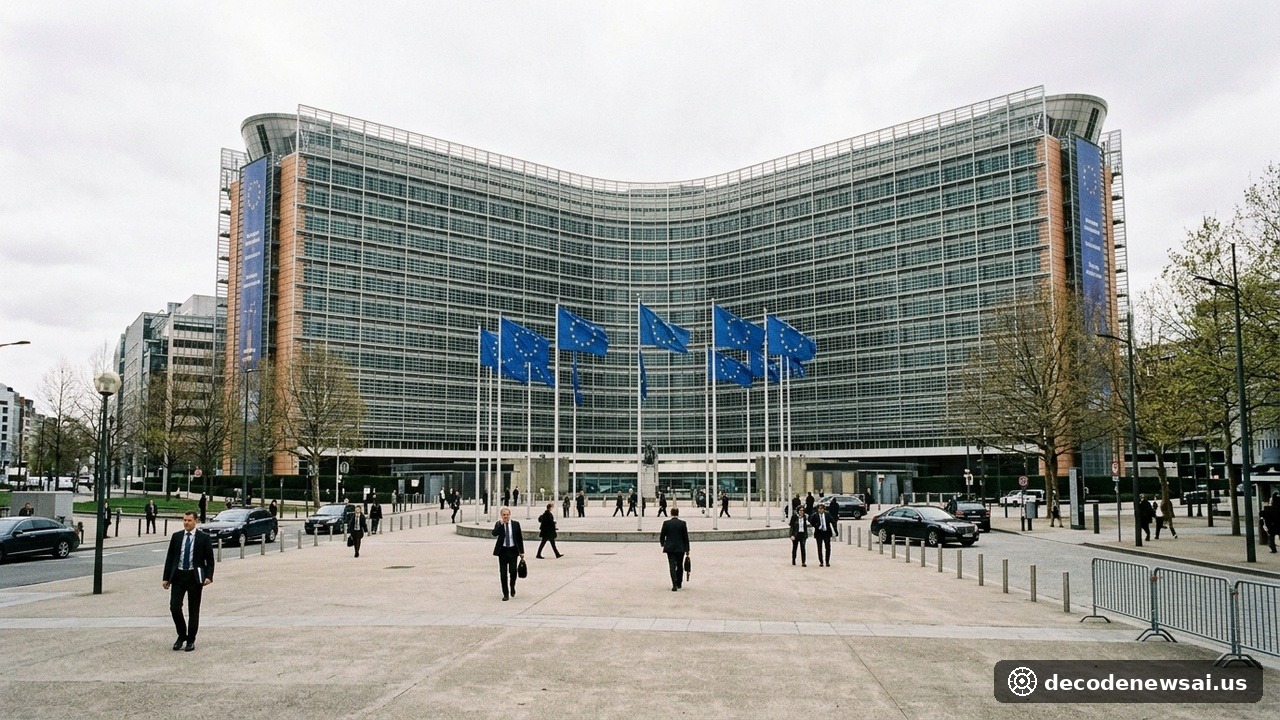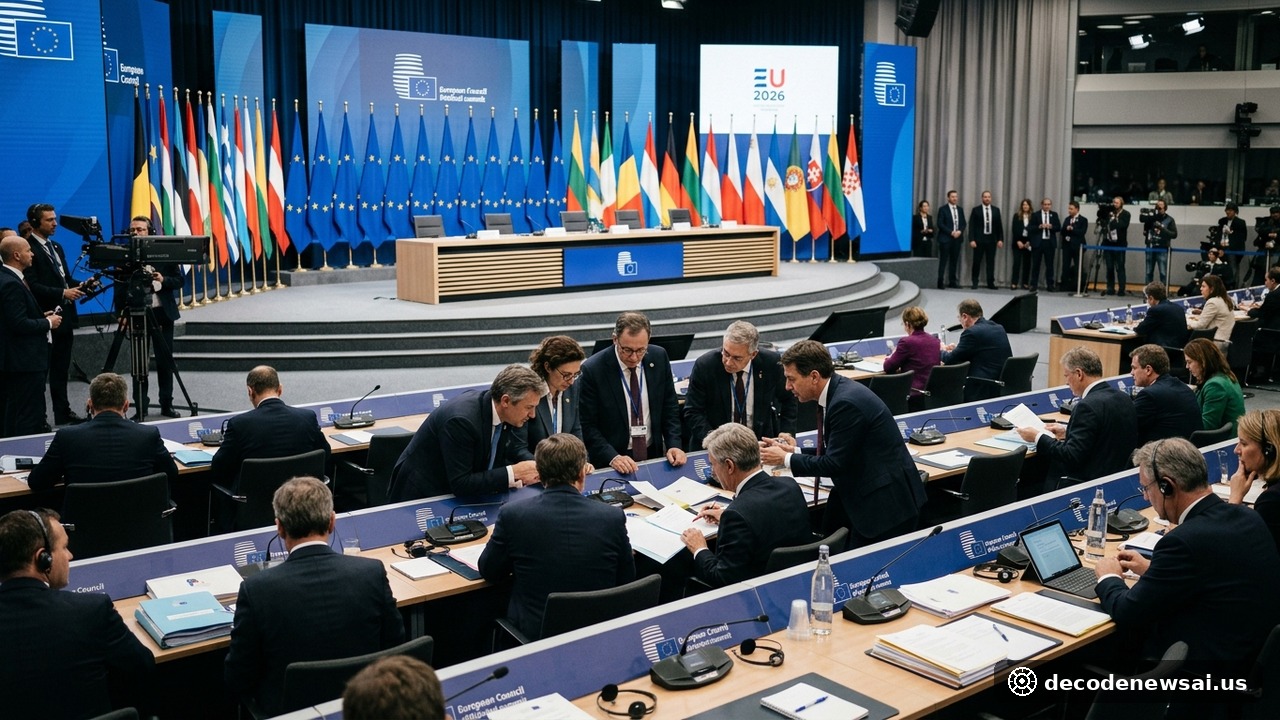
The European Commission formally adopted and released its 2026 Enlargement Package on November 4, 2026, delivering comprehensive strategic assessments across 10 candidate and potential candidate nations, with international diplomatic correspondents providing in-depth analysis on November 5 and 6. The report confirmed that Ukraine and Moldova are leading the accession trajectory alongside Western Balkan frontrunners Montenegro and Albania, having successfully met critical institutional benchmarks in judicial reform, public procurement transparency, and anti-corruption oversight. In contrast, the Commission formally verified that Georgia's accession process has been effectively halted due to deliberate democratic backsliding by the ruling Georgian Dream administration.
What Are the Key Quantitative and Strategic Metrics in the 2026 Enlargement Package?
- Launch Date of Ukraine & Moldova Formal Talks: June 2024 (Advancing Through Bilateral Screening)
- Current Operational Status of Georgia's Accession: De Facto Halted (Negotiations and Aid Frozen)
Presenting the annual package in Brussels, European Commission President Ursula von der Leyen characterized enlargement as an existential geopolitical investment in the European continent's long-term peace and democratic resilience. Despite sustaining relentless attacks on civilian energy infrastructure, Ukrainian institutions completed exhaustive legislative reforms strengthening the prosecutorial autonomy of the Specialized Anti-Corruption Prosecutor's Office (SAPO) and harmonizing financial auditing standards. Concurrently, Moldova capitalized on its constitutional referendum by accelerating grid integration with the European Network of Transmission System Operators for Electricity (ENTSO-E).
EU enlargement officials underscored that candidate progress remains anchored to the merit-based fundamentals cluster, meaning accession timelines reflect actual governance compliance rather than arbitrary political target dates.
Why Did the European Commission Formally Suspend Georgia's Accession Process?
In stark contrast to the momentum demonstrated by Kyiv and Chisinau, Georgia received the Commission's most severe institutional reprimand since receiving candidate status in late 2023.
How Will Institutional Expansion Toward 30+ Nations Reshape European Governance?
With Montenegro and Albania aiming to conclude preliminary negotiation chapters between 2027 and 2028, the European Union is navigating its most consequential enlargement wave in two decades.
However, expanding the bloc toward 30 or more sovereign members introduces profound decision-making challenges within existing treaty arrangements. Foreign ministers from France and Germany stressed on November 6 that external enlargement must proceed hand-in-hand with internal institutional overhauls. Key structural proposals include replacing the unanimity requirement with qualified majority voting (QMV) in foreign sanctions and common tax harmonization, alongside restructuring the multiannual financial framework to prevent common agricultural policy subsidies from overwhelming community treasuries. European leaders will convene at the December European Council summit in Brussels to formalize gradual integration mechanisms that grant candidate states phased access to the single market as individual technical chapters are certified.
Diplomatic analysts emphasized that the European Commission's strategic bifurcation between democratic reformers and authoritarian backsliders establishes a vital precedent for future enlargement diplomacy. By decoupling accession screening timelines across candidate states and linking financial disbursements directly to verifiable rule-of-law milestones, Brussels has effectively dismantled the perception that geopolitical vulnerability alone guarantees unconditional membership.
For Kyiv and Chisinau, maintaining domestic political consensus on grueling structural adjustments remains a monumental task amid ongoing hybrid warfare and critical energy shortages. Nonetheless, the formal endorsement of their accession velocity provides indispensable sovereign reassurance, demonstrating that their long-term institutional destiny is irrevocably anchored within the democratic European family.