The European Commission formally transferred €4.36 billion in emergency financial assistance to the Ukrainian government on November 5, 2026, under the European Union's overarching €90 billion Ukraine Support Loan facility. The disbursement constitutes the second of three scheduled payments in 2026, structured to assist Kyiv in navigating its fifth consecutive wartime winter by providing €3.7 billion in direct macro-financial budgetary support alongside a dedicated €658 million defense procurement allocation specifically earmarked for counter-drone electronic warfare, mobile radars, and air defense interceptors.
What Are the Key Breakdown and Financial Metrics of the €4.36 Billion Disbursement?
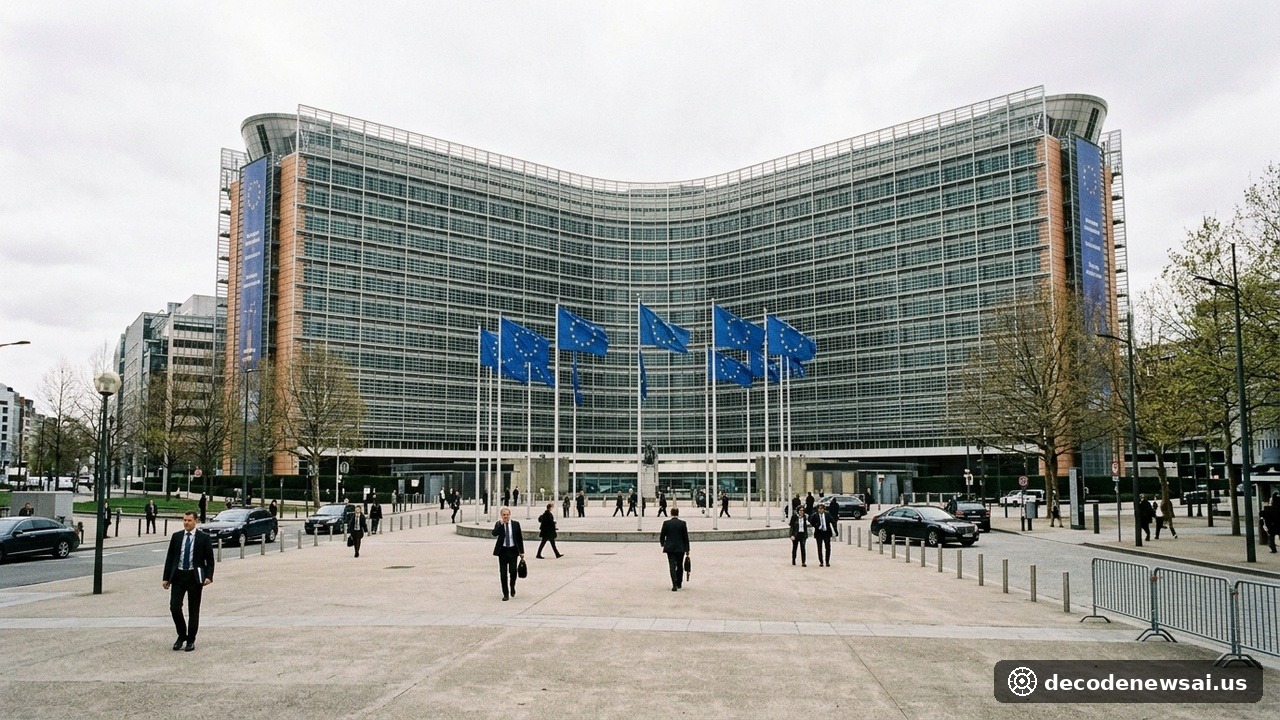
Announcing the release in Brussels, European Commission President Ursula von der Leyen highlighted that maintaining macroeconomic stability and shielding critical civic infrastructure remains an existential imperative as winter begins. Approval of the payment followed rigorous technical verification by EU auditors confirming that Ukraine had fulfilled all 12 agreed policy reform benchmarks, spanning public expenditure oversight, judicial transparency, anti-corruption prosecution autonomy, and corporate governance standards within state-owned energy utilities.
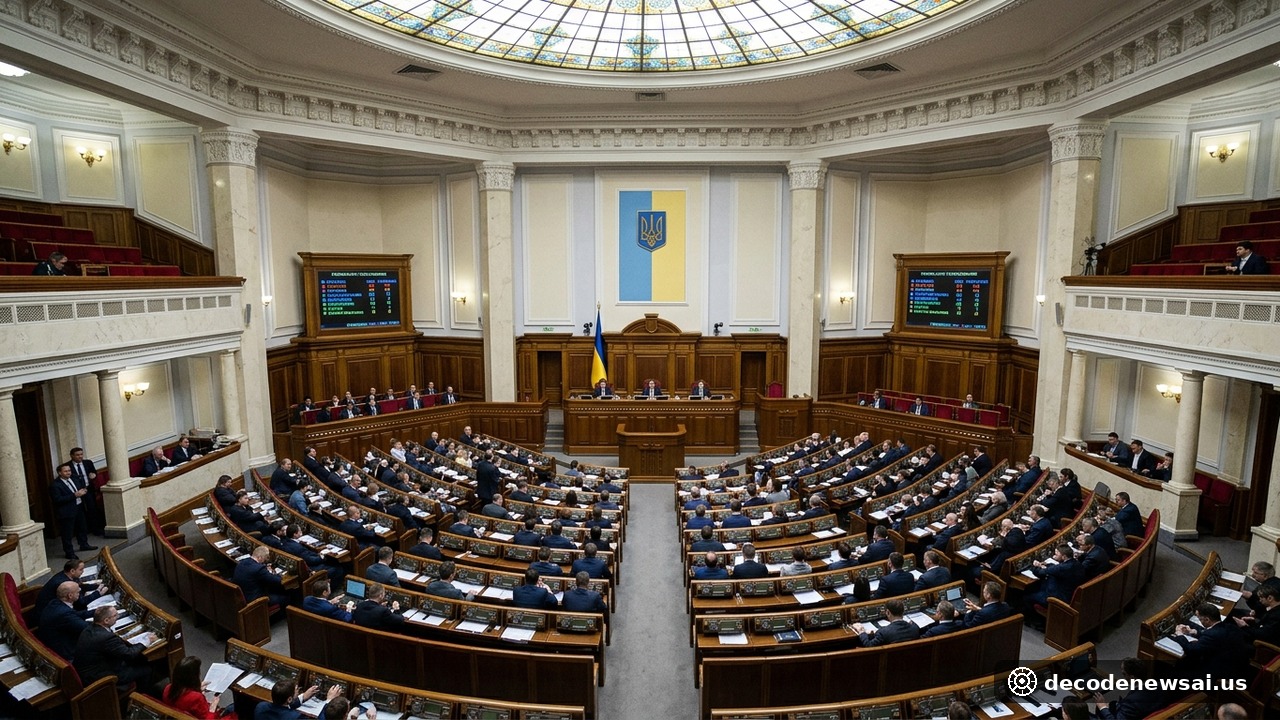
European officials emphasized that releasing the funds required strict adherence to structural conditionality despite intense wartime pressures. Independent monitoring missions confirmed that the Ukrainian parliament enacted comprehensive statutes safeguarding the operational independence of the Specialized Anti-Corruption Prosecutor's Office (SAPO) and implemented digital public procurement verification systems across central ministries. These structural adjustments were designated non-negotiable prerequisites to guarantee that European taxpayer contributions are managed with absolute fiscal integrity.
How Will the €658 Million Military Tranche Strengthen Ukraine's Energy and Air Defense?
Unlike prior macro-financial operations that strictly targeted treasury liquidity, this package incorporates an innovative €658 million military carve-out executed directly through Ukraine's Defense Procurement Agency.
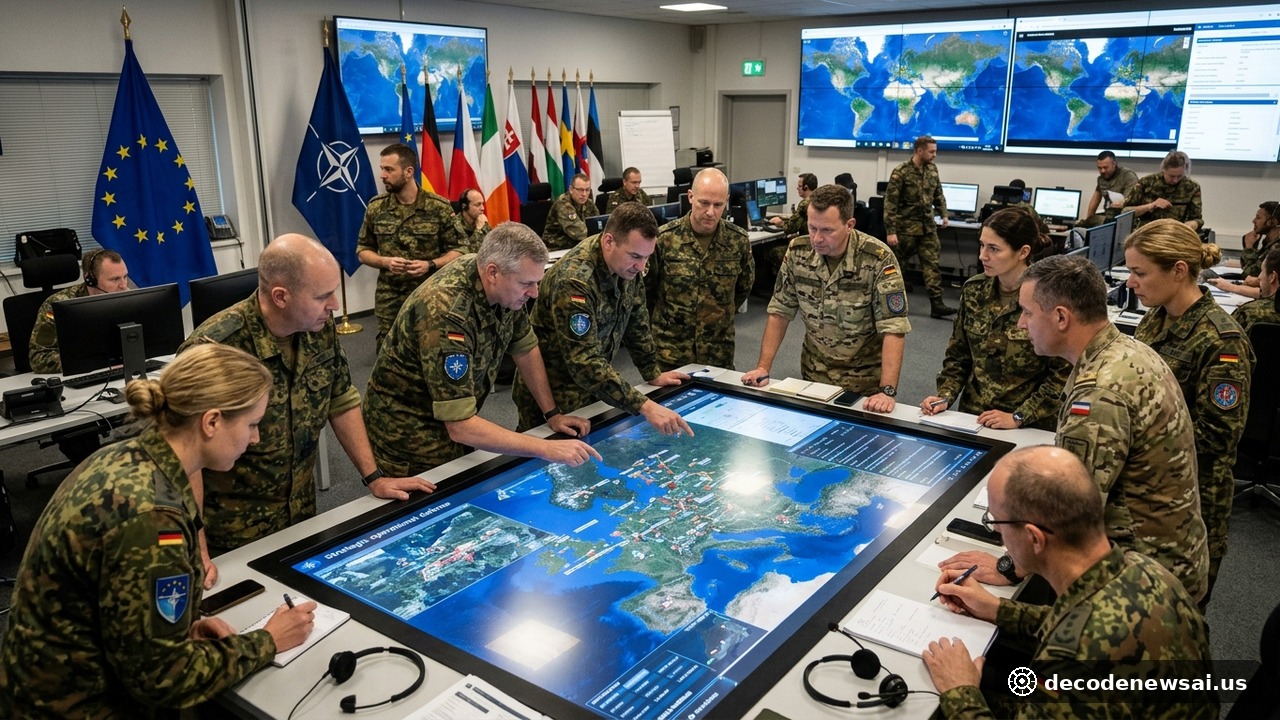
Ukrainian Prime Minister Denys Shmyhal confirmed that the dedicated military funding will finance urgent orders for short-range interceptor missiles, tactical surveillance drones, frequency-jamming electronic warfare installations, and mobile air-surveillance radars. The procurement priorities respond directly to escalating aerial assaults targeting civilian electrical transformers, transmission substations, and municipal heating facilities, institutionalizing a direct pipeline between European budgetary mechanisms and battlefield survivability.
Ukrainian defense planners will channel these resources into decentralized regional air defense units guarding high-voltage substations in Kyiv, Kharkiv, and Odesa. With winter temperatures plunging below freezing, maintaining electrical continuity prevents municipal water distribution networks and district heating pipes from suffering catastrophic freeze fractures. The rapid disbursement of defense capital allows local military commands to replenish missile stocks before seasonal cold snaps reach peak severity, safeguarding hospital complexes and municipal emergency response hubs.
How Will the Long-Term EU Financial Architecture for Ukraine Function Beyond 2026?
The current disbursement forms part of an €8.35 billion macro-financial assistance program scheduled across 2026, leaving one final payment scheduled for late December.
According to European Commission financial projections, approximately €25.2 billion in total EU support mechanisms remains available for Ukraine across the remainder of 2026. European Union heads of state are preparing to convene in Brussels during the December European Council summit to finalize the legal and technical architecture that leverages windfall interest profits generated by frozen Russian Central Bank sovereign assets to service the multi-year loan portfolio, guaranteeing sustainable capital flows for Ukraine's eventual postwar reconstruction and integration into the European single market.
By anchoring debt service obligations to immobilized Russian sovereign reserves held in European clearing houses such as Euroclear, Brussels aims to shield member state national budgets from open-ended fiscal exposures. The initiative reinforces long-term economic predictability for the Ukrainian state, establishing a transparent multilateral framework that coordinates reconstruction grants, defense financing, and European Union pre-accession harmonization benchmarks through 2030 and beyond. European integration ministers noted that institutional compliance achieved under the loan framework accelerates Ukraine's formal alignment with EU internal market legislation, cementing irreversible ties between Kyiv and the European community.