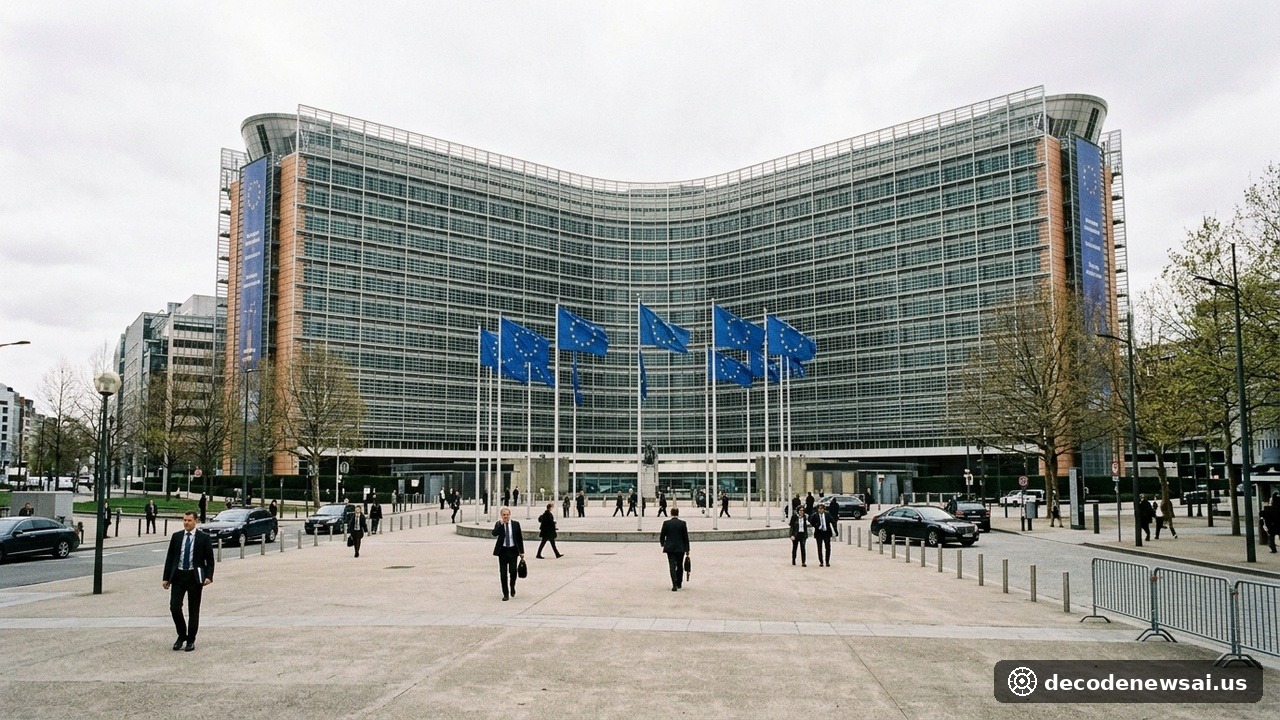
The Council of the European Union adopted a formal common security decision in Brussels on November 10, 2026, extending the mandate of the European Union Military Assistance Mission in support of Ukraine (EUMAM Ukraine) for an additional two years until November 15, 2028. The Council concurrently allocated a dedicated operational budget of €409 million to sustain multinational training programs and tactical coordination across member states.
Extending EUMAM Ukraine Mandate to November 2028 with €409 Million Allocation
The decision highlights Brussels's enduring institutional commitment to collective Euro-Atlantic defense partnerships and long-term security cooperation. Financing for the mission extension will be provided through the European Peace Facility (EPF), ensuring uninterrupted administrative and logistical operations for multinational training headquarters established in Poland and Germany.
Since its launch, EUMAM Ukraine has trained over 62,000 Ukrainian service members across diverse operational specializations. Over the next two years, the mission will transition from fundamental infantry doctrine toward advanced tactical disciplines, including combined arms battalion maneuver, drone defense networks, and combat medical evacuation.
The High Representative of the European Union for Foreign Affairs and Security Policy remarked in Brussels: "Extending the mandate of our military assistance mission underscores Europe's firm resolve to uphold the rules-based international order. Building sustainable defense capability is essential for preserving Ukrainian sovereignty and securing lasting stability across the continent."
Coordinating Twenty-Four European Military Training Contingents for Modern Warfare
In response to rapid changes in battlefield technology, EUMAM Ukraine's training curriculum is undergoing rigorous modernization. Training modules will prioritize electronic warfare countermeasures, secure encrypted communication interoperability, and frontline drone intercept tactics.
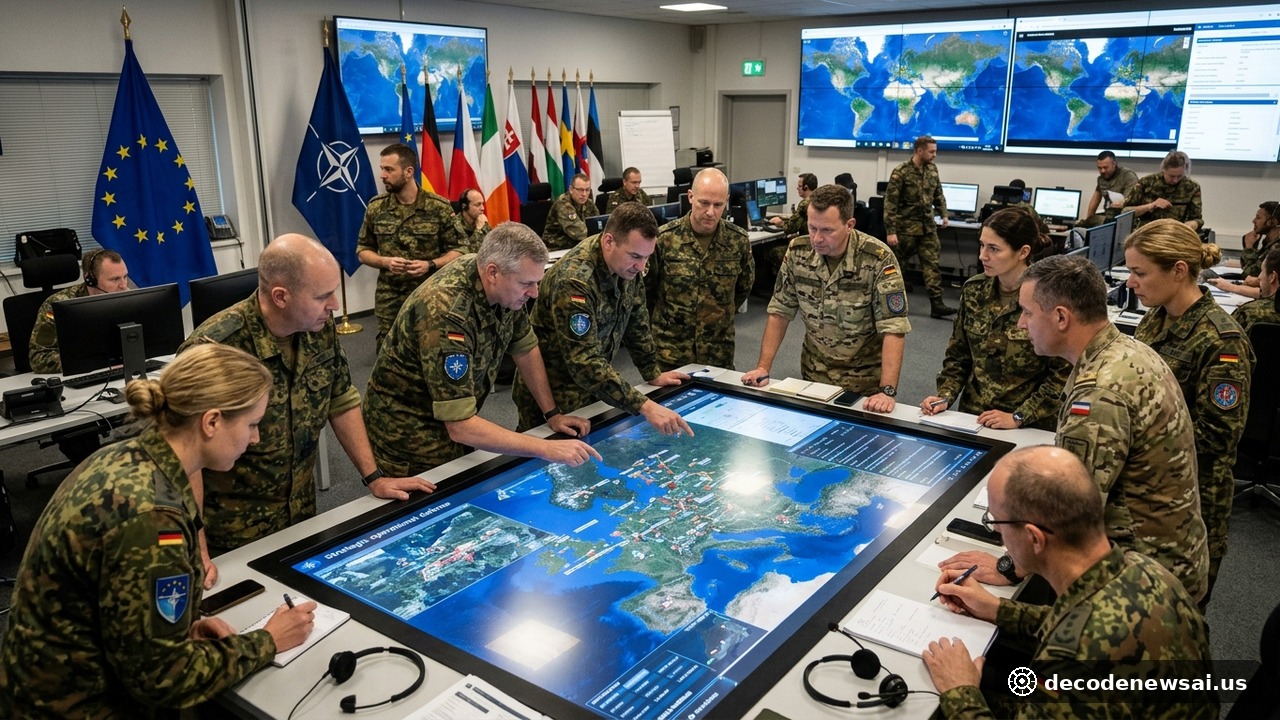
Military instructors from 24 European Union member states are actively integrating real-time combat telemetry and tactical field data into simulated training environments. Specialized training ranges now feature simulated GPS-denied environments where soldiers practice defensive tactics against first-person-view suicide drones and coordinated mechanized armored thrusts.
The Commander of the German Armed Forces Training Command stated during a press briefing in Cologne: "We are tailoring our training programs directly to match the high-technology reality of contemporary warfare. The continuous tactical feedback loop between allied instructors and Ukrainian personnel establishes a new benchmark for European defense training."
Strengthening European Defense Industrial Cooperation and Post-War Security Architecture
Beyond specialized troop instruction, the mission serves as a critical coordination conduit between European defense industrial manufacturers and Ukrainian operational commands. Forward maintenance facilities established near European borders will ensure rapid depot-level repairs for Western artillery, infantry fighting vehicles, and air defense batteries.
EU defense planners underscored that embedding Ukrainian forces into standardized European operational frameworks helps build a resilient defense ecosystem. Sustained multi-year security cooperation provides concrete deterrence against future military miscalculations, creating the operational foundation for Europe's future collective security architecture.
A senior defense analyst at the Centre for European Policy Studies in Brussels noted that institutionalizing multinational military training signals long-term strategic alignment among European allies, reinforcing regional stability through structured, verifiable commitments.
Strategic planning advisors and international trade specialists noted that long-term intergovernmental frameworks generate predictable operating environments across key industry sectors. By coupling transparent administrative guidelines with rigorous scientific benchmarks, regulatory bodies and enterprise leaders establish sustainable operating models capable of withstanding shifting macroeconomic dynamics. Global market participants will continue observing forthcoming implementation milestones as public agencies execute their mandated responsibilities throughout 2027. Cross-border coordination remains vital for driving sustained operational resilience and delivering measurable societal benefits worldwide.
Strategic planning advisors and international trade specialists noted that long-term intergovernmental frameworks generate predictable operating environments across key industry sectors. By coupling transparent administrative guidelines with rigorous scientific benchmarks, regulatory bodies and enterprise leaders establish sustainable operating models capable of withstanding shifting macroeconomic dynamics. Global market participants will continue observing forthcoming implementation milestones as public agencies execute their mandated responsibilities throughout 2027. Cross-border coordination remains vital for driving sustained operational resilience and delivering measurable societal benefits worldwide.