What Are the Core Parliamentary Metrics and Quantifiable Provisions of the Mecca Agreement?
- Signatory Sovereign States in Coalition: 3 Nations (Turkey, Saudi Arabia, Pakistan)
- Statutory Duration of Initial Framework: 5 Years (Renewable by Mutual Consent)
- Priority Defense Technology Sectors: Counter-UAV, Radar Avionics, and Secure Comms
The Chairman of the Turkish Parliamentary National Defense Commission underscored in post-vote remarks that the Mecca Agreement represents far more than a conventional non-aggression declaration, functioning instead as a structured defense-industrial co-development treaty. While Saudi Arabia contributes immense sovereign financial capitalization and Pakistan provides seasoned military operational depth and doctrine, Turkey brings advanced defense technology manufacturing capabilities across unmanned aerial combat systems, precision-guided munitions, and sensor suites.
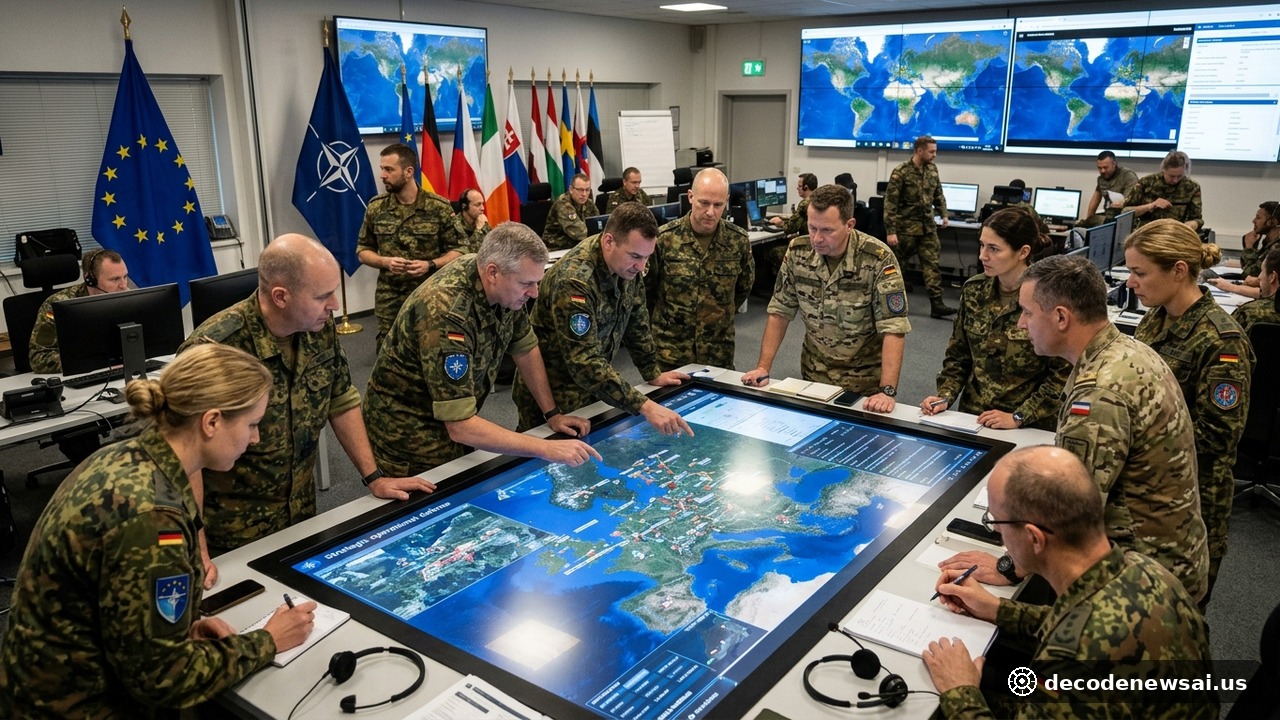
The ratified statute delineates clear administrative structures for joint procurement and production. Defense planners from Ankara, Riyadh, and Islamabad will establish standardized interoperability protocols, facilitating reciprocal access to airbases, maintenance facilities, and naval harbors during regional humanitarian, search-and-rescue, or peace enforcement operations.
How Did Opposition Lawmakers Challenge the Treaty and How Did the Government Respond?
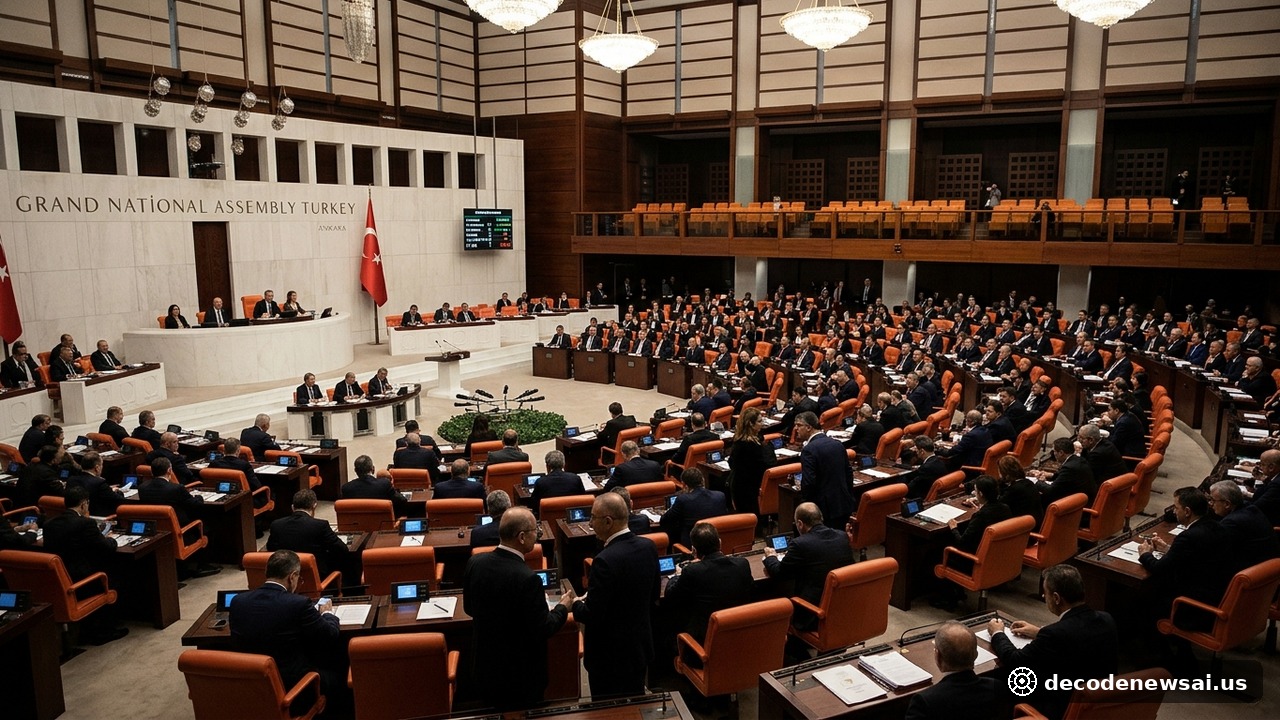
During contentious floor deliberations, representatives from the main opposition Republican People's Party raised pointed concerns regarding potential strategic overextension. Opposition legislators argued that committing Turkey to a multilateral Gulf security compact could inadvertently entangle Turkish armed forces in asymmetric Middle Eastern conflicts, demanding full parliamentary declassification of attached confidential protocols.
Turkish foreign ministry and military leadership vigorously defended the treaty, emphasizing that all operational activations strictly adhere to Article 51 of the United Nations Charter regarding collective self-defense. Government spokespersons clarified that joint operational deployments require unanimous written authorization from the national security councils of all three sovereign signatories, guaranteeing that no member state can be unilaterally committed to kinetic missions without sovereign assent.
Military analysts observe that the trilateral pact bridges distinct defense doctrines across three critical geopolitical theaters. Turkey's domestic aerospace and drone industry, which has expanded exponentially over the past decade, secures long-term capital backing and guaranteed export deployment across Gulf and South Asian markets. For Saudi Arabia, the agreement diversifies its defense procurement architecture beyond traditional American and European suppliers, accelerating localized weapons assembly in line with the kingdom's Vision 2030 industrial transformation objectives.
Meanwhile, Pakistan's participation provides proven operational doctrine, joint training curricula, and extensive counter-insurgency combat expertise. The joint defense pact specifically outlines protocols for interoperable satellite data feeds, coordinated border surveillance radars, and shared naval patrol routines protecting commercial shipping lanes in the Gulf of Oman and the Red Sea. Lawmakers from Turkey's ruling majority maintained that establishing institutionalized deterrence mechanisms is paramount to insulating regional energy infrastructure from non-state militant incursions and unexpected maritime blockades.
What Are the Far-Reaching Geopolitical Repercussions for South Asia and the Middle East?
The formal enactment of the Mecca Joint Defense Agreement accelerates an epochal shift in Eurasian and Middle Eastern security architecture, moving the regional balance of power away from bilateral reliance on external superpowers toward strategic regional multipolarity.
Over the coming six months, a permanent tripartite Joint Planning and Coordination Secretariat will be established in Riyadh to coordinate synchronized tabletop exercises, unified logistics catalogs, and cyber defense drills. By combining Turkish defense-industrial autonomy, Pakistani strategic capabilities, and Saudi energy and capital markets, the three nations are forging an autonomous regional security bloc designed to deter regional proxy insurgencies, stabilize vital maritime energy lanes across the Red Sea and Arabian Gulf, and protect national sovereignty amid escalating global geopolitical friction.