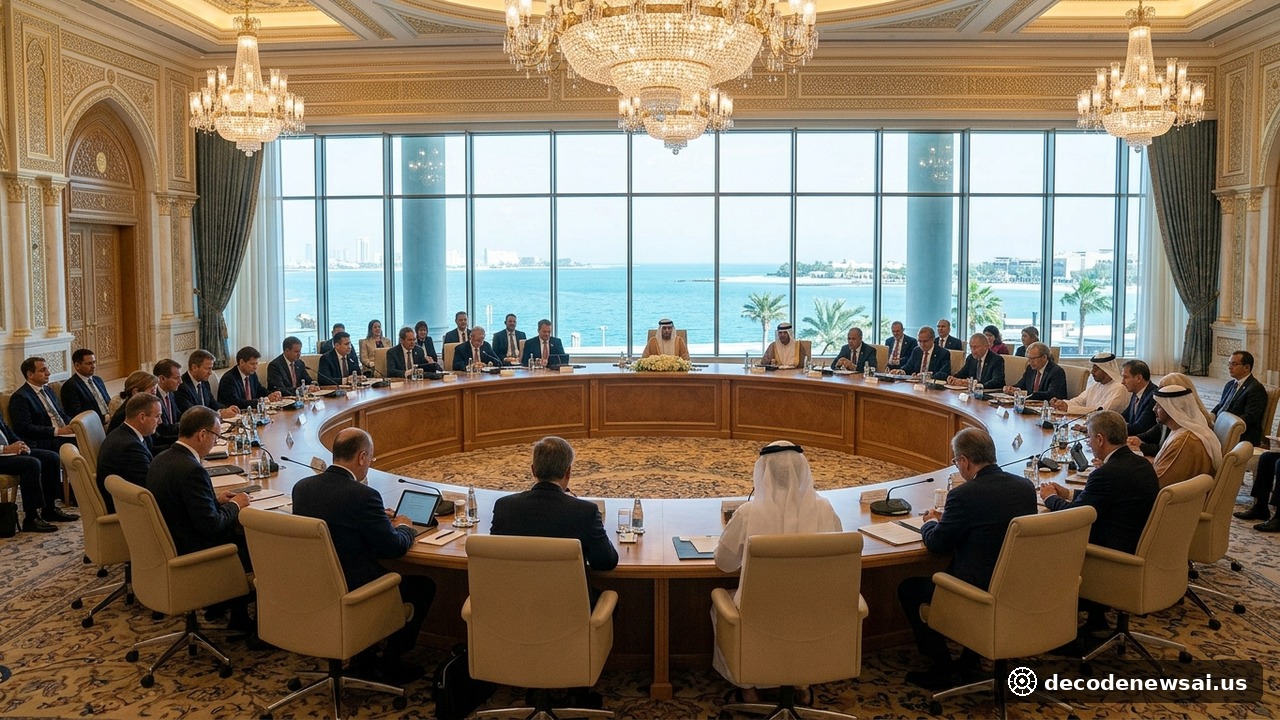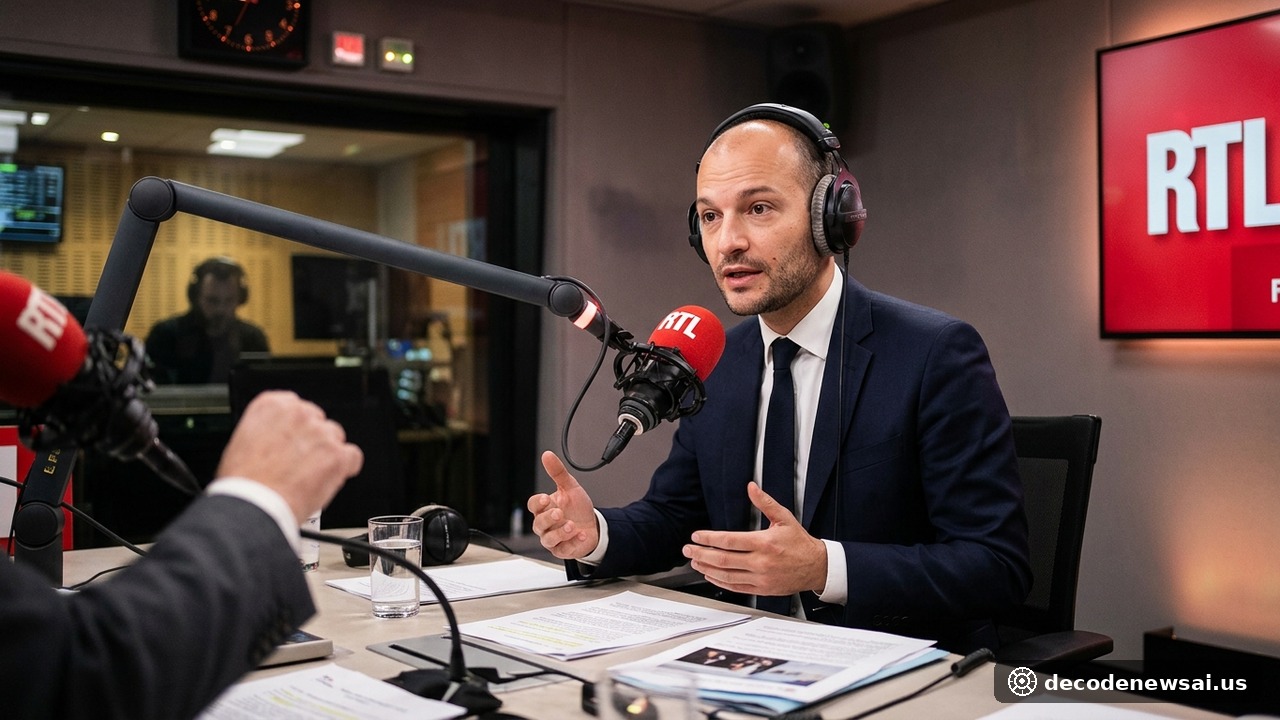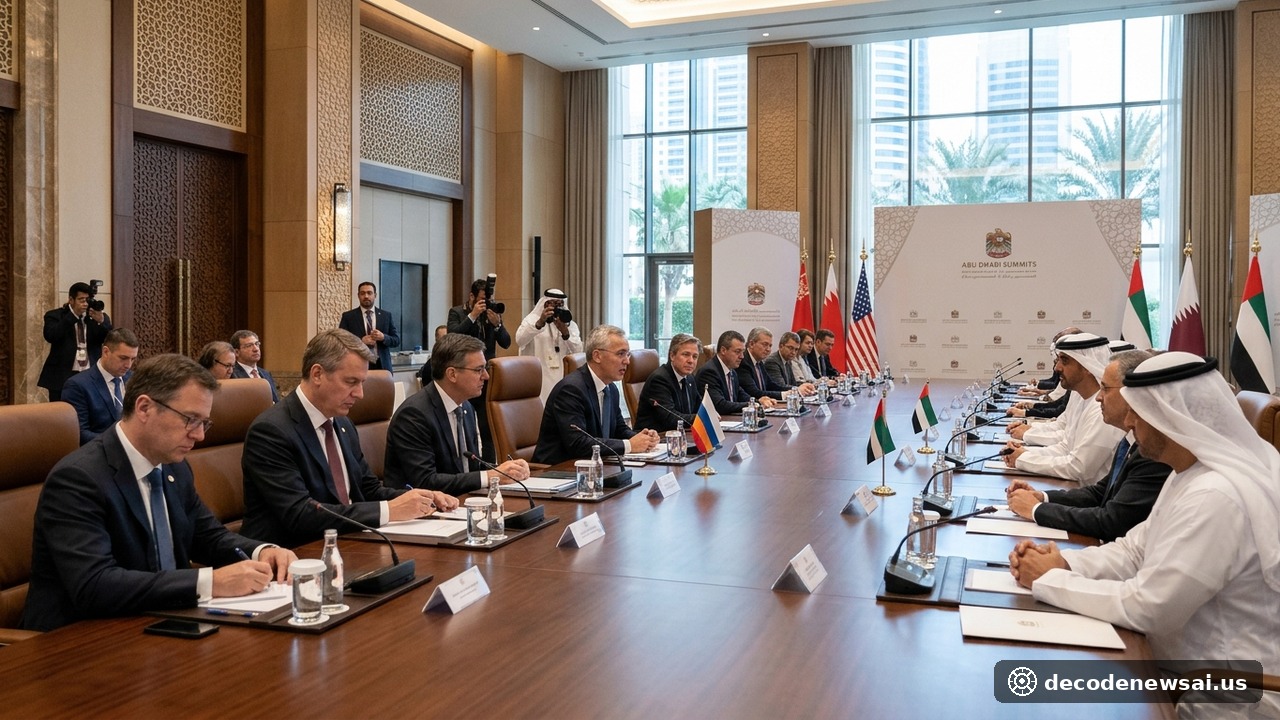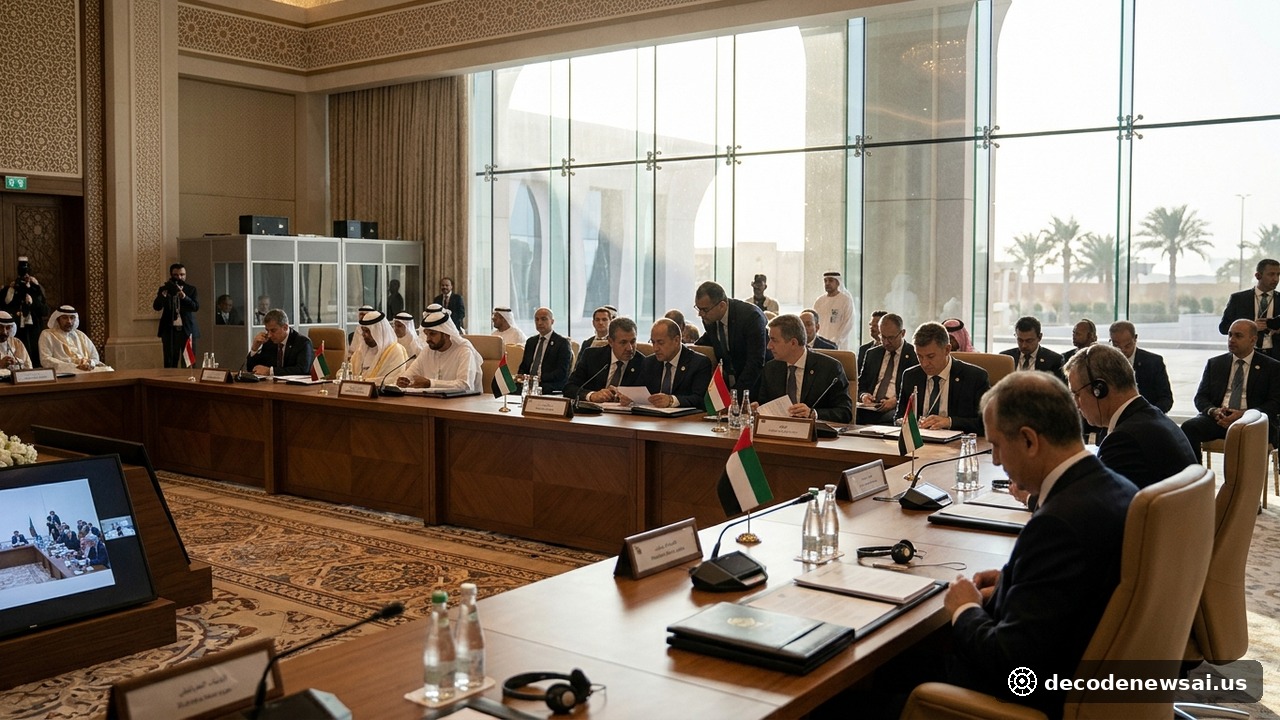
Ukrainian and Russian diplomatic officials formally announced on November 7, 2026, that senior delegates from Moscow, Kyiv, and Washington will convene in Abu Dhabi on November 10–11 for direct trilateral security consultations. Official rosters confirmed that Russian presidential aide Vladimir Medinsky will lead Moscow's negotiating team, while Ukraine's defense and security delegation is headed by chief negotiator Rustem Umerov under mediation by senior United States national security envoys. The high-stakes summit aims to negotiate mutual moratoria on critical energy infrastructure strikes, formalize localized humanitarian corridors, and reinforce maritime shipping protections, marking the most substantive multilateral diplomatic opening of the protracted conflict as winter approaches.
Core Diplomatic Mandates and Frontline Conditions of the Abu Dhabi Talks
- Head of Russian Diplomatic Delegation: Presidential Aide Vladimir Medinsky
- Head of Ukrainian Negotiating Mission: Chief Defense Negotiator Rustem Umerov
- Mediation Framework & Primary Priorities: US-Brokered talks on Energy Grid Ceasefire
Why Did the Parties Select the United Arab Emirates for Re-engagement?
With the onset of severe winter freezing operations across the eastern and southern fronts, both combatants face structural operational realities. Ukraine confronts acute grid vulnerabilities and depleted interceptor stockpiles following waves of saturation missile attacks, while the Kremlin contends with prolonged macroeconomic sanctions and heavy munitions consumption.
Abu Dhabi emerged as an acceptable diplomatic conduit due to the United Arab Emirates' established record mediating high-profile prisoner exchanges and civilian repatriations. Ukrainian President Volodymyr Zelensky confirmed that Kyiv's primary objective is establishing binding, verifiable international guarantees prohibiting strikes on civil energy grids and nuclear power infrastructure. Concurrently, Kremlin spokespersons noted that Medinsky holds executive authorization from President Vladimir Putin to present Moscow's prerequisite terms regarding territorial demarcation lines and regional security arrangements.
How Do Escalating Ballistic Strikes Influence Pre-Talk Posturing?
Despite intense diplomatic preparations in the Gulf, combat operations along the Dnipro basin escalated sharply. Tactical monitoring by the Institute for the Study of War established that hours before the summit announcement, Russian forces fired 36 ballistic missiles alongside dozens of loitering munitions at Kyiv, damaging the vital Northern Bridge and inflicting civilian casualties across transport arteries.
The Ukrainian Ministry of Energy confirmed that the barrage knocked out regional transmission substations across five oblasts, triggering rolling power outages. Military strategists observe that this surge in deep strike operations represents coercive posturing. Moscow seeks to enter the Abu Dhabi consultations with maximal tactical leverage, attempting to exploit grid destruction to extract territorial concessions. In response, Ukrainian defense units executed long-range drone counterstrikes against missile assembly plants in Russia's Bryansk region, demonstrating continued resistance to coercive military pressure.
What Are the Strategic Implications for Transatlantic Security Architecture?
Security analysts writing for The Kyiv Independent and The Washington Post emphasize that while the two-day summit will not resolve deep-seated territorial disputes, establishing verified operational communications offers immediate stabilization value.
Diplomatic experts anticipate that initial breakthroughs will focus on technical protocols, specifically demilitarized air corridors around major thermal plants and regulated agricultural maritime routes. While US mediators maintain that any diplomatic outcome must safeguard Ukraine's long-term sovereign independence, navigating Western legislative aid fatigue while sustaining effective defensive deterrence presents an extraordinary diplomatic challenge for transatlantic leadership. International observers emphasize that establishing durable security guarantees and verified monitoring mechanisms will remain the paramount prerequisite for translating preliminary diplomatic contacts into a viable ceasefire framework.