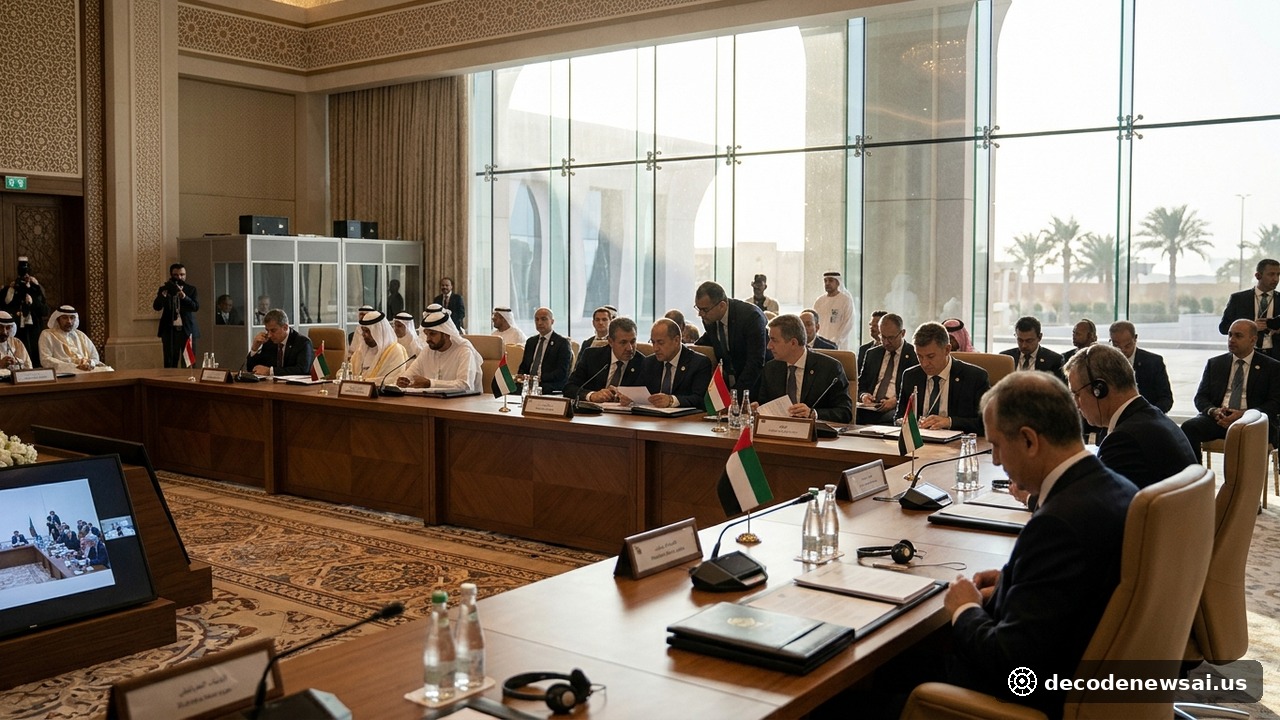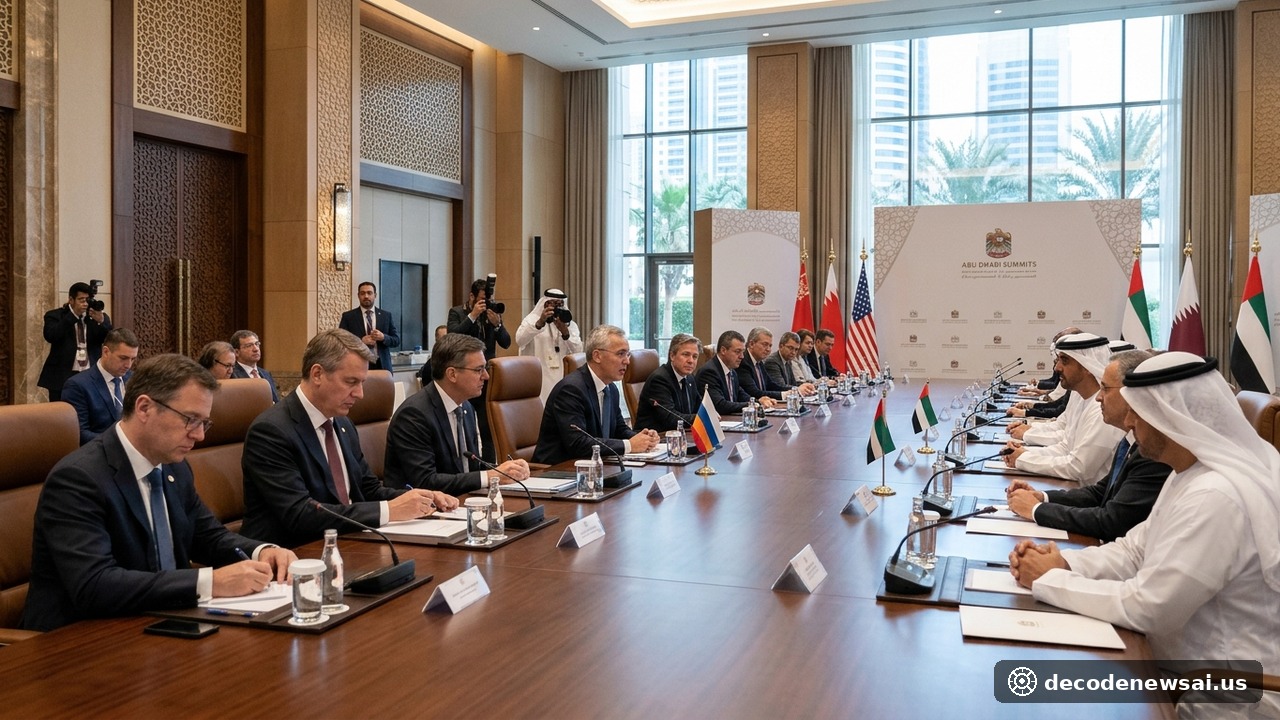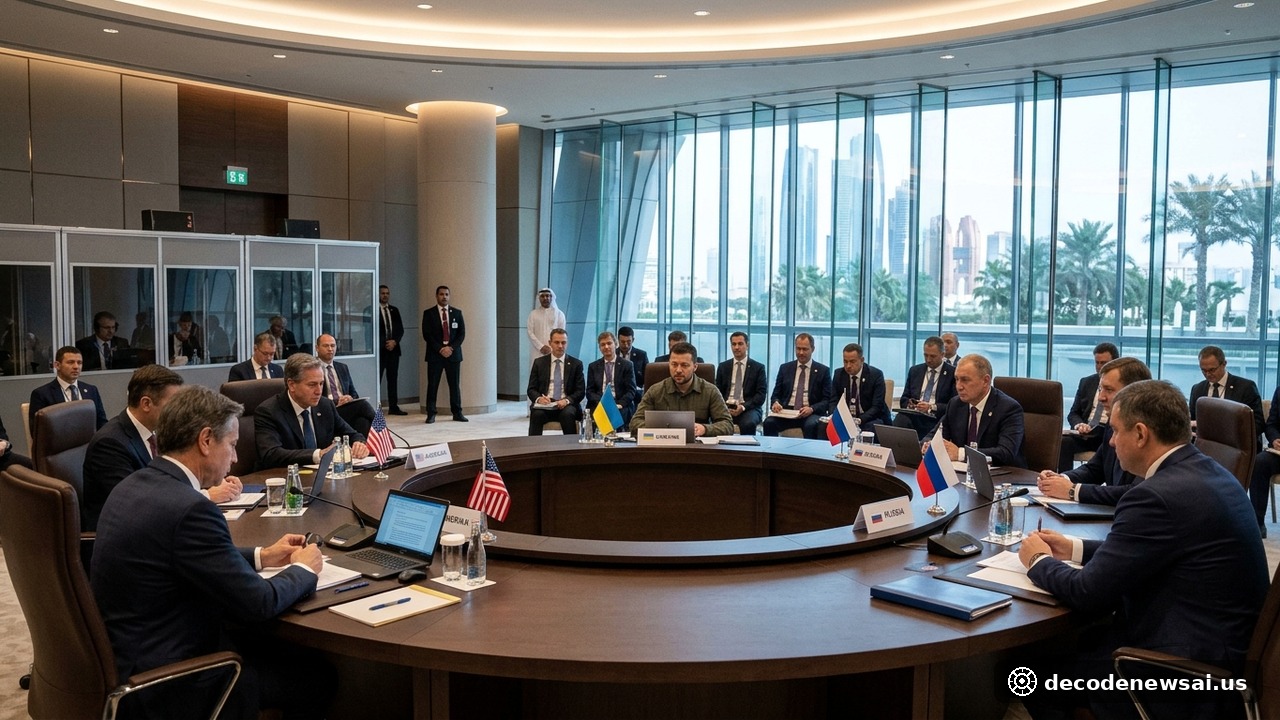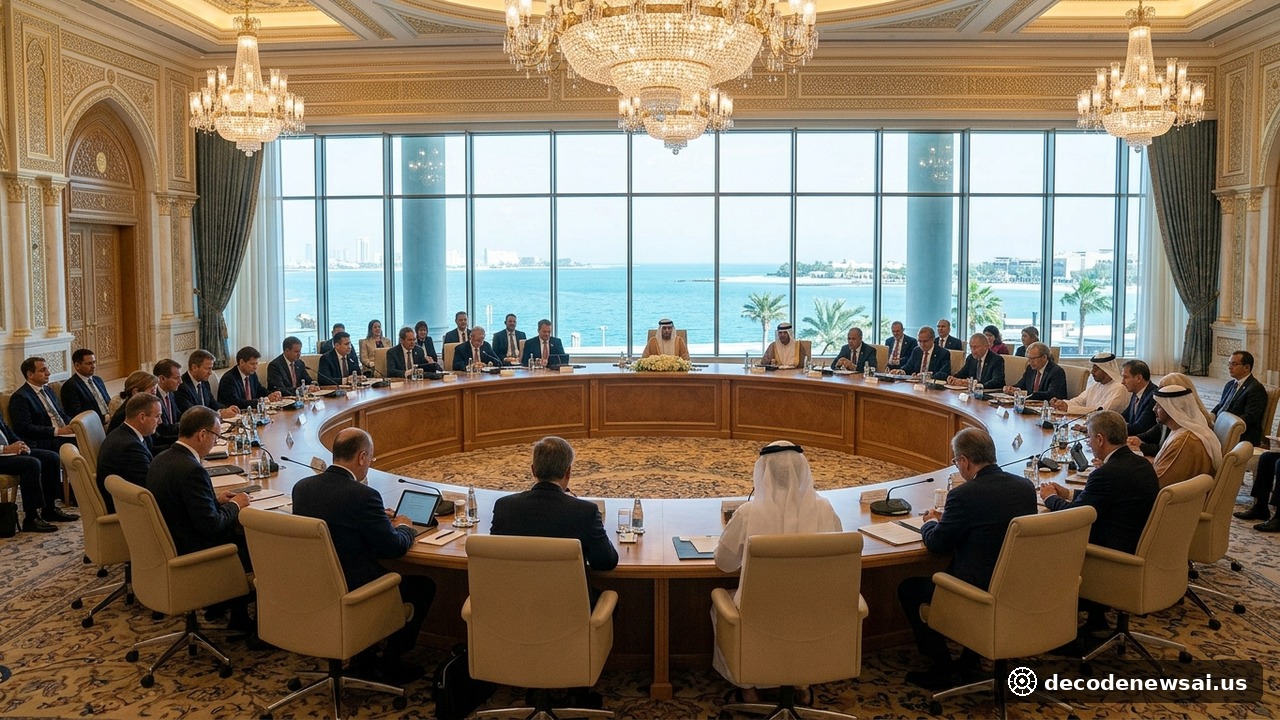
ABU DHABI - Senior American diplomatic envoys Jared Kushner and Steve Witkoff opened intense bilateral consultations in Abu Dhabi on Monday, November 9, convening preparatory meetings ahead of a high-stakes trilateral summit scheduled to convene on Tuesday. Negotiators representing the United States, Ukraine, and the Russian Federation gathered in the United Arab Emirates to discuss framework parameters for halting active military hostilities along the Eastern European front line.
Kushner outlines four priorities and meets Ukrainian advisers
Kushner outlined four foundational priorities for the Abu Dhabi peace initiative in a public statement on Monday morning. The diplomatic roadmap prioritizes establishing a durable cessation of armed hostilities, multilateral security guarantees to prevent conflict resumption, coordinated international funding for Ukraine's post-war reconstruction, and immediate humanitarian distribution safe passages across affected civilian zones. Technical delegations worked through Monday night to align preliminary negotiation agendas.
Prior to formal plenary engagements with Russian officials, the American delegation held closed-door discussions with Ukrainian defense and intelligence advisers. Ukrainian representatives reaffirmed that national territorial sovereignty and binding defensive agreements remain baseline prerequisites for any enforceable treaty. American envoys evaluated reciprocal confidence-building proposals, including structured prisoner releases and localized disengagement boundaries.
Kushner addressed diplomatic correspondents at a pre-summit press conference: "We hope these discussions will identify areas of common ground, advance practical solutions, and build momentum toward the next phase of negotiations." European security coordinators expressed guarded optimism regarding the renewed engagement.
European advisers and Lavrov set terms as skirmishes continue
Senior European security advisers from Germany, France, and Britain arrived in Abu Dhabi alongside European Commission and NATO representatives. European leaders emphasized that any lasting settlement must incorporate robust defensive covenants protecting regional stability across the Black Sea basin. European Commission President Ursula von der Leyen consulted with Ukrainian President Volodymyr Zelenskyy on Monday to harmonize negotiation positions.
Russian Foreign Minister Sergey Lavrov indicated from Moscow that the Russian delegation will focus on comprehensive Eurasian security treaties. Russian envoys led by ministerial leadership arrived with mandate documentation addressing neutral state status definitions. Frontline military reports indicated that localized skirmishes continued as diplomatic teams initiated preliminary working sessions in the Gulf.
International geopolitical strategists noted that achieving diplomatic consensus requires substantive mutual compromises between belligerent parties. Coordinated mediation backed by regional partners provides a structured platform for verifying troop withdrawals and establishing durable civilian protection protocols across disputed territories.
Analysts call trilateral talks a pivotal diplomatic juncture
Senior international security researchers in Washington and London observed that formal trilateral discussions between American, Ukrainian, and Russian delegations mark a pivotal tactical juncture. Establishing verifiable humanitarian distribution corridors across active battlefronts provides immediate relief for civilian populations while opening structured diplomatic channels. Diplomatic coordinators from the European Union and NATO underscored that comprehensive security guarantees remain non-negotiable prerequisites for lasting regional stability. Multilateral mediation hosted in the United Arab Emirates demonstrates the growing strategic utility of neutral Gulf diplomacy in facilitating complex international conflict resolution negotiations.
International diplomatic observers in Geneva and Vienna affirmed that high-stakes trilateral mediation provides crucial momentum for regional stabilization across Eastern Europe. Global security analysts noted that establishing enforceable humanitarian ceasefire protocols protects vulnerable civilian populations while maintaining open diplomatic communication channels. Multilateral security delegations emphasized that long-term peace frameworks must balance sovereign territorial security with binding defensive commitments to foster enduring economic recovery. Regional defense ministers and international humanitarian coordinators noted that structured peace negotiations reduce escalation risks across the Black Sea. Maintaining open bilateral dialogue channels ensures that commercial maritime routes and agricultural transit corridors remain protected during ongoing diplomatic engagements. Multilateral diplomatic leaders reaffirmed that sustained dialogue between international partners preserves stability across global shipping corridors and fosters enduring geopolitical security. Diplomatic delegations emphasized that collaborative multilateral efforts will remain essential to achieving durable regional security and sustainable economic cooperation.