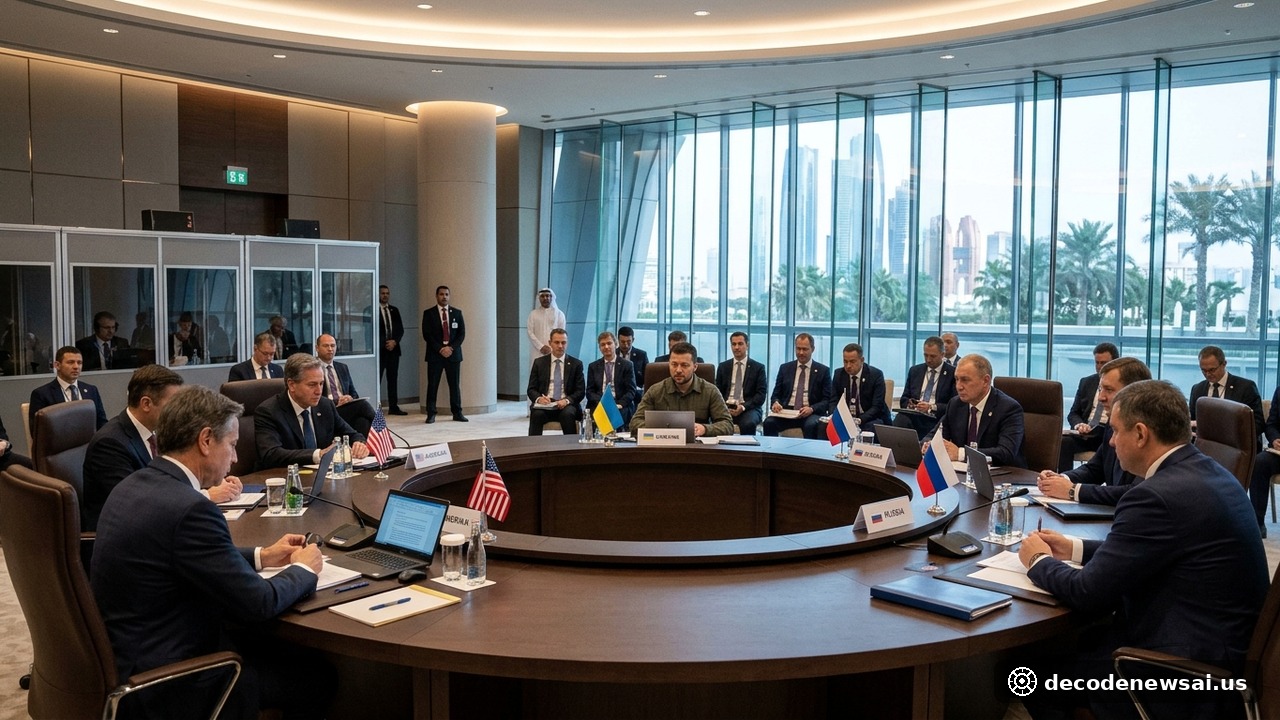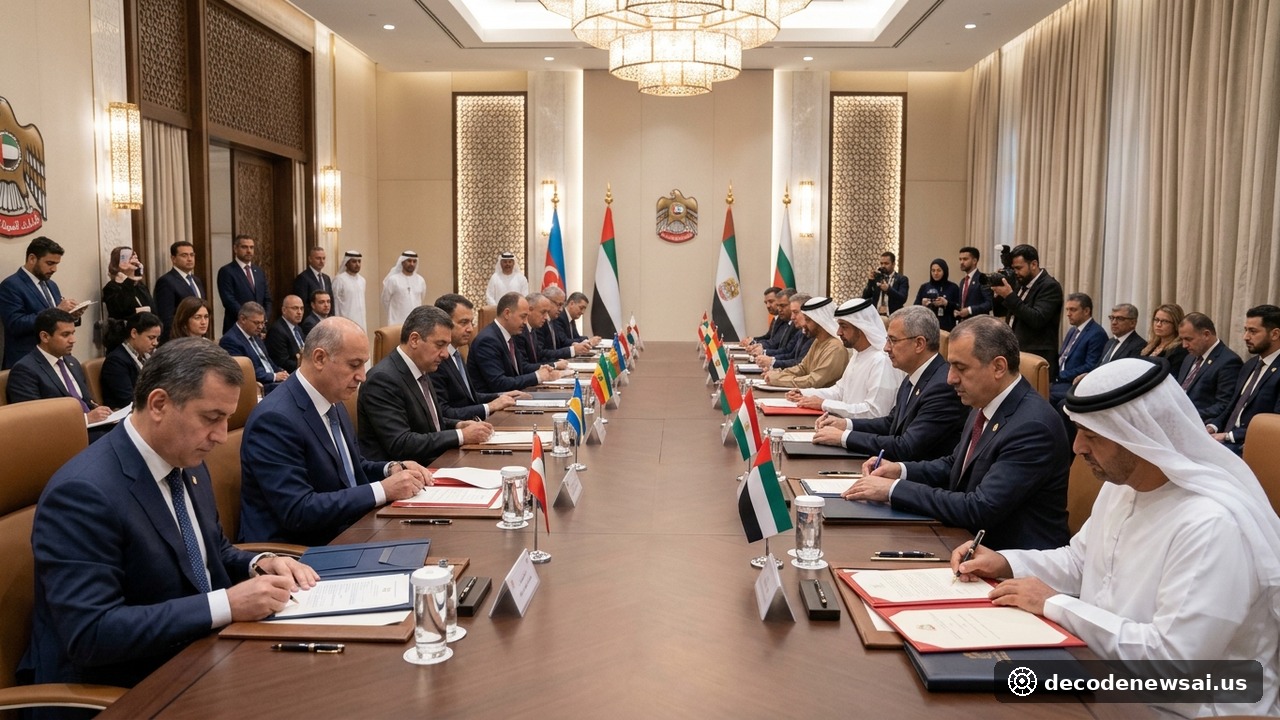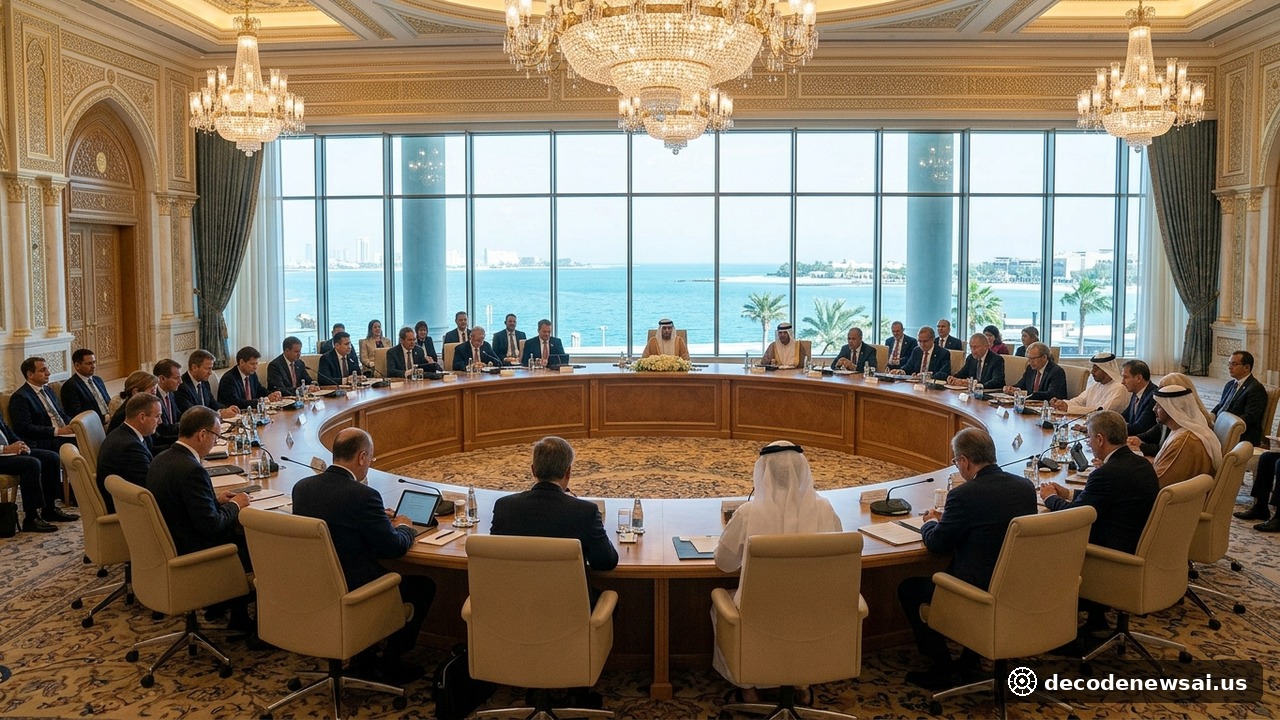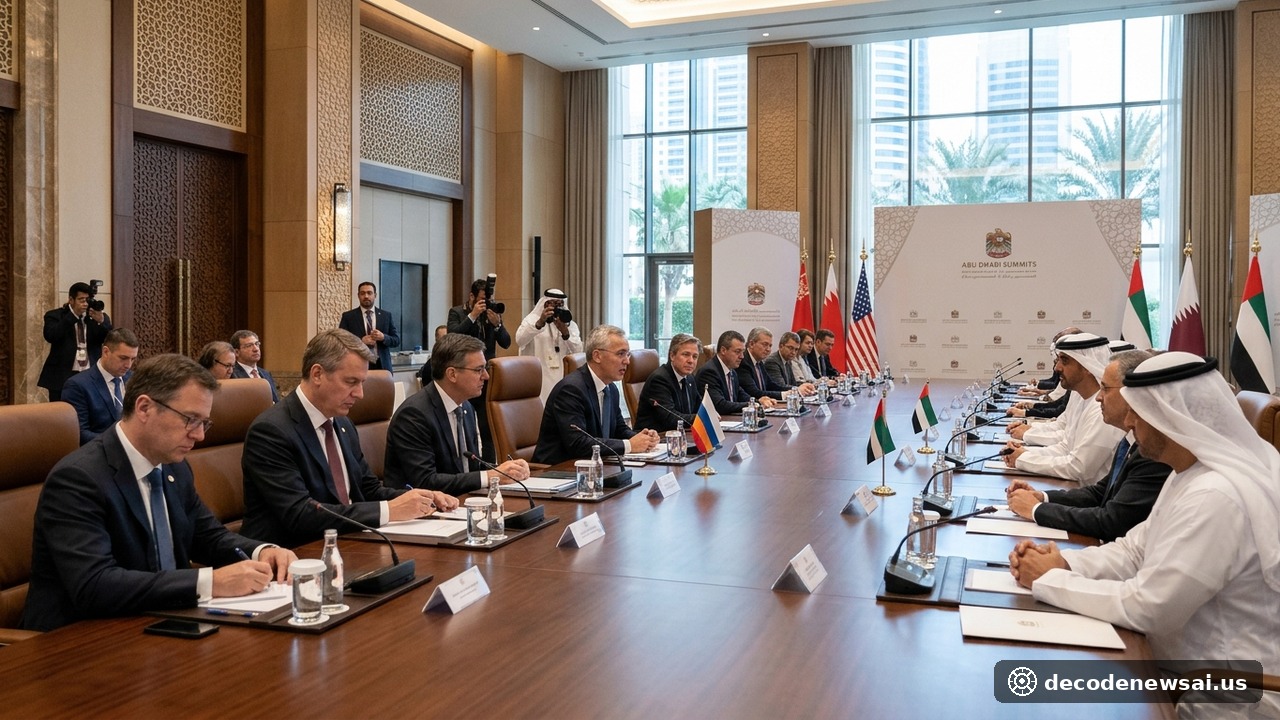
Russian and Ukrainian negotiating delegations convened in Abu Dhabi on Tuesday, November 10, 2026, launching their first face-to-face peace negotiations in nine months. Brokered under United States diplomatic mediation, the high-level consultations mark the resumption of direct dialogue between Moscow and Kyiv following the suspension of bilateral talks in Geneva in February 2026. The initial four-hour closed-door session centered on establishing framework conditions for long-term European security guarantees and mitigating attacks against critical energy infrastructure. Resuming Direct Diplomatic Dialogue in Abu Dhabi Following Nine-Month Impasse The trilateral summit in the United Arab Emirates represents a renewed diplomatic initiative aimed at exploring pathways toward resolving the conflict that began in February 2022.
According to official briefings released by the Emirati Ministry of Foreign Affairs, the talks opened with preliminary consultations involving Ukrainian Defense Minister Rustem Umerov, White House special envoys Steve Witkoff and Jared Kushner, alongside representatives from European partners including the United Kingdom, France, Germany, and Italy. The session subsequently transitioned into a direct trilateral format between Ukrainian, Russian, and American delegations. Negotiators reviewed technical protocols governing humanitarian corridors, prisoner-of-war exchanges, and mutual operational pauses targeting civilian power generation facilities ahead of winter.
White House Special Envoy Jared Kushner stated to delegates at the opening of the Abu Dhabi conference: "President Trump has asked us to dedicate maximum diplomatic energy toward identifying a negotiated solution that ends this devastating conflict while ensuring both sides emerge with secure, verifiable borders. We have presented constructive structural proposals designed to establish lasting regional stability." Addressing Post-War Security Guarantees and Maritime Navigation Along the Black Sea Throughout the nearly four hours of intensive closed-door deliberations, delegations focused on the core parameters of post-war security architecture and maritime transit corridors.
The Ukrainian delegation maintained that any durable settlement must guarantee Ukraine's sovereign territorial integrity, backed by legally binding multilateral defense commitments from international partners. Russian envoys underscored Moscow's core demands regarding military non-alignment and restrictions on forward allied deployments. While substantial differences remain regarding territorial claims, working groups reached preliminary technical understandings regarding emergency military deconfliction hotlines and joint monitoring coordination teams.
Ukrainian Defense Minister Rustem Umerov commented in an official statement on social media: "The first day of trilateral consultations was substantive and rigorous. We clearly communicated Ukraine's principled positions regarding national sovereignty and the security of our people. Our objective remains achieving an honorable and durable peace." Coordinating Multilateral Diplomatic Follow-Up with European Security Partners The resumption of direct contacts triggered active diplomatic coordination across Western capitals as allied foreign ministries assessed the Abu Dhabi roadmap.
In Paris, U.S. Secretary of State Marco Rubio, attending expanded Group of Seven consultations, described the Abu Dhabi negotiations as very productive, noting that long-term implementation will ultimately require full European coordination. Working-level technical delegations are scheduled to resume deliberations in Abu Dhabi on Wednesday to finalize technical agendas. International capital markets responded positively, with European energy benchmark futures recording moderate declines following news of the dialogue.
A senior fellow at the Center for Strategic and International Studies observed in Washington: "Returning to the negotiating table after nine months of complete diplomatic paralysis is an essential milestone. While immediate breakthroughs are unlikely, establishing structured channels to debate security guarantees creates an indispensable foundation for conflict resolution."
Strategic planning advisors and international trade specialists noted that long-term intergovernmental frameworks generate predictable operating environments across key industry sectors. By coupling transparent administrative guidelines with rigorous scientific benchmarks, regulatory bodies and enterprise leaders establish sustainable operating models capable of withstanding shifting macroeconomic dynamics. Global market participants will continue observing forthcoming implementation milestones as public agencies execute their mandated responsibilities throughout 2027. Cross-border coordination remains vital for driving sustained operational resilience and delivering measurable societal benefits worldwide.
Strategic planning advisors and international trade specialists noted that long-term intergovernmental frameworks generate predictable operating environments across key industry sectors. By coupling transparent administrative guidelines with rigorous scientific benchmarks, regulatory bodies and enterprise leaders establish sustainable operating models capable of withstanding shifting macroeconomic dynamics. Global market participants will continue observing forthcoming implementation milestones as public agencies execute their mandated responsibilities throughout 2027. Cross-border coordination remains vital for driving sustained operational resilience and delivering measurable societal benefits worldwide.