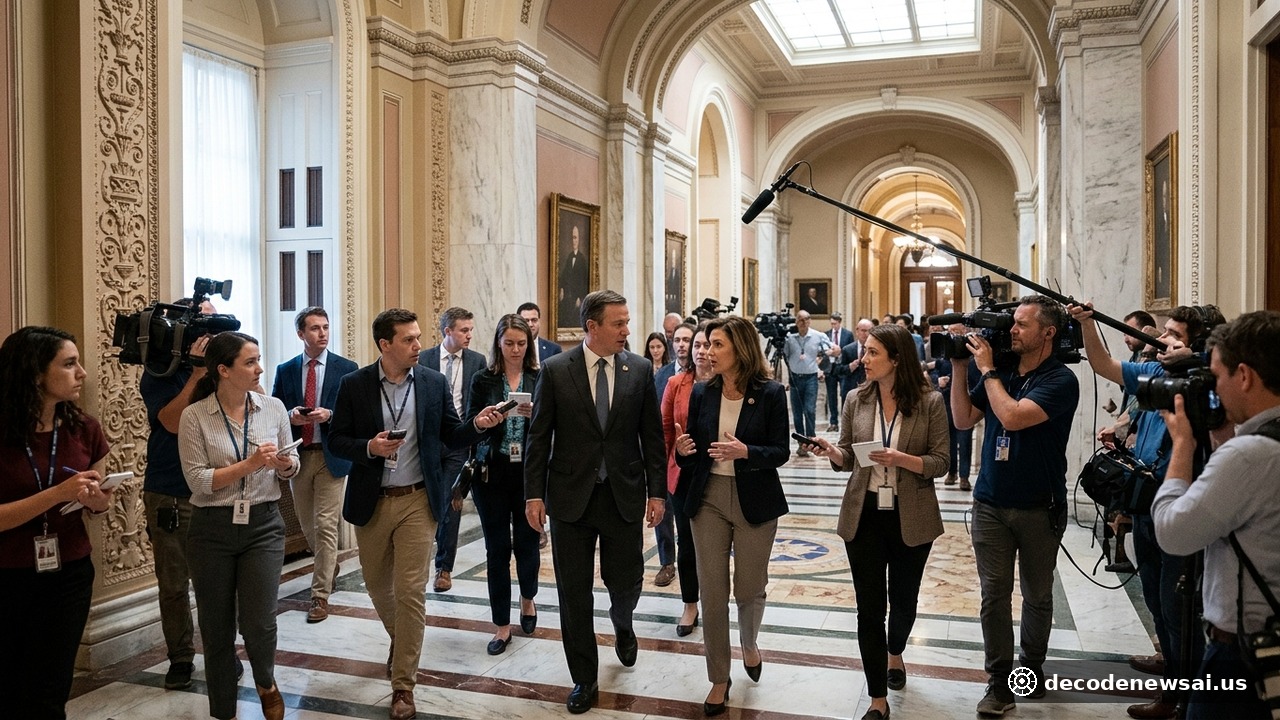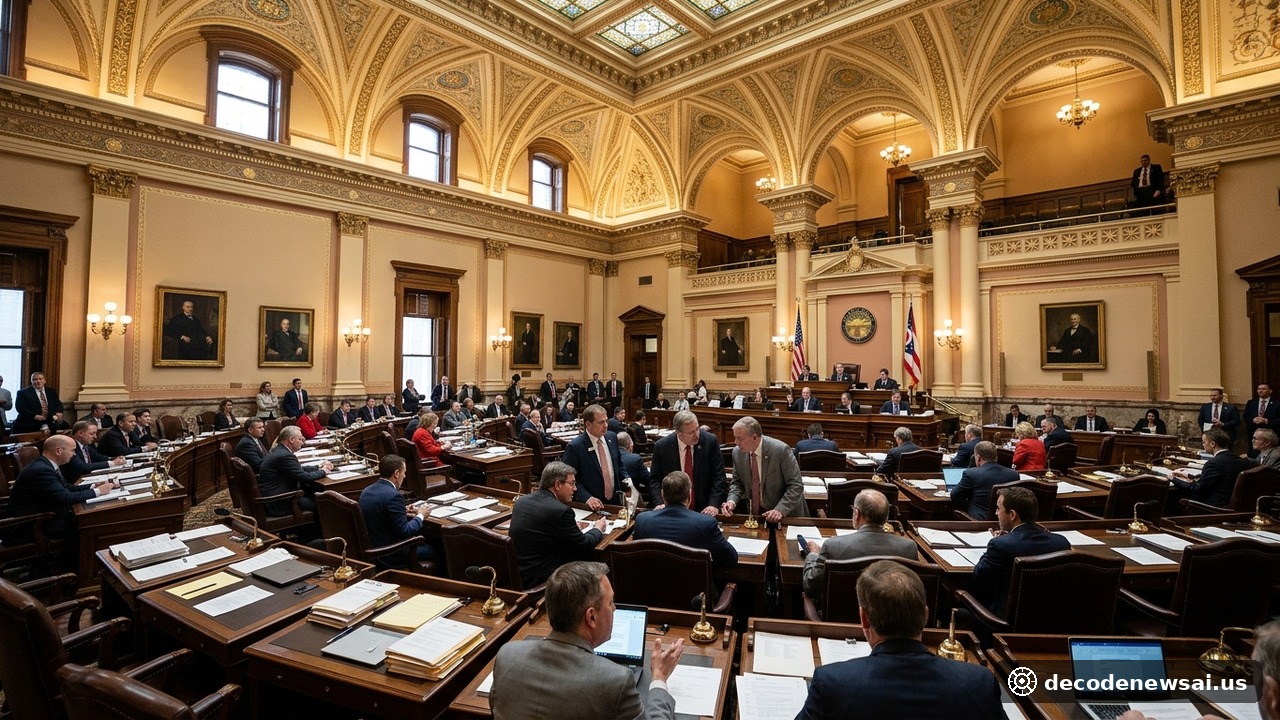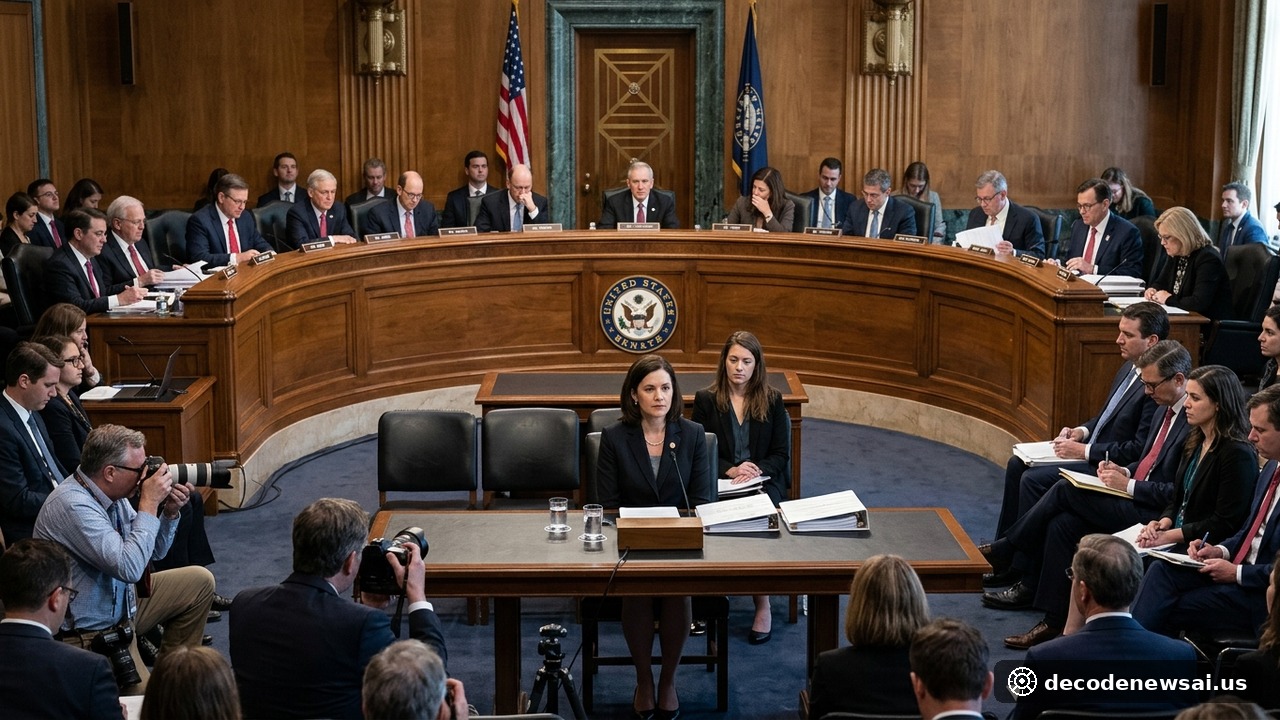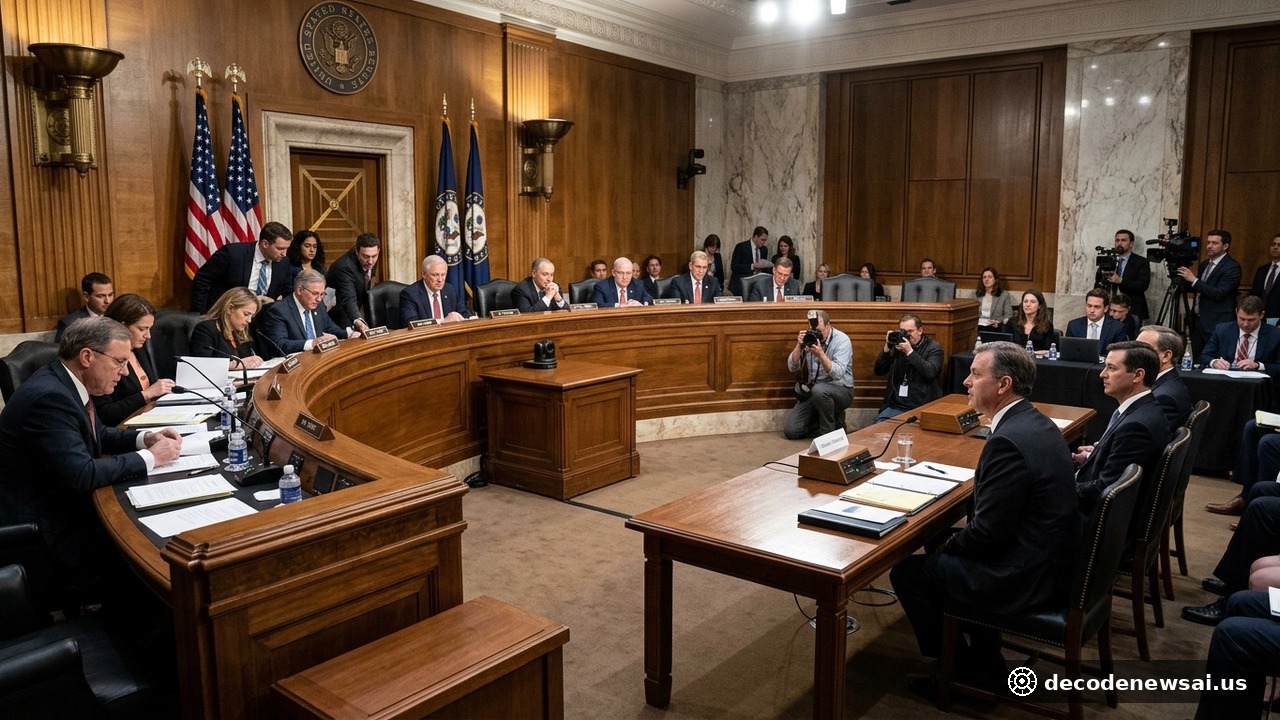
The United States Senate Committee on the Judiciary officially convened confirmation hearings on Tuesday, November 10, 2026, to examine pending Article III federal appellate judicial nominees, including Mississippi legal scholar Todd Butler. The high-profile hearing marks the initial formal judicial vetting session following the 2026 midterm elections, which determined that Democrats will assume constitutional majorities across both congressional chambers on January 3, 2027. Facing an imminent expiration of legislative control, Senate Republicans launched an aggressive floor and committee strategy designed to confirm conservative judicial nominees before the conclusion of the 119th Congress.
Republicans press to confirm circuit and district court nominees
Committee leadership emphasized that confirming experienced judicial nominees represents a vital constitutional obligation under Article II, Section 2 of the United States Constitution.
Republicans intend to clear federal circuit and district court dockets before the legislative calendar sunsets. Addressing committee members during opening administrative proceedings in the Dirksen Senate Office Building, a senior Republican committee member stated: "The Senate's constitutional mandate to provide advice and consent remains continuous and sovereign throughout the entirety of this Congress. We have an institutional responsibility to evaluate distinguished nominees diligently, and we will proceed deliberately to ensure the federal bench is fully staffed with qualified jurists."
Committee administrators indicated that preliminary nomination votes will be scheduled promptly following the conclusion of formal questioning periods.
Democrats criticize lame-duck pace and seek delay until 120th Congress
Democratic committee members sharply criticized the accelerated pace of the hearings, arguing that lame-duck confirmations of controversial lifetime appointments disregard recent electoral mandates. Questioning focused extensively on nominees' judicial philosophies concerning federal regulatory authority, executive branch discretion, and civil rights precedents. Democratic leaders urged the committee to defer pending nominations until the incoming 120th Congress convenes in January, signaling potential procedural delay maneuvers during upcoming executive business meetings.
Constitutional legal scholars noted that judicial confirmation battles routinely intensify during presidential transitions and lame-duck congressional periods. With dozens of appellate and district court nominations awaiting final consideration, Senate floor managers are preparing for extended weekend sessions ahead of statutory funding deadlines in December.
Constitutional governance scholars and congressional legal analysts observed that judicial confirmation hearings during lame-duck sessions reflect intense inter-branch competition over long-term jurisprudence. Because Article III federal judges exercise lifetime tenure, confirming distinguished nominees before congressional majorities transition shapes administrative law and regulatory enforcement standards for decades. Nonpartisan judicial vetting committees and national legal associations encouraged lawmakers to prioritize thorough professional qualifications and ethical integrity across all nominee evaluations. Congressional historians noted that maintaining active floor schedules during transitional periods aligns with historical precedents established across prior congressional terms.
Executive branch legal scholars and defense management consultants emphasized that constructive collaboration between congressional committees and judicial leadership supports long-term strategic coherence. Transparent administrative reviews and disciplined civilian oversight maintain public confidence while ensuring that judicial vacancies are filled with qualified jurists. Nonpartisan judicial vetting organizations commended efforts to conduct orderly confirmation procedures across all federal appellate and trial courts.
Furthermore, judicial governance specialists observed that prompt committee hearings prevent prolonged administrative backlogs in federal circuit courts. Legal scholars noted that timely confirmation votes ensure continuous appellate adjudications and preserve institutional integrity across the judiciary.
In addition, constitutional scholars and congressional procedure analysts noted that orderly committee oversight reinforces the rule of law and statutory integrity across the federal court system. Transparent confirmation hearings allow lawmakers to evaluate each nominee's legal acumen, judicial philosophy, and temperament in full view of the American public. Furthermore, legal practitioners emphasized that maintaining fully staffed federal appellate benches prevents case backlogs from delaying justice for litigants, small business owners, and local communities nationwide. Civic policy institutes commended the Senate Judiciary Committee for conducting thorough and disciplined evaluations of all pending judicial candidates.