Ohio Republican legislative leaders are drafting statutory revisions. They want to curtail the governor's executive powers. The move comes before the incoming Democratic administration takes office in January. Amy Acton was formally confirmed on November 10, 2026.
Legislative Checks on Executive Power Surface in Lame Duck
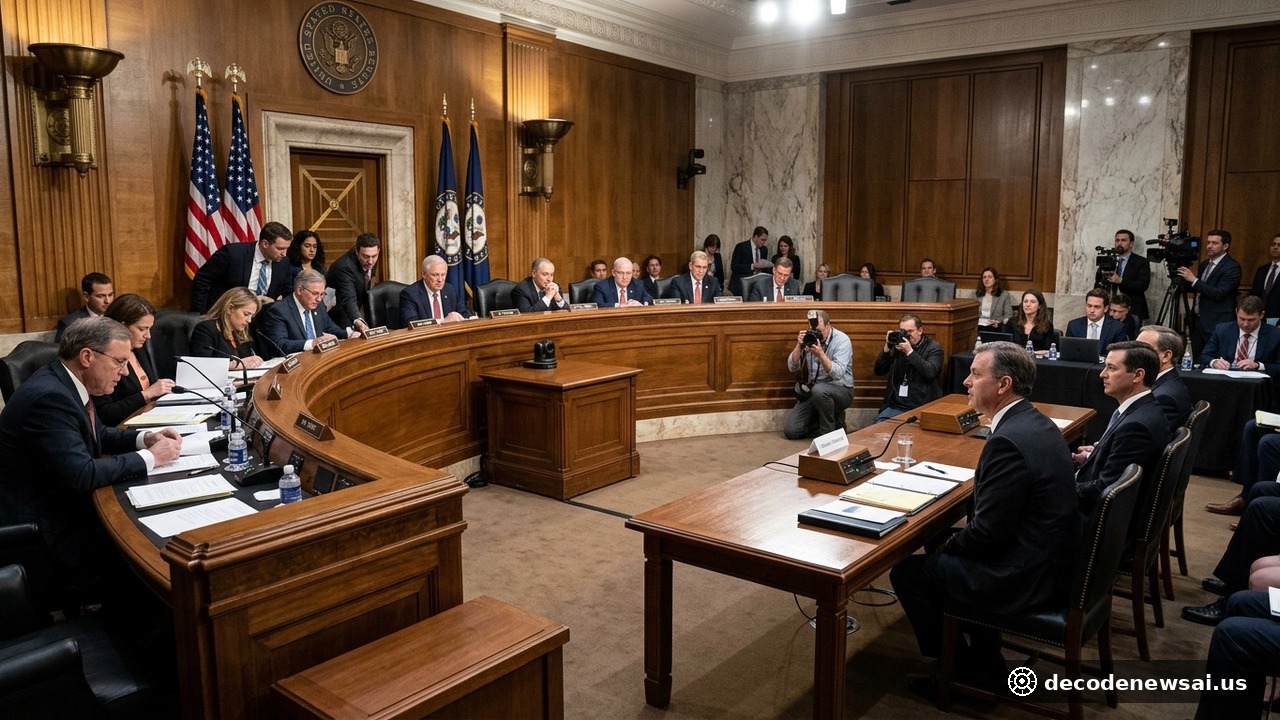
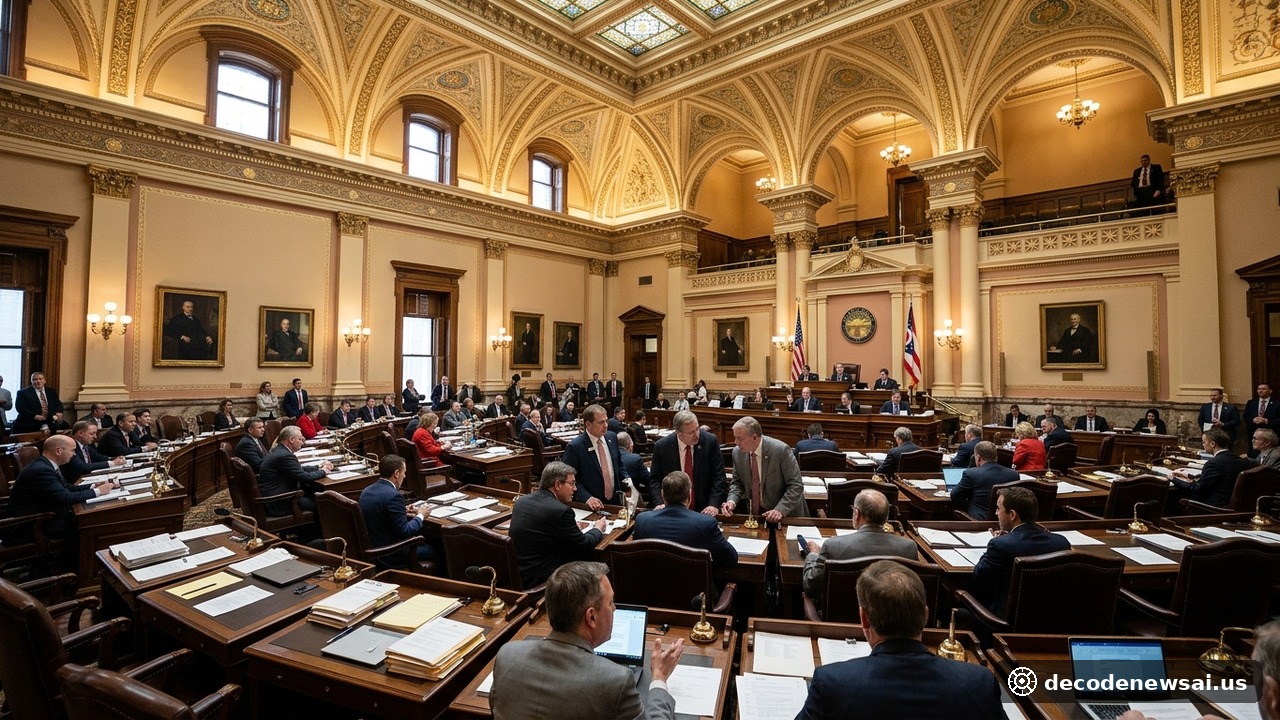
Political maneuvering inside the Columbus statehouse shows sharpening institutional friction. Republican leaders are drafting comprehensive statutory revisions. These are designed to recalibrate gubernatorial prerogatives before the new administration arrives. Proponents argue that curtailing unilateral emergency executive orders ensures major regulatory policies face mandatory legislative oversight.
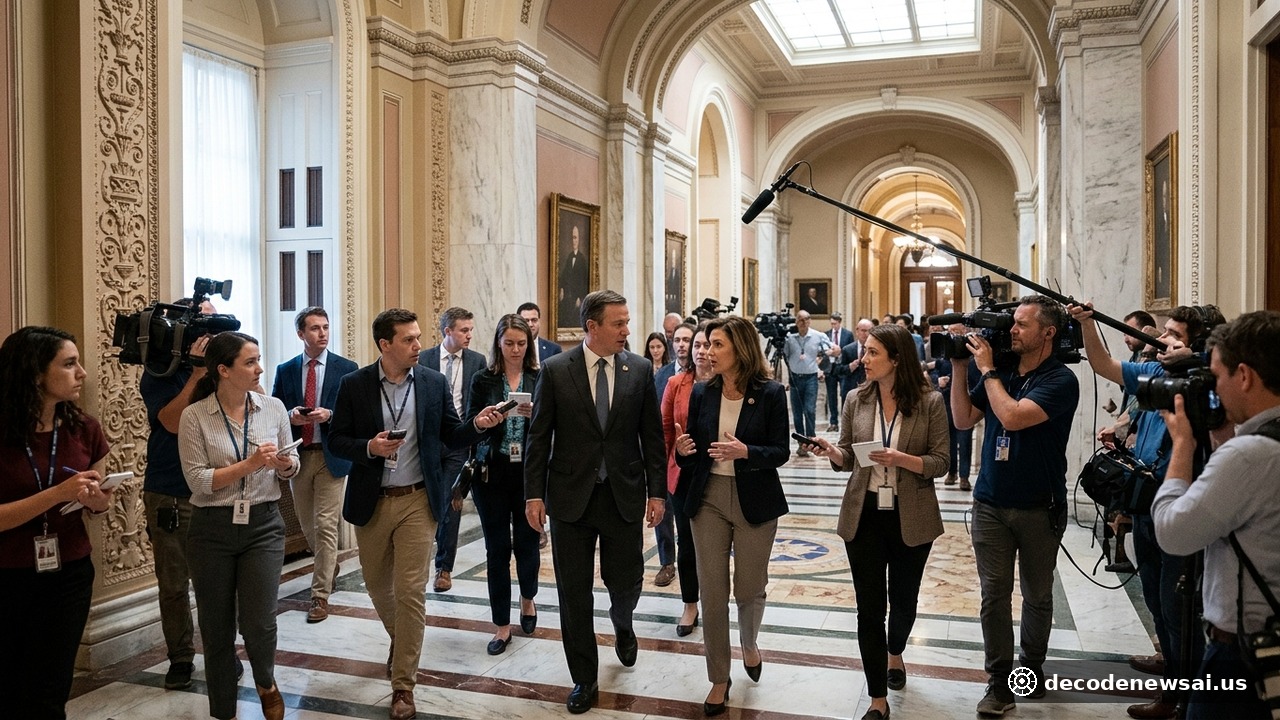
The Ohio Senate Democratic minority leader spoke outside the statehouse. "Voters spoke decisively at the ballot box," she declared. "Lawmakers have no legitimacy in a lame-duck session to rewrite statutory checks on an incoming governor." Her statement drew immediate attention from both parties.
Public Health Authority and Cabinet Nominations Draw Scrutiny
Controversy centers on the state department of health's administrative powers. Cabinet confirmation procedures are also in dispute. Acton has a prominent history as a decisive public health director. Conservative lawmakers now seek statutory firewalls to prevent sweeping administrative mandates.
Proposed measures would require affirmative legislative approval. Any statewide health directives affecting commercial operations would need that approval before taking legal effect. A senior Republican member of the Ohio House Rules Committee defended the effort. "Re-examining statutory delegation is an inherent legislative authority," he argued. It is designed to ensure greater institutional accountability across state government.
Divided Government Tensions Erupt Ahead of Inauguration
The legislative offensive offers an early preview of divided government dynamics. These tensions are poised to dominate state politics over the coming term. Democratic legal teams have pledged immediate constitutional challenges. They will go before the state Supreme Court if lame-duck power-stripping bills pass into law.
The struggle over executive boundaries reflects nationwide institutional battles. Conservative legislatures and newly elected Democratic governors are clashing across the country. The Ohio fight is one front in that broader conflict.
Legal Challenges and Implementation Timelines Take Shape
Democratic legal teams are preparing their case. They argue the lame-duck session lacks legitimacy for such revisions. Republican sponsors counter that legislative oversight is a core function. Both sides expect the state Supreme Court to weigh in.
Strategic planning advisors and international trade specialists noted that long-term intergovernmental frameworks generate predictable operating environments across key industry sectors. By coupling transparent administrative guidelines with rigorous scientific benchmarks, regulatory bodies and enterprise leaders establish sustainable operating models capable of withstanding shifting macroeconomic dynamics. Global market participants will continue observing forthcoming implementation milestones as public agencies execute their mandated responsibilities throughout 2027. Cross-border coordination remains vital for driving sustained operational resilience and delivering measurable societal benefits worldwide.
Market and Industry Response to Policy Shifts
Industry research analysts and institutional portfolio managers emphasized that robust governance protocols foster market confidence across capital-intensive enterprise ecosystems. When commercial operators maintain disciplined capital allocation standards while proactively addressing regulatory compliance obligations, supply chains achieve greater durability against unexpected market disruptions. Financial institutions and institutional investors plan to scrutinize quarterly audit disclosures closely as the revised policy provisions take full effect across jurisdictional territories.
Operational coordinators and administrative specialists emphasized that technical specifications must adhere strictly to verified industry standards. Working groups conducted comprehensive risk assessments to anticipate potential regulatory friction points during initial commercial integration. Market participants across public and private sectors voiced strong support for standardized procedural rules, noting that clear oversight mitigates operational vulnerabilities.
Timeline and Next Steps in Columbus
The legislative session runs through December. Republican leaders aim to pass their bills before January. The incoming administration takes office then. Acton's confirmation on November 10, 2026 remains the backdrop for all of this.
Democratic legal teams have pledged immediate constitutional challenges. The state Supreme Court would hear any challenge. The outcome will shape executive authority in Ohio for years. Both parties are watching the calendar closely.