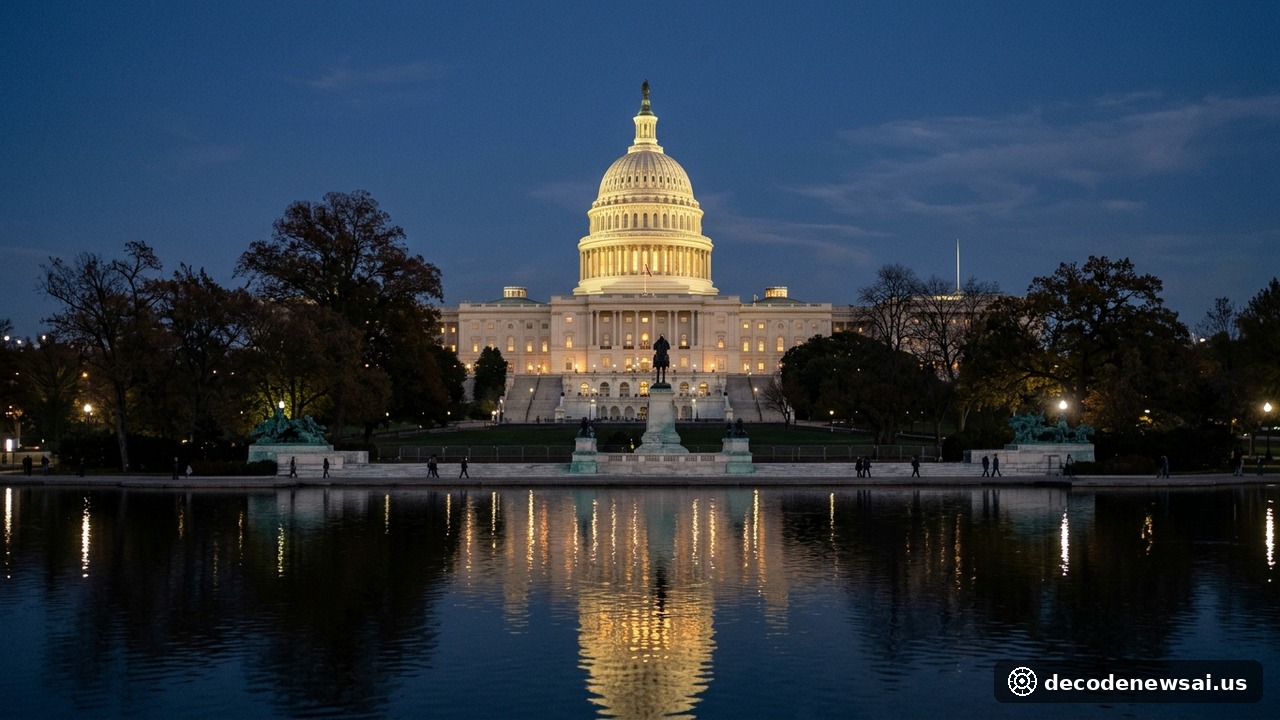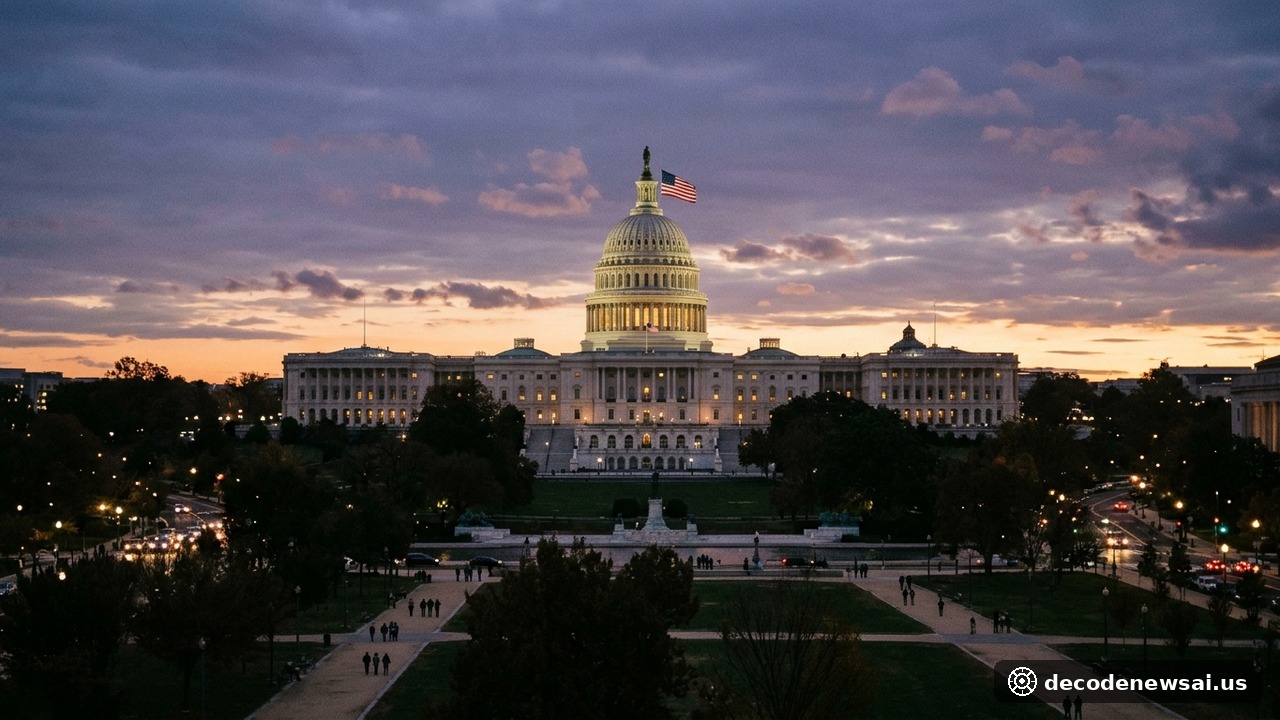
Following the certified conclusion of the 2026 United States midterm elections on November 6, 2026, which secured Democratic majorities across both the House of Representatives and the Senate in the upcoming 120th Congress, intense political friction engulfed federal regulatory agencies. Industry alliances led by USTelecom immediately petitioned Federal Communications Commission (FCC) Chairman Brendan Carr, demanding rapid permitting deregulation for rural broadband alongside formal regulatory mandates requiring Big Tech traffic conglomerates to fund the Universal Service Fund (USF) before aggressive Democratic oversight sub-committees assume subpoena power in January.
Operational Benchmarks and Budgetary Parameters Governing the Federal Telecom Dispute
- Universal Service Fund (USF) Annual Budget: $8.0 billion to $9.0 billion statutory outlays
- House Energy & Commerce Investigative Authority: Complete subpoena transfer to Democrats in Jan 2027
Why Does Democratic Control of Congress Threaten Carr's Conservative Agenda?
Prior to the midterm shift, FCC Chairman Brendan Carr pursued an aggressive deregulation agenda, relaxing orbital licensing hurdles for commercial satellite mega-constellations, supporting multi-billion-dollar rural subsidies for Elon Musk's Starlink, and publicly rebuking Silicon Valley content-moderation policies. However, Democratic Senate flips across North Carolina and Texas, paired with a solid working House majority, dismantled the unilateral political umbrella previously protecting administrative restructuring across independent regulatory agencies.
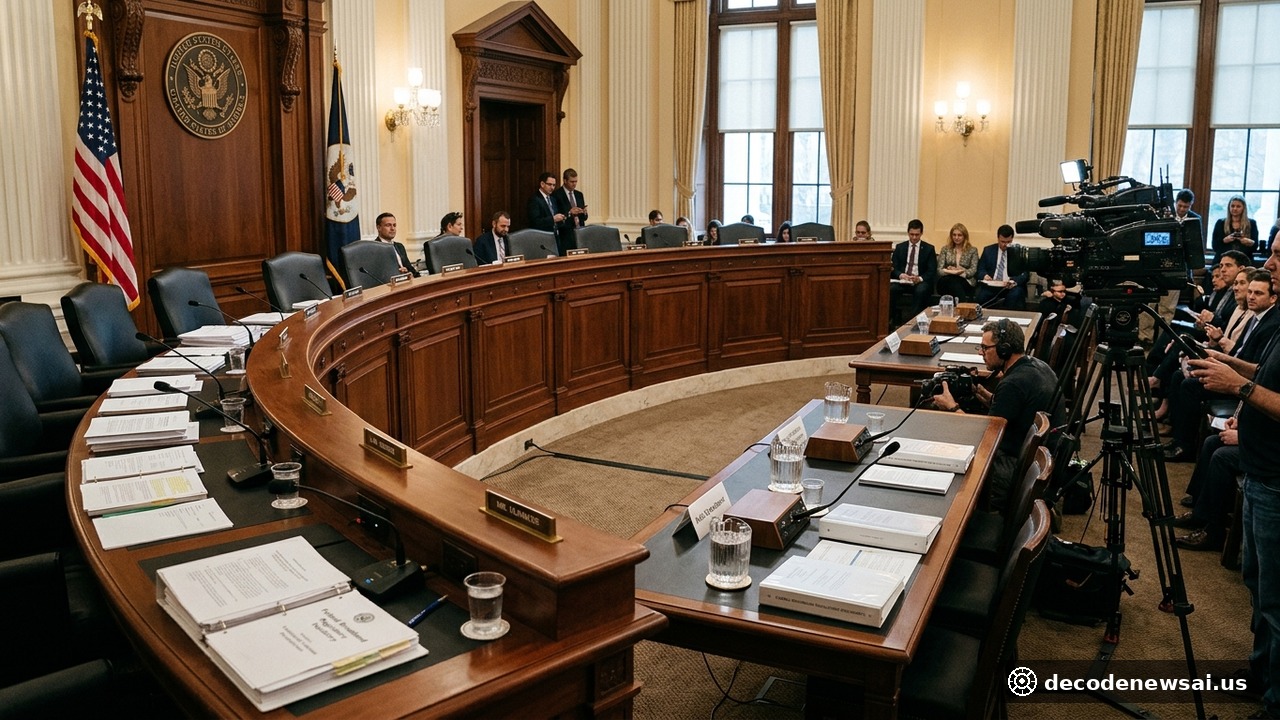
Incoming Democratic committee leadership on the House Energy and Commerce Committee and the Senate Commerce Committee have begun assembling comprehensive oversight dockets. Lawmakers pledged exhaustive investigations into the distribution of the $42.45 billion Broadband Equity, Access, and Deployment (BEAD) program, scrutinizing whether administrative waivers disproportionately benefited private aerospace billionaires over municipal fiber providers. Furthermore, legislative leaders signaled immediate intentions to codify federal Net Neutrality protections, directly challenging Carr's deregulatory trajectory.
Why Are Telecom Operators Pushing Big Tech to Fund National Broadband Expansion?
Confronting looming congressional upheaval, legacy broadband infrastructure providers represented by USTelecom—including AT&T, Verizon, and Lumen Technologies—launched a decisive lobbying offensive. In formal filings submitted to Chairman Carr, carriers argued that the Universal Service Fund, established under the Telecommunications Act of 1996 to subsidize rural telemedicine and low-income telecommunications access, faces imminent insolvency due to an archaic funding formula based exclusively on traditional voice telephone bill surcharges.
The core grievance centers on perceived digital freeloading. Independent network telemetry confirms that six dominant technology platforms generate over 65% of all downstream internet traffic across the United States without contributing to capital maintenance for the underlying physical optical fiber and cellular tower infrastructure. USTelecom demanded that Carr utilize executive administrative authority before the congressional transition to expand the USF contribution base to encompass commercial video streamers and cloud hyper-scalers, presenting Carr with an acute ideological and political dilemma.
Structural Conflict Between Executive Regulators and Sovereign Legislative Authority
The brewing confrontation illustrates how federal regulatory agencies are increasingly mobilized as battlegrounds in partisan warfare. For Chairman Carr, acquiescing to telecom demands by imposing mandatory infrastructure fees on Silicon Valley would provoke immediate litigation from powerful tech lobbies under the Major Questions Doctrine. Conversely, resisting reform exposes the agency to retaliatory budget reductions and relentless public oversight hearings once Democratic committee gavels take effect.
As the formal convening of the 120th Congress approaches, the American telecommunications landscape faces intense legislative and regulatory realignment. The friction between legacy telecom operators, commercial satellite titans, and digital platform monopolies has transcended technical policymaking, crystallizing into a high-stakes constitutional contest over infrastructure financing and regulatory authority that will dictate the future trajectory of the nation's digital economy.