Minnesota Attorney General Keith Ellison initiated landmark federal litigation on November 6, 2026, spearheading a multistate coalition against executive branch directives that impose unprecedented work requirements on Medicaid recipients. The lawsuit contends that recent federal enforcement policies unlawfully siphon approximately $1 trillion from vulnerable populations, transforming a six-decade-old statutory entitlement ensuring universal healthcare access into an unconstitutional behavioral coercion instrument. Filed in federal district court, the complaint seeks immediate injunctive relief to prevent hundreds of thousands of low-income citizens from losing lifesaving medical coverage.
Strategic Metrics and Budgetary Impact of the Contested Medicaid Enforcement
- Projected Healthcare Funding Rescinded by Legislation: ~$1.00 trillion over statutory budget window
- Low-Income Residents Facing Immediate Disenrollment: Hundreds of thousands of eligible Minnesotans;Minnesota Department of Human Services
- Statutory Duration of Uninterrupted Universal Access: 60 years (established under Title XIX of SSA)
- Mandatory Employment Reporting Threshold: Minimum 80 hours monthly verified employment
- Lead Co-Plaintiff State Attorney General Coalition: Minnesota, California, New York, and partners;U.S. District Court Verified Complaint
Why Does Ellison Condemn Mandatory Work Requirements as Unconstitutional Coercion?
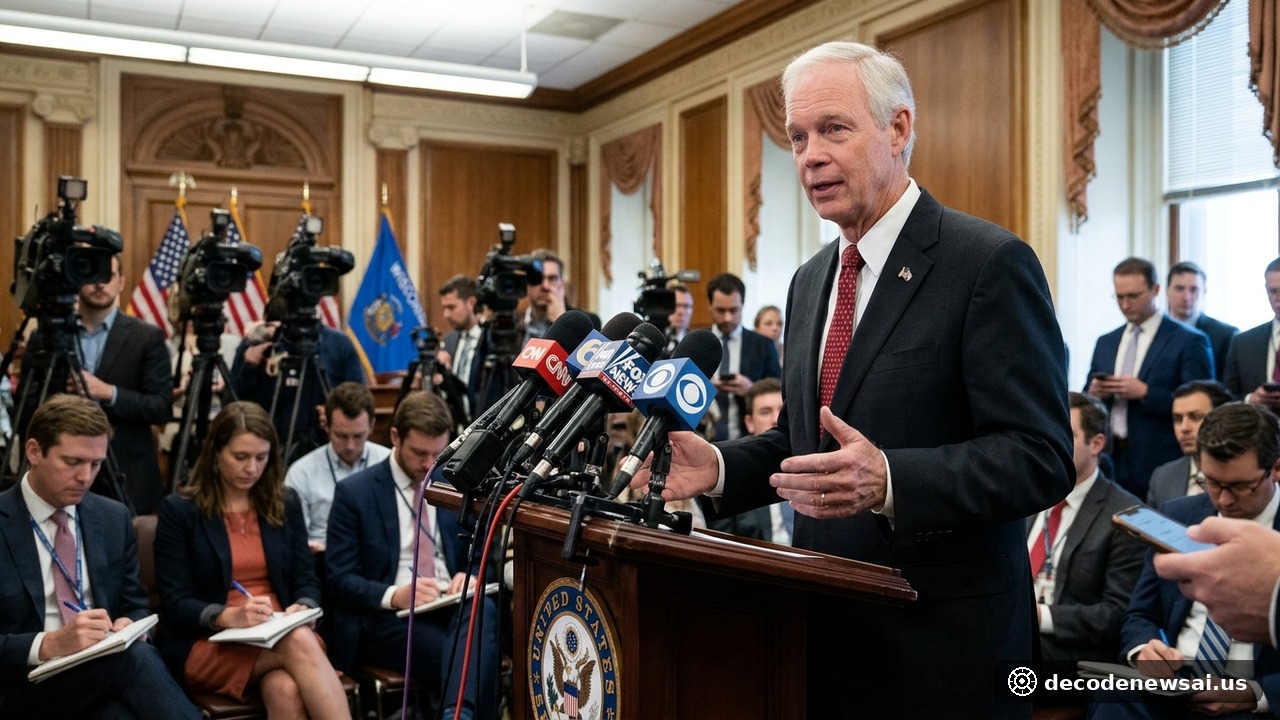
Speaking before reporters at the Minnesota Office of the Attorney General in Saint Paul, Ellison delivered an uncompromising indictment of the federal administration's administrative implementation of recent legislative provisions. Ellison asserted: "It is unconscionable that federal policy strips one trillion dollars from the healthcare of ordinary working families to subsidize corporate tax breaks, while erecting cruel administrative mazes designed to push impoverished citizens off coverage. Transforming Medicaid from a health safety net into a system that withholds medical treatment as punitive leverage is an unconstitutional bait-and-switch that violates foundational federalist principles."
Under the sixty-year legislative history governing Title XIX of the Social Security Act of 1965, Congress created Medicaid with a singular statutory mission: enabling economically distressed families to obtain vital clinical care without facing financial devastation. Empirical demographic data submitted with the court filings reveal that the overwhelming majority of non-disabled adult beneficiaries are already employed in low-wage hourly shifts with irregular hours, or are burdened with full-time caregiving duties for disabled children and elderly relatives. Imposing bureaucratic digital verification portals guarantees that eligible recipients will be stripped of benefits solely due to technical filing barriers.
What Catastrophic Strains Will Medicaid Disenrollment Impose on Hospital Systems?
The litigation outlines extensive empirical evidence detailing the systemic damage inflicted on municipal public healthcare facilities and state fiscal reserves. Drawing from prior administrative experiments in Arkansas, over 18,000 beneficiaries lost coverage within months due to complex monthly portal reporting requirements, without producing any measurable increase in regional employment rates. Disenrolled patients were systematically denied prescription insulin, hypertension management, and early-stage oncological diagnostics, resulting in sharp spikes in preventable emergency admissions.
Under the federal Emergency Medical Treatment and Labor Act (EMTALA), emergency departments are legally mandated to evaluate and stabilize patients regardless of insurance coverage or ability to pay. Stripping health coverage from hundreds of thousands of vulnerable residents will inundate public trauma centers with uncompensated emergency care, destabilizing regional safety-net hospitals. The complaint warns that these unbudgeted emergency liabilities will inevitably drive up private commercial insurance premiums, shifting federal financial obligations directly onto local state taxpayers.
Multistate Constitutional Challenges and the Defense of Federalism Protections
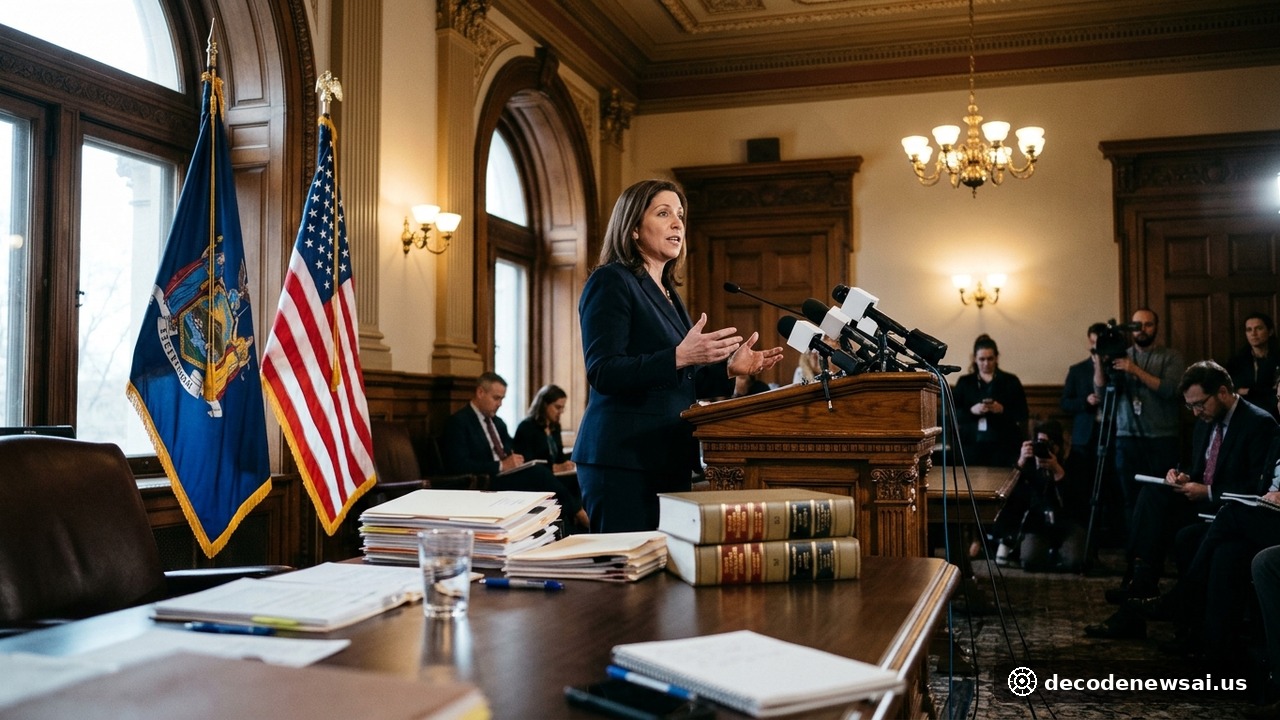
The Minnesota lawsuit represents the vanguard of an aggressive national legal defense mounted by state attorneys general against administrative overreach. California, New York, and allied state attorneys general filed parallel actions and amicus briefs, asserting that the Department of Health and Human Services exceeded its statutory authority by interpreting administrative waiver provisions to rewrite core entitlement eligibility criteria without explicit congressional authorization.
Legal scholars emphasize that the litigation centers on fundamental Spending Clause jurisprudence under the United States Constitution, which strictly prohibits the federal government from utilizing financial penalties to coerce state governance. As plaintiff states petition the federal court for a nationwide preliminary injunction, the legal confrontation establishes a vital referendum on executive power, protecting essential medical lifelines for millions of low-income Americans while reaffirming constitutional boundaries governing federal-state cooperation.