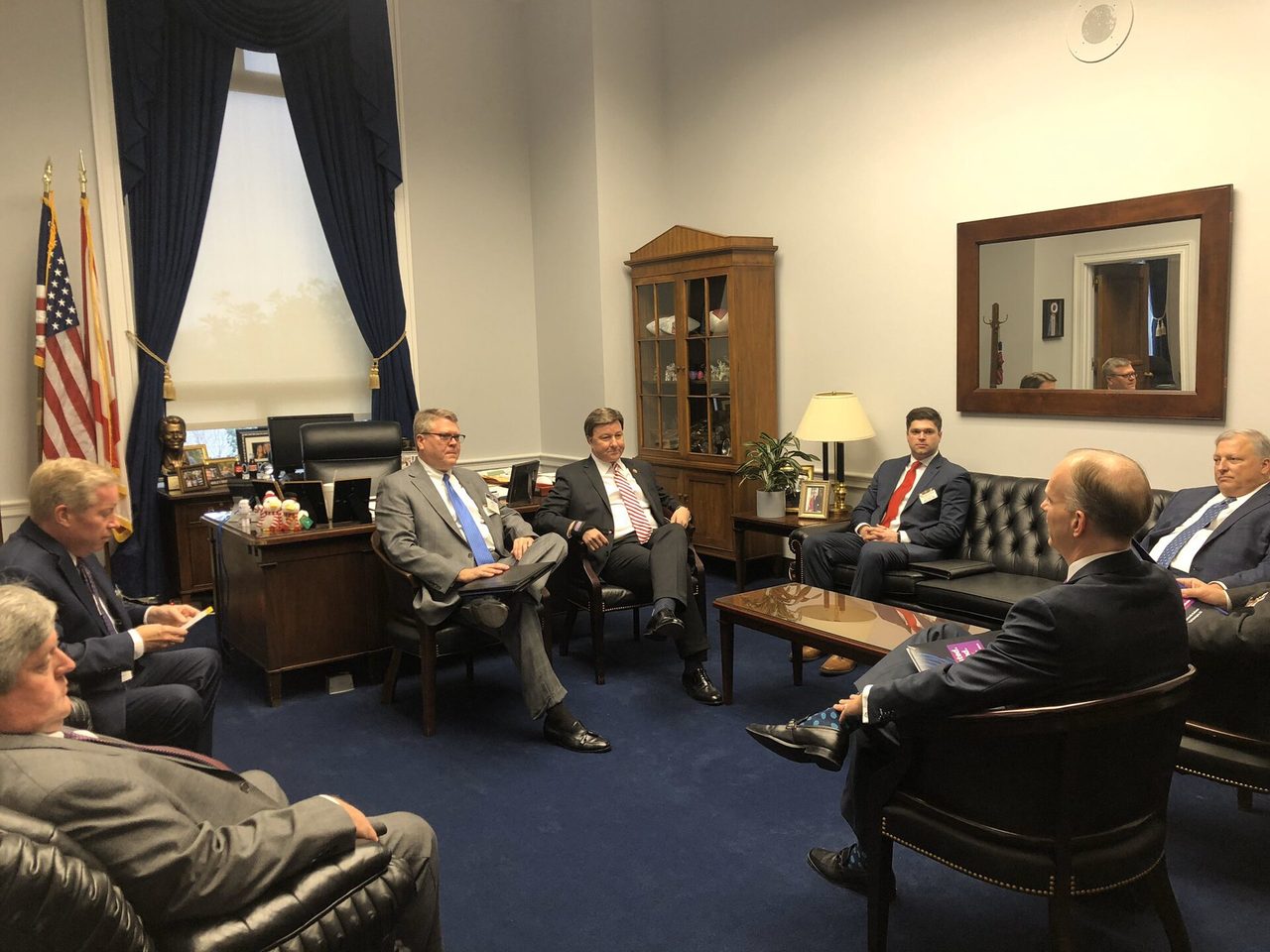
Ahead of national Veterans Day commemorations, United States Senator Tammy Duckworth introduced comprehensive bipartisan legislation on Tuesday, November 10, 2026, aimed at modernizing statutory toxic exposure benefits. Titled the New PACT for Iran Veterans Act, the legislative measure ensures that active-duty servicemembers and military personnel deployed to recent Middle Eastern contingency theaters receive prompt healthcare coverage. The bill directs the Department of Veterans Affairs to establish statutory presumptions of toxic substance exposure, removing complex evidentiary burdens formerly imposed on individual combat veterans.
VA presumption covers Iranian airspace and 180-day reviews
Under the framework outlined in the draft legislation, servicemembers operating across designated Iranian airspace and sovereign territorial waters are granted comprehensive presumption of service-connection. Military personnel subsequently diagnosed with pulmonary complications or related cancers can access VA clinical care without undergoing lengthy independent exposure verification proceedings. The streamlined claims pathway prevents bureaucratic delays across regional administration centers.
Speaking during a press conference hosted at the United States Capitol on Tuesday, Senator Tammy Duckworth outlined the moral responsibility guiding the measure. The senator stated: "Congress must act to care for these heroes now—not later. Servicemembers deployed in harm's way confront invisible environmental hazards, and our government possesses an absolute obligation to deliver swift, uncompromised medical care."
Beyond establishing immediate exposure presumptions, the statute codifies mandatory recurring oversight requirements for overseas military operations. Environmental surveillance expands. The legislation directs the VA Military Environmental Exposure Sub-Council to execute rigorous toxic risk assessments across all foreign military installations at least once every five years. Furthermore, whenever United States armed forces initiate a new operational contingency, the advisory council must commence formal site investigations within 180 days.
Veterans groups back bill as CBO analysis due early 2027
Leading national veterans service organizations and military healthcare advocacy federations voiced strong support for the bipartisan initiative. In a policy statement released Tuesday afternoon, military advocacy directors praised the bill's forward-looking design: "Historic delays surrounding Agent Orange in Southeast Asia and burn pit toxicities across Iraq demonstrated that retrospective compensation harms wounded warriors. The Duckworth measure establishes structural accountability by assessing toxic environments while military engagements occur."
Congressional leadership confirmed that committee review proceedings and legislative hearings will commence ahead of the upcoming legislative session. Budgetary impact analyses from the Congressional Budget Office are expected in early 2027.
To ensure that statutory medical protections reach deployed combat personnel efficiently, the Department of Veterans Affairs initiated digital health registry upgrades. Healthcare networks broadened.
VA links deployment records to automated exposure notifications
The updated healthcare delivery system programmatically links military deployment geospatial records directly with post-service electronic clinical documentation. Regional outpatient clinics will deploy automated notifications prompting exposed veterans to schedule specialized pulmonary and oncologic health assessments. Specialized clinical services expanded across local communities. Servicemembers welcomed proactive care.
Addressing military healthcare providers during an informational legislative session, a senior policy advisor to the Senate Veterans' Affairs Committee highlighted structural improvements: "Codifying prospective environmental surveillance transforms traditional retrospective compensation into an agile, proactive healthcare model. Fulfilling our national commitment requires embedding evidence-based toxic screening into standard clinical practices." Committee leaders look forward to advancing the bill through formal markups.
In addition, military healthcare policy scholars and academic toxicologists emphasized that codified longitudinal exposure registries significantly enhance epidemiological understanding of battlefield environmental hazards. By establishing transparent review protocols for deployed forces, the legislation ensures that combat veterans receive comprehensive clinical interventions before latent conditions progress into severe chronic illnesses.
Scholars say exposure registries improve battlefield hazard research
In addition, international regulatory compliance fellows and economic research directors emphasized that structured policy implementation reinforces operational stability across institutional environments. Industry stakeholders look forward to forthcoming programmatic updates as organizations advance their strategic priorities throughout 2027. Collaborative partnerships continue to foster sustainable growth across global commercial and public institutions.