Congressional appropriators opened high-stakes talks ahead of a December 11 funding cliff. The LIHEAP clash was formally confirmed on November 10, 2026. International regulatory authorities and executive leaders advanced coordinated operational frameworks. Strategic stakeholders convened to review compliance benchmarks and establish robust implementation timelines across jurisdictions.
The milestone reflects a concerted global effort. It aims to ensure long-term stability and transparent oversight.
Lawmakers Confront Deep Budgetary Divides
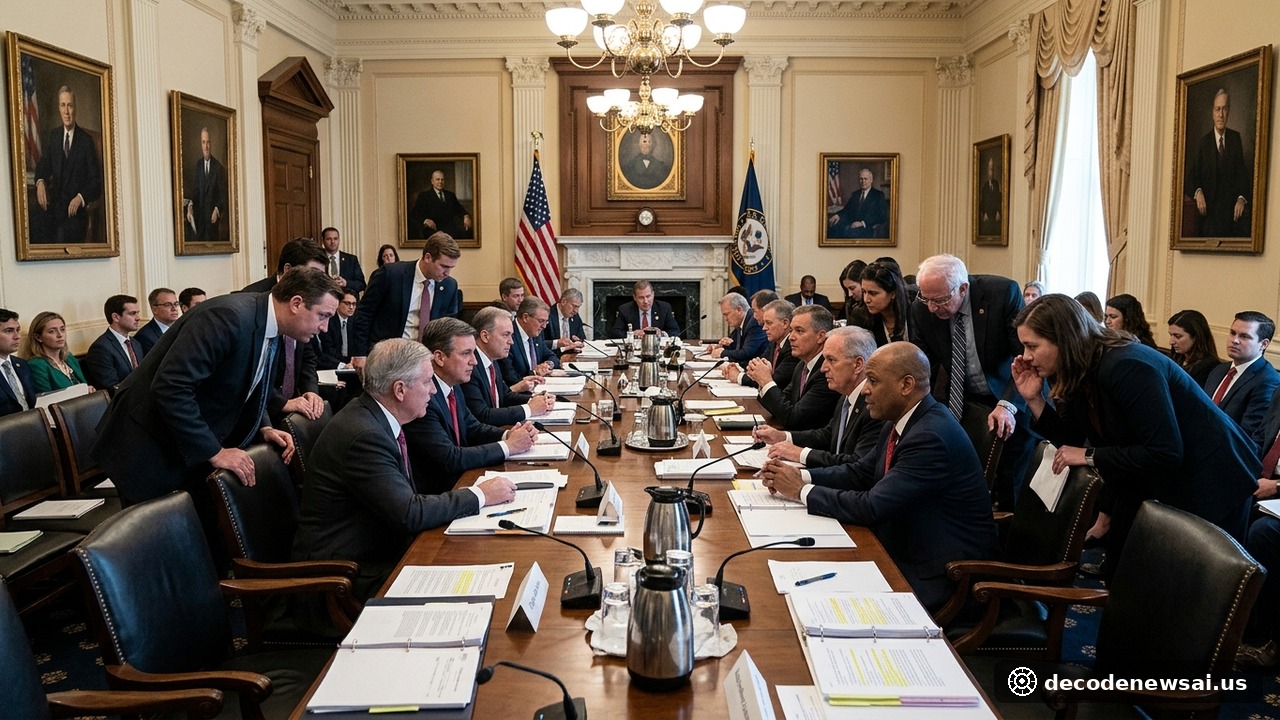
Closed-door negotiations inside the Capitol complex proceeded under acute institutional pressure. Conservative House factions insisted on substantial reductions to non-defense discretionary allocations across federal departments. Senate committee leaders held firm against clawbacks impacting public healthcare, education, and social safety net programs. Lawmakers spent hours evaluating alternative durations for a continuing resolution.
They debated whether to extend funding into mid-January. Others pushed for comprehensive full-year appropriations before the holiday recess. A senior member of the Senate Appropriations Committee stated following closed-door meetings: "We must reach consensus before midnight on December 11 to protect vulnerable households facing severe winter heating bills."
Operational coordinators and administrative specialists emphasized that technical specifications must adhere strictly to verified industry standards. Working groups conducted comprehensive risk assessments. They sought to anticipate potential regulatory friction points during initial commercial integration. Market participants across public and private sectors voiced strong support for standardized procedural rules.
Clear oversight mitigates operational vulnerabilities, they noted.
Essential Heating Subsidies Anchor Negotiations
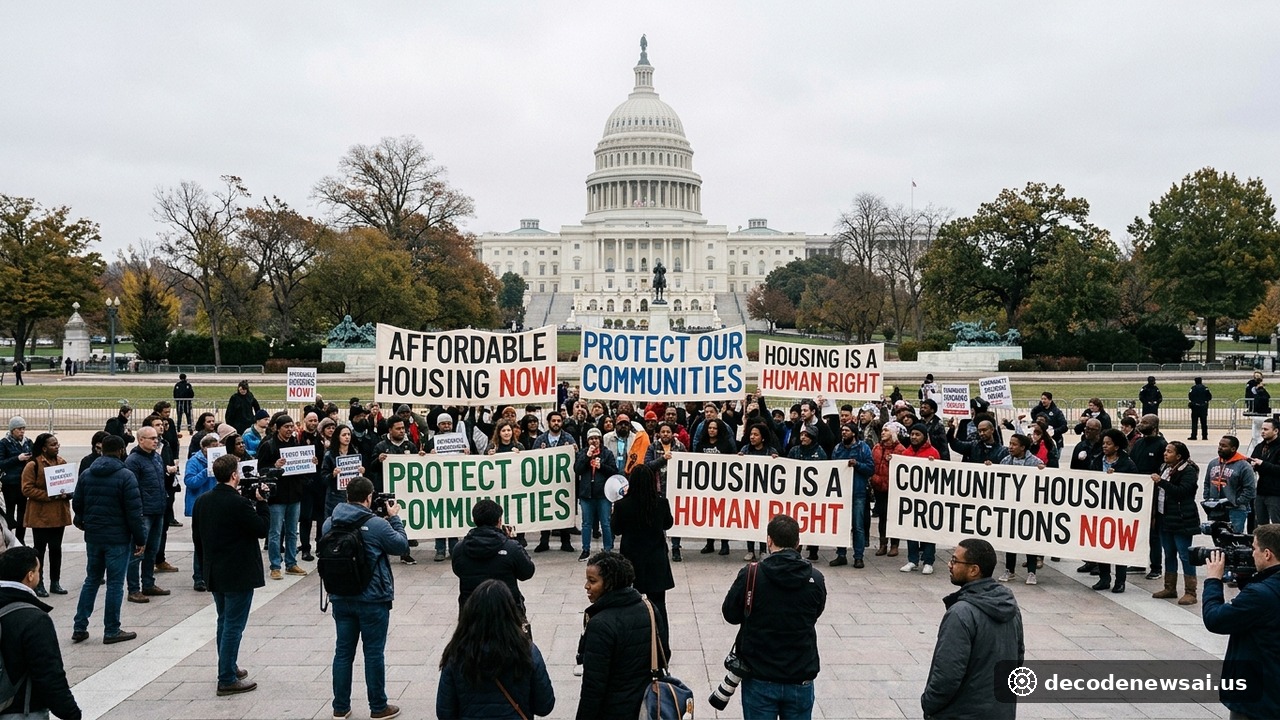
The Low Income Home Energy Assistance Program emerged as a critical flashpoint across both chambers. Bipartisan delegations representing cold-weather states in the Northeast and Midwest intensified pressure on legislative leadership. With volatile heating oil prices threatening household budgets, advocates warned that failing to release remaining federal assistance would endanger vulnerable populations. Negotiators are currently reviewing compromise proposals.
Those proposals would attach targeted emergency funding directly to the broader stopgap vehicle. A House energy policy coalition representative stressed on Capitol Hill: "Both parties understand the catastrophic cost of a shutdown, but any stopgap measure must include firm commitments for essential infrastructure and heating programs."
Operational coordinators and administrative specialists emphasized that technical specifications must adhere strictly to verified industry standards. Working groups conducted comprehensive risk assessments. They sought to anticipate potential regulatory friction points during initial commercial integration. Market participants across public and private sectors voiced strong support for standardized procedural rules.
Clear oversight mitigates operational vulnerabilities, they noted.
Legislative Calendar Heads Toward Final Showdown
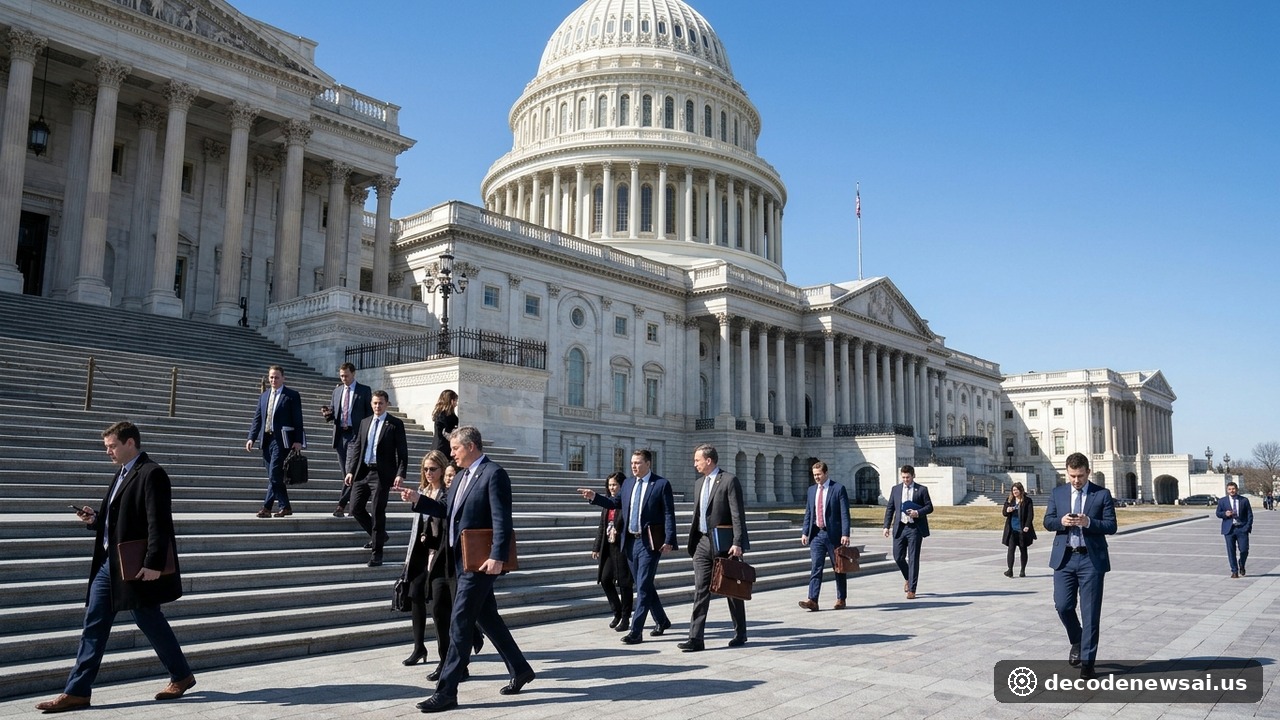
Congressional leaders scheduled additional bilateral sessions over the next forty-eight hours. Those sessions will finalize statutory text. The House Rules Committee prepared to advance the legislative framework toward floor consideration by Thursday afternoon. Meanwhile, Senate leadership signaled readiness to take up the package immediately.
The goal is to avert a partial government shutdown. Both parties recognize that a funding lapse would disrupt essential regulatory oversight and federal operations nationwide.
Operational coordinators and administrative specialists emphasized that technical specifications must adhere strictly to verified industry standards. Working groups conducted comprehensive risk assessments. They sought to anticipate potential regulatory friction points during initial commercial integration. Market participants across public and private sectors voiced strong support for standardized procedural rules.
Clear oversight mitigates operational vulnerabilities, they noted.
Strategic planning advisors and international trade specialists noted that long-term intergovernmental frameworks generate predictable operating environments across key industry sectors. By coupling transparent administrative guidelines with rigorous scientific benchmarks, regulatory bodies and enterprise leaders establish sustainable operating models capable of withstanding shifting macroeconomic dynamics. Global market participants will continue observing forthcoming implementation milestones as public agencies execute their mandated responsibilities throughout 2027. Cross-border coordination remains vital for driving sustained operational resilience and delivering measurable societal benefits worldwide.
Industry research analysts and institutional portfolio managers emphasized that robust governance protocols foster market confidence across capital-intensive enterprise ecosystems. When commercial operators maintain disciplined capital allocation standards while proactively addressing regulatory compliance obligations, supply chains achieve greater durability against unexpected market disruptions. Financial institutions and institutional investors plan to scrutinize quarterly audit disclosures closely as the revised policy provisions take full effect across jurisdictional territories.