The United States Department of the Treasury's Office of Foreign Assets Control (OFAC) officially announced on November 6, 2026, a major multinational sanctions enforcement action designating eight Canadian money services businesses (MSBs) and associated key facilitators under the coordinated multi-agency initiative known as "Operation Economic Outcast." Conducted in close operational coordination with the Financial Crimes Enforcement Network (FinCEN), Treasury determined that these non-bank financial intermediaries functioned as critical financial conduits for the Iranian regime, the Islamic Revolutionary Guard Corps (IRGC), and affiliated regional militant proxies, funneling hundreds of millions of dollars through shadow banking networks and digital asset rails to evade international sanctions. Concurrently, FinCEN issued special enforcement measures severing cryptocurrency exchange MEXC Global from accessing the United States financial system.
What Are the Core Operational Metrics and Institutional Designations in Operation Economic Outcast?
- Canadian Registered Financial Entities Designated by OFAC: 8 Regulated Money Services Businesses (MSBs)
- Aggregate Shadow Capital Funneled for Iranian State Networks: Hundreds of Millions of USD (Crude and Weapons Procurement)
- Bilateral Intelligence Coordination and Financial Oversight Bodies: U.S. FinCEN and Financial Transactions Reports Analysis (FINTRAC)
Secretary of the Treasury Scott Bessent articulated the strategic objective of the enforcement blitz in an official statement: "The Iranian regime relies extensively on sophisticated, layered illicit financial networks operating across Western democracies to fund its destabilizing regional proxy conflicts and advance its sensitive weapons programs. Today's coordinated actions deliver an unmistakable warning to third-party financial intermediaries, currency exchanges, and digital asset venues worldwide: facilitating transaction laundering for designated state actors will result in total severance from the United States financial ecosystem."
How Did Shadow Banking Hawala Networks and Cryptocurrency Exchanges Circumvent Sanctions?
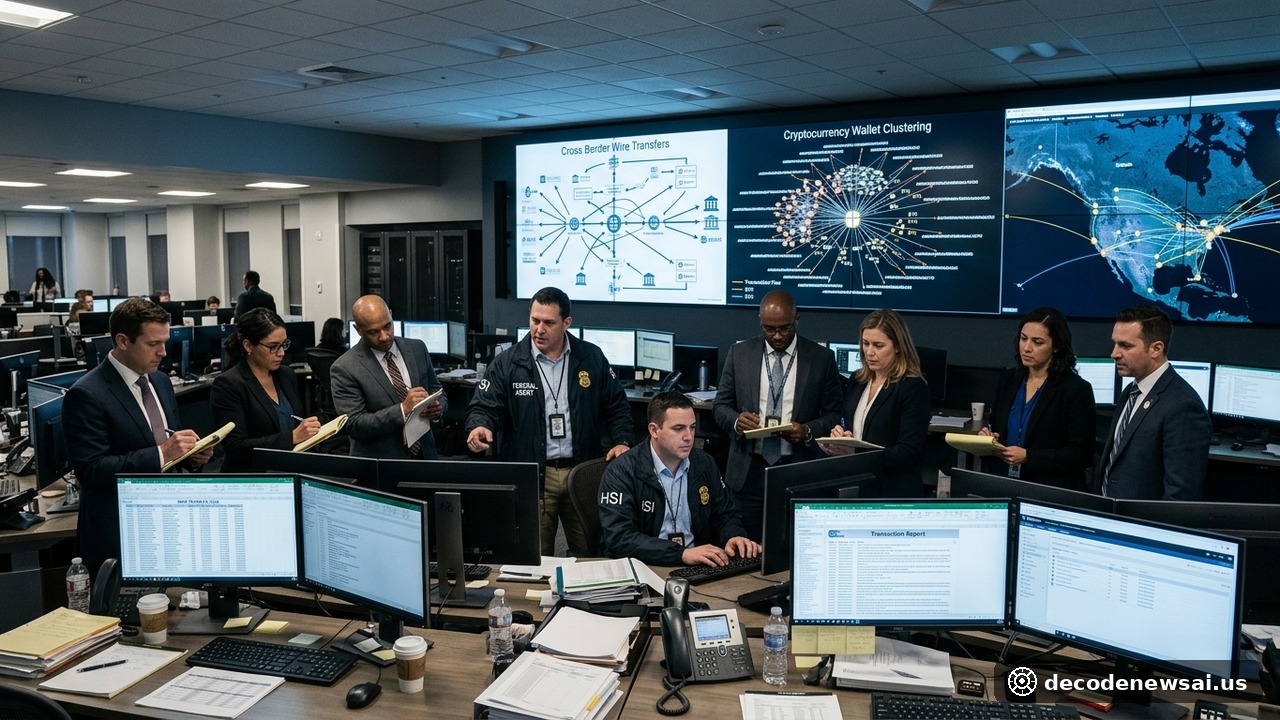
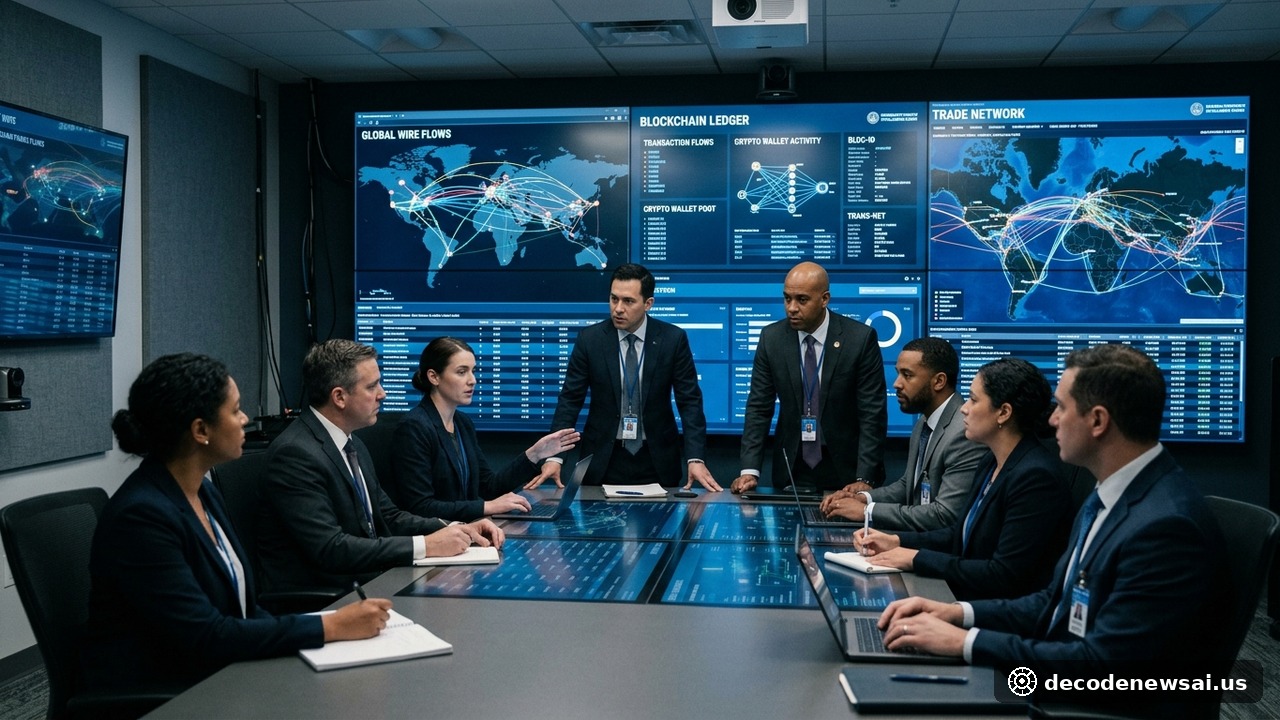
Detailed investigative findings released by the Treasury Department reveal a multi-tiered money-laundering pipeline bridging conventional informal banking with modern decentralized blockchain finance.
The designated Canadian money services businesses operated outwardly as licensed, compliant storefront remittance houses catering to diaspora communities in Toronto and Vancouver. Beneath this commercial veneer, operators maintained complex "Hawala" informal value transfer networks linked directly to Iranian state-backed financial front companies. Illicit revenues derived from sanctioned Iranian crude oil shipments were converted into dollar-pegged stablecoins (USDT) and routed through non-compliant, offshore cryptocurrency exchanges such as MEXC Global, which systematically failed to enforce customer identification (KYC) standards. The laundered digital assets were subsequently liquidated into Canadian dollars and U.S. currency by the Canadian MSB network, ultimately disbursing capital to sham procurement procurement companies purchasing sensitive dual-use aerospace electronics.
National security legal scholars pointed out that the strategic coordination between FinCEN and Canada's FINTRAC illustrates the evolving doctrine of economic statecraft, where regulatory financial actions serve as the primary line of deterrence against state-sponsored illicit networks. By targeting informal remittance channels and non-compliant offshore digital asset exchanges simultaneously, the multi-agency operation disrupts the underlying financial infrastructure that rogue regimes rely upon to sustain overseas influence operations.
What Strategic Repercussions Does This Action Pose for Cross-Border Regulatory Cooperation?
Treasury's direct extraterritorial designation of entities situated within a key G7 ally underscores Washington's escalating intolerance for regulatory asymmetry in global anti-money laundering (AML) frameworks.
For years, congressional national security committees have scrutinized structural enforcement gaps within Canada's non-bank financial sector, arguing that lax registration requirements allowed foreign illicit capital to exploit domestic money services businesses. By executing this joint action in coordination with Canada's FINTRAC under Financial Action Task Force (FATF) standards, the United States signals a renewed determination to enforce rigorous compliance across allied jurisdictions. Furthermore, by formally classifying MEXC Global as a primary money laundering concern under Section 311 of the USA PATRIOT Act, global financial institutions will terminate corresponding banking access, establishing a decisive precedent that digital asset exchanges facilitating sovereign sanctions evasion cannot coexist alongside compliant international capital markets.