What Are the Certified Electoral Metrics and Delegation Seat Totals in Wisconsin?
- Post-Certification Congressional Delegation Partisan Ratio: 4 Democrats to 4 Republicans (Previously 2D-6R Breakdown)
- Winning Margin Achieved in Contested WI-3 Rural Congressional Race: Approximately 1.4 Percentage Points (Exceeding 4,200 Votes)
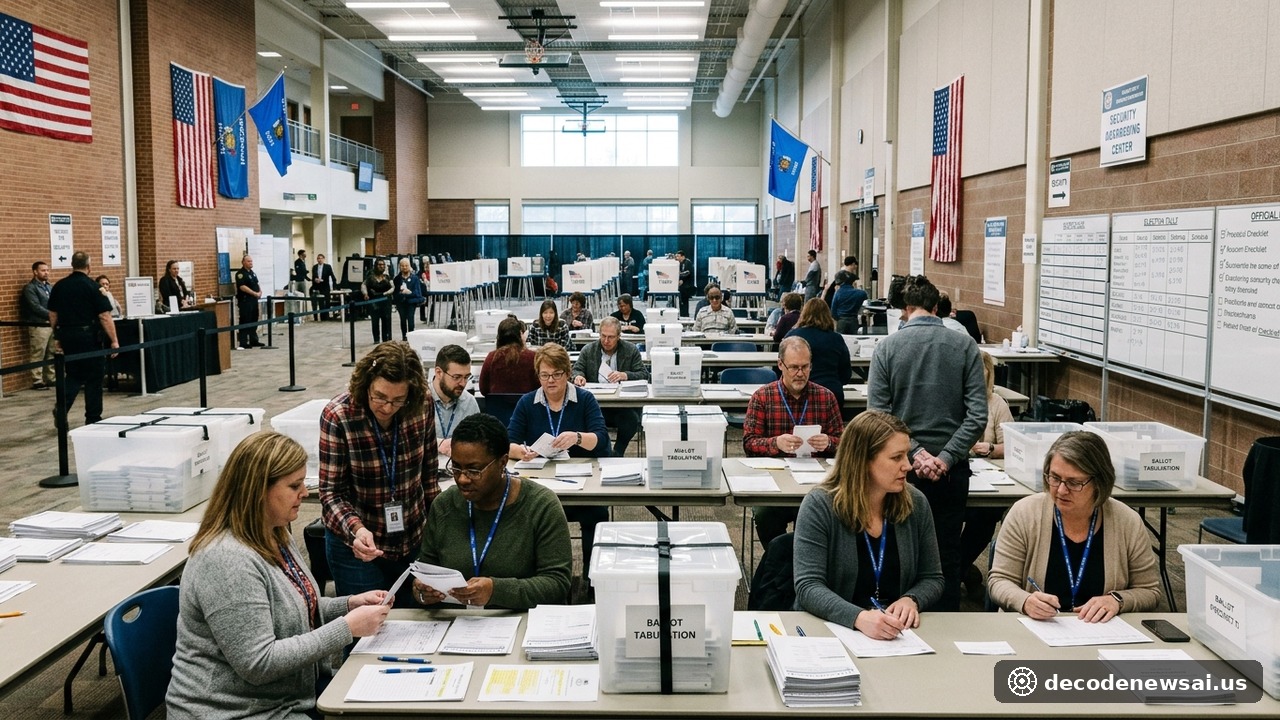
- Composite Voter Turnout Recorded Across Key Swing Suburban Counties: Reached 64.8 Percent (Setting Modern Midterm State Record)
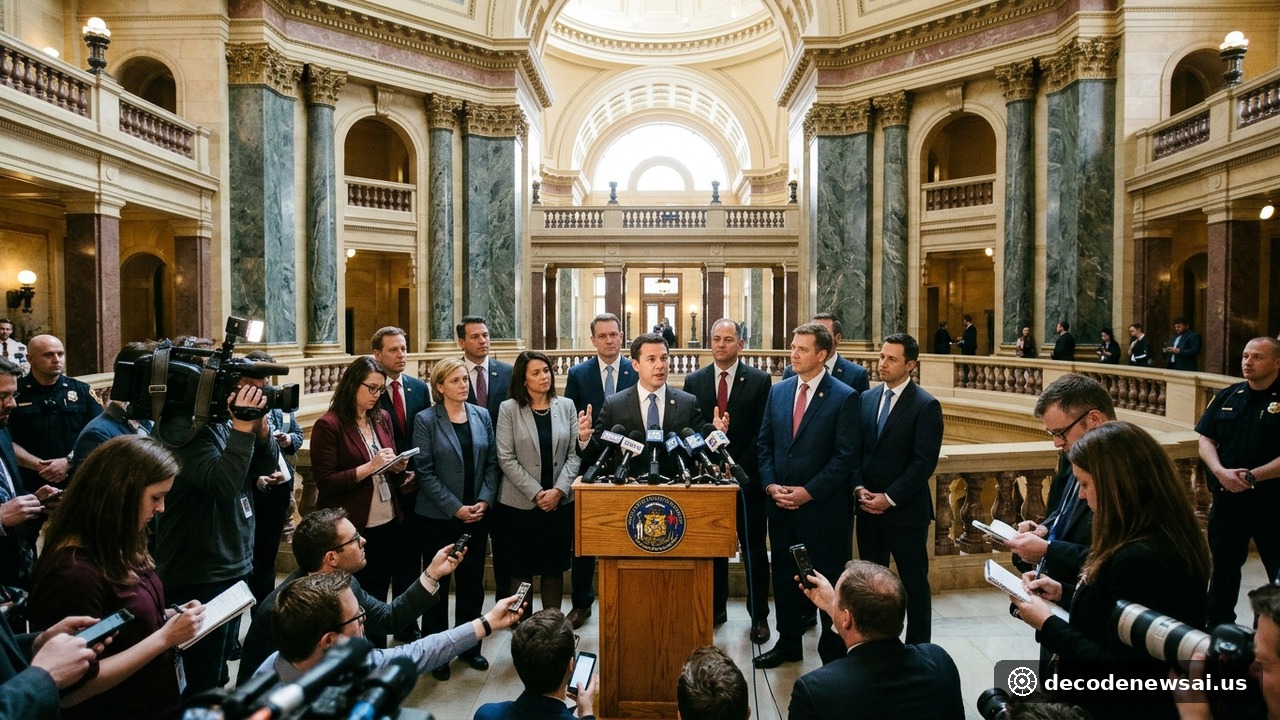
Chair of the Democratic Party of Wisconsin hailed the outcomes during a celebration rally in Milwaukee: "Tonight's certified results reflect a resounding mandate from working families across our state. From rural agricultural hubs along the Mississippi River valley to manufacturing corridors in Kenosha and Racine, voters firmly rejected gridlock and prioritized affordable healthcare, community infrastructure, and economic protection for Midwestern laborers. Flipping these two pivotal seats re-establishes a balanced Wisconsin voice in the House and affirms our commitment to pragmatic governance." Concurrently, Republican strategists indicated ongoing reviews of provisional ballots and statutory canvassing procedures across several rural municipalities.
How Did Suburban Realignment and Blue-Collar Outreach Reshape the Rust Belt Battlefield?
The simultaneous flipping of WI-1—historically recognized as the conservative stronghold formerly represented by former House Speaker Paul Ryan—and WI-3, which spans broad rural expanses in western and central Wisconsin, illustrates a profound structural realignment across the Rust Belt electorate.
In the 1st District, rapid residential development tied to expanding technological logistics and manufacturing corridors has introduced thousands of college-educated suburban professionals whose voting patterns increasingly diverge from traditional Republican orthodoxy. Meanwhile, in the 3rd District, the Democratic campaign deliberately steered clear of polarizing national cultural debates, executing an intensely localized campaign centered on federal dairy support, expanded rural broadband funding, veterans' healthcare access, and regional transportation upgrades. This disciplined operational framework successfully peeled away crucial working-class constituencies that had supported conservative candidates in previous election cycles.
Electoral demographers analyzing turnout patterns across southeastern Wisconsin emphasized that independent voters broke decisively for pragmatic candidates prioritizing pocketbook stability over partisan rhetoric. Elevated participation among college students and young professionals residing in emerging suburban housing subdivisions offset traditional conservative turnout margins in outlying rural townships.
Furthermore, state campaign finance disclosures revealed that decentralized small-dollar fundraising networks allowed challengers to compete on television and digital advertising parity without relying entirely on national party committee expenditures, establishing a scalable operational blueprint for competitive Midwestern congressional districts in future electoral cycles.
What Legislative Ramifications Will a Razor-Thin House Majority Face in Washington?
As remaining recounts and vote certifications conclude in California and New York, the incoming House majority will likely operate with a razor-thin margin of fewer than five votes. Under such acute structural equilibrium, House leadership will lack the numerical cushion to advance legislation along party-line votes, granting outsized leverage to bipartisan problem-solving caucuses while rendering federal appropriations, farm bill reauthorizations, and trade policy vulnerable to procedural disruption. Wisconsin's evenly divided congressional delegation serves as an emblem of a deeply polarized nation where pragmatic compromise and tactical discipline will determine federal governance.