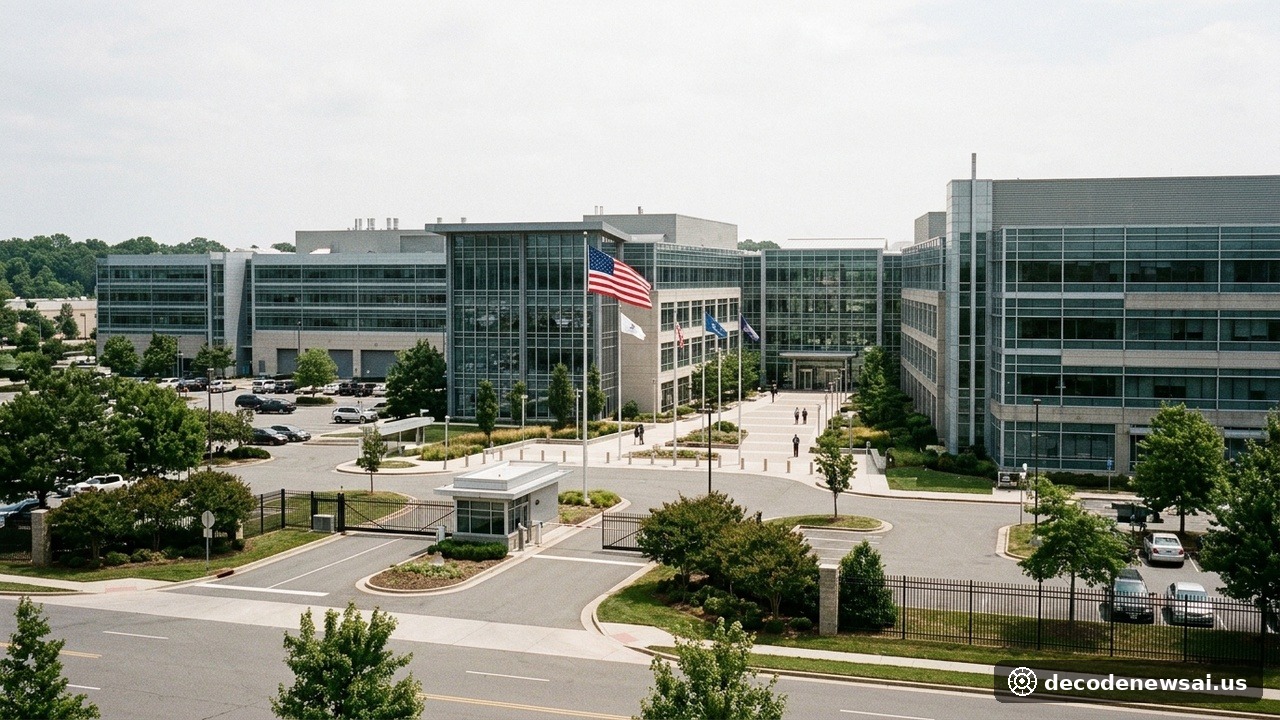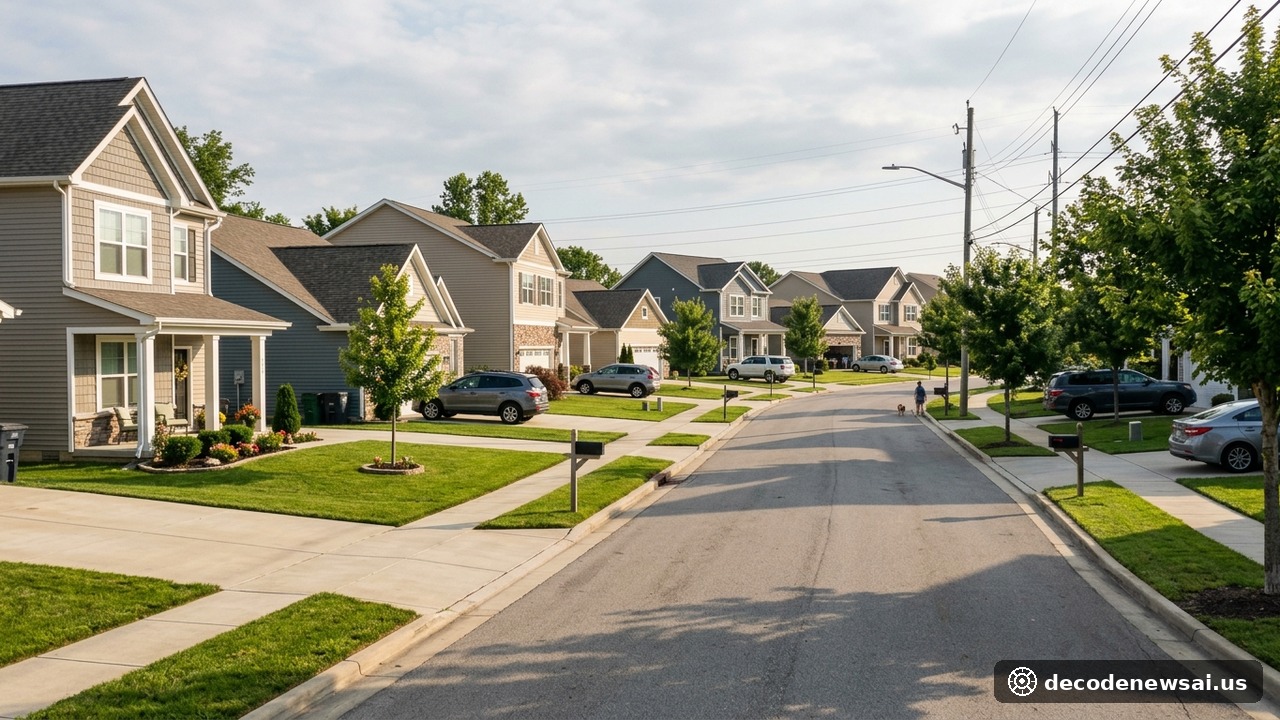
- Portfolio Scale Under Review: Over 90,000 single-family rental homes nationwide
- Mandatory Pricing Reforms: Permanent injunction against deceptive drip pricing;Clear disclosure of all-inclusive total monthly base rent
FTC and states allege hidden fees and deposit abuses
Progress Residential, one of the nation's largest corporate landlords managing single-family rental houses, alongside its private equity parent company Pretium Partners, has agreed to pay $49.75 million to resolve allegations brought by the Federal Trade Commission and four state attorneys general. The enforcement action targeted the company's systematic deployment of deceptive rental rate advertising, hidden mandatory monthly fees, and the widespread, unlawful retention of tenant security deposits across thousands of residential properties nationwide.
According to the joint complaint filed in federal district court, Progress Residential engaged in deceptive pricing practices that misled prospective tenants throughout their home search process. The corporate landlord prominently marketed attractive baseline rental rates on prominent real estate aggregation portals to solicit leasing applications. Once prospective tenants entered into binding contractual agreements, however, the operator tacked on a series of mandatory monthly surcharges—such as mandatory smart-home technology charges, compulsory resident service packages, and unsubstantiated utility administration fees—inflating real monthly housing costs by hundreds of dollars above the represented price.
Federal investigators also uncovered systemic abuses in the operator's end-of-lease security deposit accounting practices. The complaint detailed how Progress Residential deployed automated billing systems that routinely deducted unwarranted cleaning, painting, and maintenance charges from outgoing residents' deposits. In numerous documented instances, the landlord charged tenants for ordinary wear and tear or pre-existing structural deficiencies, improperly zeroing out their deposits and turning security deposit balances into unexpected debt collection claims against vulnerable working-class households.
Settlement mandates all-inclusive rent and deposit documentation
Under the comprehensive settlement terms, Progress Residential must remit $48.5 million directly to the Federal Trade Commission to establish an administrative consumer redress fund. The agency will distribute these proceeds via direct restitution payments to tenants subjected to deceptive fee additions and improper deposit withholdings. An additional $1.25 million will be apportioned among the state attorneys general of Arizona, Colorado, Indiana, and Utah to reimburse investigative expenses and support state-level consumer protection enforcement initiatives.
Beyond monetary remedies, the court order imposes stringent operational restrictions on the corporate landlord's nationwide leasing portfolio. Progress Residential is permanently enjoined from misrepresenting rental costs and must present an all-inclusive total monthly rental price in all future promotional materials and leasing solicitations. The company must also overhaul its security deposit dispute mechanisms, requiring detailed photographic documentation and standardized itemized repair estimates before any security funds can be withheld, establishing a new regulatory benchmark for the institutional residential rental sector.
Consumer finance attorneys and fair housing advocates emphasized that the landmark regulatory consent decree signals an aggressive, coordinated federal and state enforcement posture against unfair and deceptive practices in the corporate residential real estate industry. By targeting both the property management operating arm and its private equity sponsor, regulatory enforcers established that asset owners cannot insulate themselves from accountability by outsourcing deceptive marketing practices or algorithmic fee generation to automated property management software. The mandated pricing transparency standards are expected to reverberate across regional rental markets, forcing competing institutional landlord syndicates to eliminate unbundled fee structures, standardize move-out inspections, and provide tenants with authentic, verifiable accounting records.