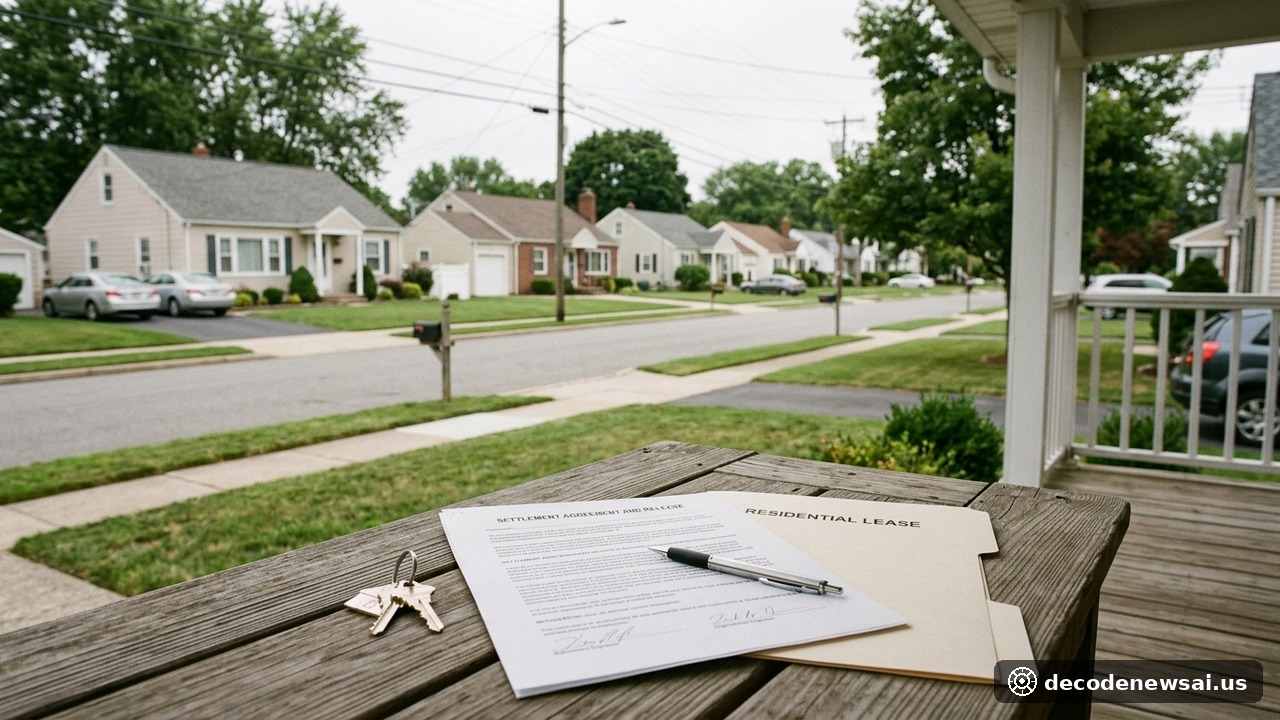
The Federal Trade Commission partnered with attorneys general from seven states to launch a landmark civil enforcement lawsuit against restaurant technology giant Toast Inc. Filed in the United States District Court for the Northern District of California under docket number 3:26-cv-12705, the complaint alleges deceptive commercial practices. Regulators target practices affecting nearly two hundred thousand restaurant operators nationwide. The company concealed recurring software costs. The joint federal-state legal action targets deceptive subscription traps within business-to-business commerce.
According to extensive legal filings, Toast aggressively advertised supposedly zero-dollar point-of-sale hardware bundles to solicit merchant contracts. Once onboarded, independent restaurant operators were locked into expensive mandatory software subscriptions with unauthorized automatic recurring fees. Small restaurant operators experienced mounting operating costs. Government regulators emphasized that Toast quietly imposed a ninety-nine-cent processing fee on certain online customer orders exceeding ten dollars between 2021 and 2023.
Bureau of Consumer Protection leadership at the FTC emphasized the agency's strict enforcement mandate: "Toast fundamentally failed to honor its explicit commercial promises made to small businesses across the nation. Imposing hidden charges, billing unapproved add-on subscriptions, and creating deceptive cancellation barriers violates federal consumer statutes. Regulators will aggressively seek restitution for affected operators."
Restaurant merchants attempting to cancel services encountered severe contractual roadblocks. Judicial records document that Toast imposed intricate cancellation protocols and enforced prohibitive early-termination penalties buried within complex digital contract terms. Merchants faced sustained operational hurdles. To avoid catastrophic financial penalties, numerous independent restaurants were coerced into maintaining costly subscription services they actively sought to terminate.
Seven states join FTC suit against Toast
Attorneys general representing Colorado, Florida, Illinois, Iowa, Nebraska, Oklahoma, and Utah joined the federal complaint alongside California municipal prosecutors. State enforcement authorities emphasized that statutory protections against deceptive trade practices extend to vulnerable small business operators. Inter-agency collaboration functioned seamlessly. The litigation marks one of the most prominent federal enforcement actions applying the Restore Online Shoppers' Confidence Act to commercial agreements.
Antitrust and commercial competition scholars observed that business-to-business software ecosystems increasingly display predatory lock-in dynamics. Technology platforms frequently subsidize upfront terminal hardware to capture market share, subsequently leveraging closed APIs and proprietary payment processing pipelines to extract recurring rents. Fair market competition suffers. The judicial outcome will establish critical transparency baselines for subscription pricing across enterprise cloud architectures.
Restaurant trade federations and small business councils voiced strong support for the government lawsuit. Industry representatives urged the federal court to halt deceptive fees and mandate friction-free contract cancellation options. Small businesses demand transparent operating environments. Independent restaurant owners seek judicial restitution for funds extracted through non-disclosed transaction fees.
Toast vows to defend sales practices in court
Regional restaurant trade associations across multiple states are coordinating collective restitution filings for affected independent merchants. Numerous hospitality operators stated that non-disclosed order fees inflated consumer guest checks while generating unwarranted consumer backlash against local dining establishments. Commercial reputation suffered measurably. Independent operators seek comprehensive injunctive relief to eliminate deceptive recurring billing practices across enterprise software providers.
Antitrust scholars and corporate governance specialists emphasized that predatory rent extraction by digital intermediaries is facing coordinated regulatory countermeasures. From municipal food delivery fee caps to federal point-of-sale billing investigations, transparent commercial governance enjoys broad bipartisan legislative consensus. Commercial integrity requires strict transparency. Enterprise software platforms must compete through genuine operational efficiency rather than hidden customer billing traps.
Toast corporate leadership issued initial statements confirming plans to defend its sales and service practices in court. As pretrial proceedings commence in Northern California, legal teams will present detailed evidence regarding contracting disclosures and merchant complaint volumes. The judicial trial draws intense industry attention. The regulatory action will reshape commercial software pricing and contract transparency across digital hospitality networks.