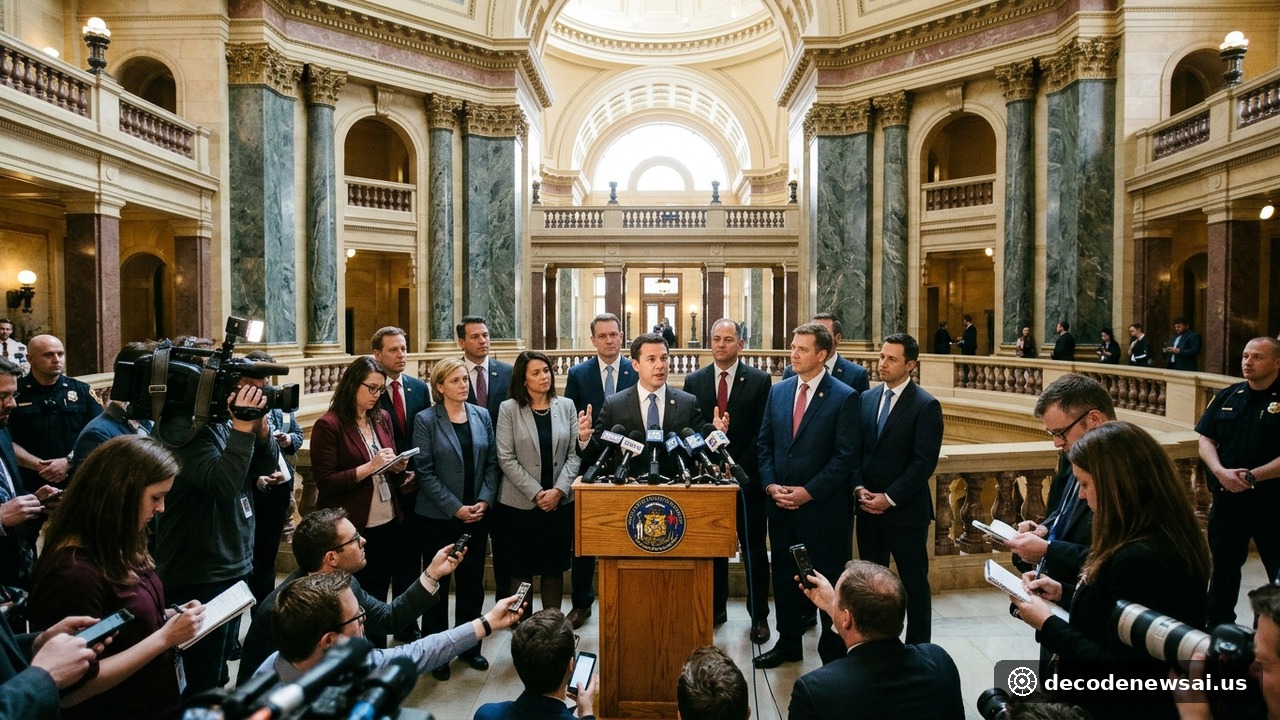
Wisconsin Governor-elect David Crowley announced on November 10, 2026, that he will promptly sign legislation establishing redrawn congressional district boundaries if approved by the incoming Democratic legislative majority early next year. Speaking during a broadcast interview with WISN 12's "UpFront" news program, Crowley confirmed his commitment to replacing the state's controversial electoral maps. Crowley's historic victory in the November 2026 midterm election made him the first African American elected governor of Wisconsin, coinciding with Democratic majorities across both chambers of the state legislature.
Crowley makes redistricting a primary legislative priority
The public declaration establishes redistricting reform as a primary legislative priority for the incoming state administration in Madison.
Wisconsin's congressional map has been contested for more than a decade, with civic reform organizations arguing that previous boundary lines disproportionately favored Republican candidates. Addressing television viewers during the broadcast, Crowley stated: "Right now our focus remains on assembling an effective transition team to deliver results for working families across Wisconsin. But to be completely definitive on this issue, if fair districting legislation reaches my desk, I will sign it into law."
Crowley emphasized that enacting updated electoral maps will restore competitive parity and ensure equitable legislative representation reflecting changing demographic patterns across urban and rural counties.
Republican legal resistance to Wisconsin redistricting roadmap
The legislative roadmap faces immediate legal resistance from state Republican leadership. GOP lawmakers asserted that rapid redistricting maneuvers undermine statutory continuity and announced preparations to file legal challenges in both the Wisconsin Supreme Court and federal district courts once draft legislation is introduced. Legal advisors representing both political parties are reviewing precedent cases concerning state constitutional redistricting authorities.
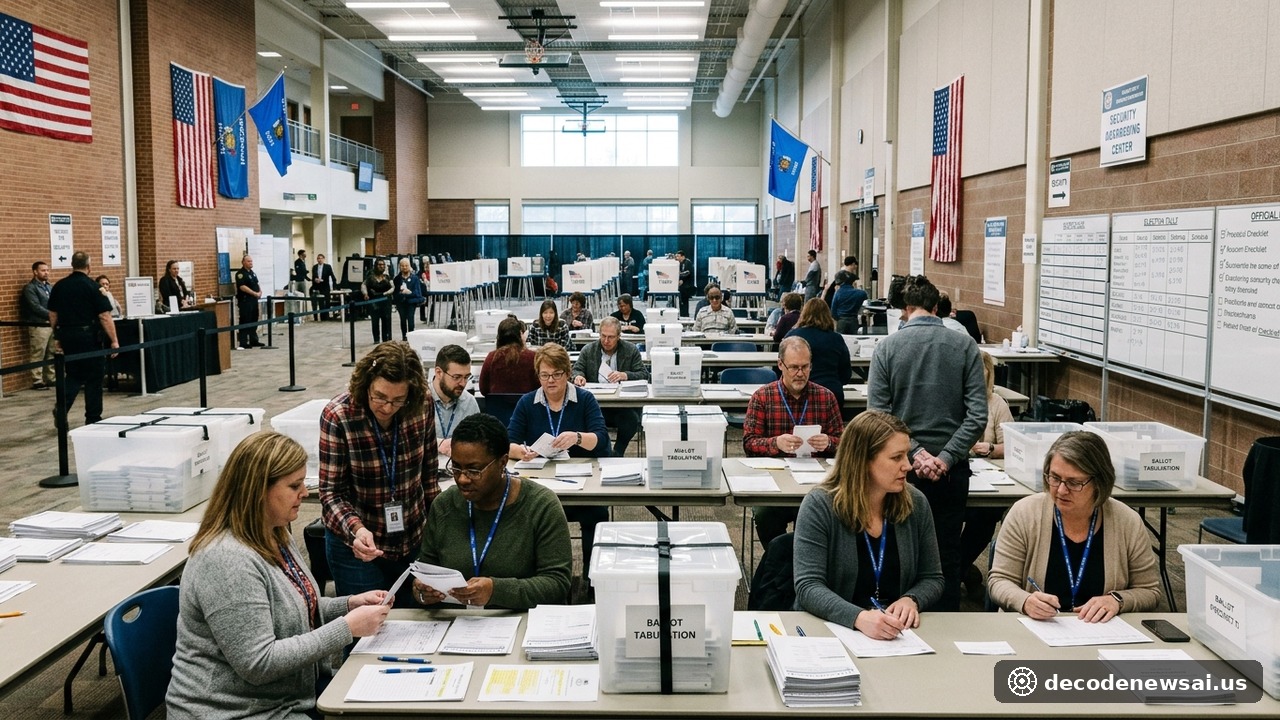
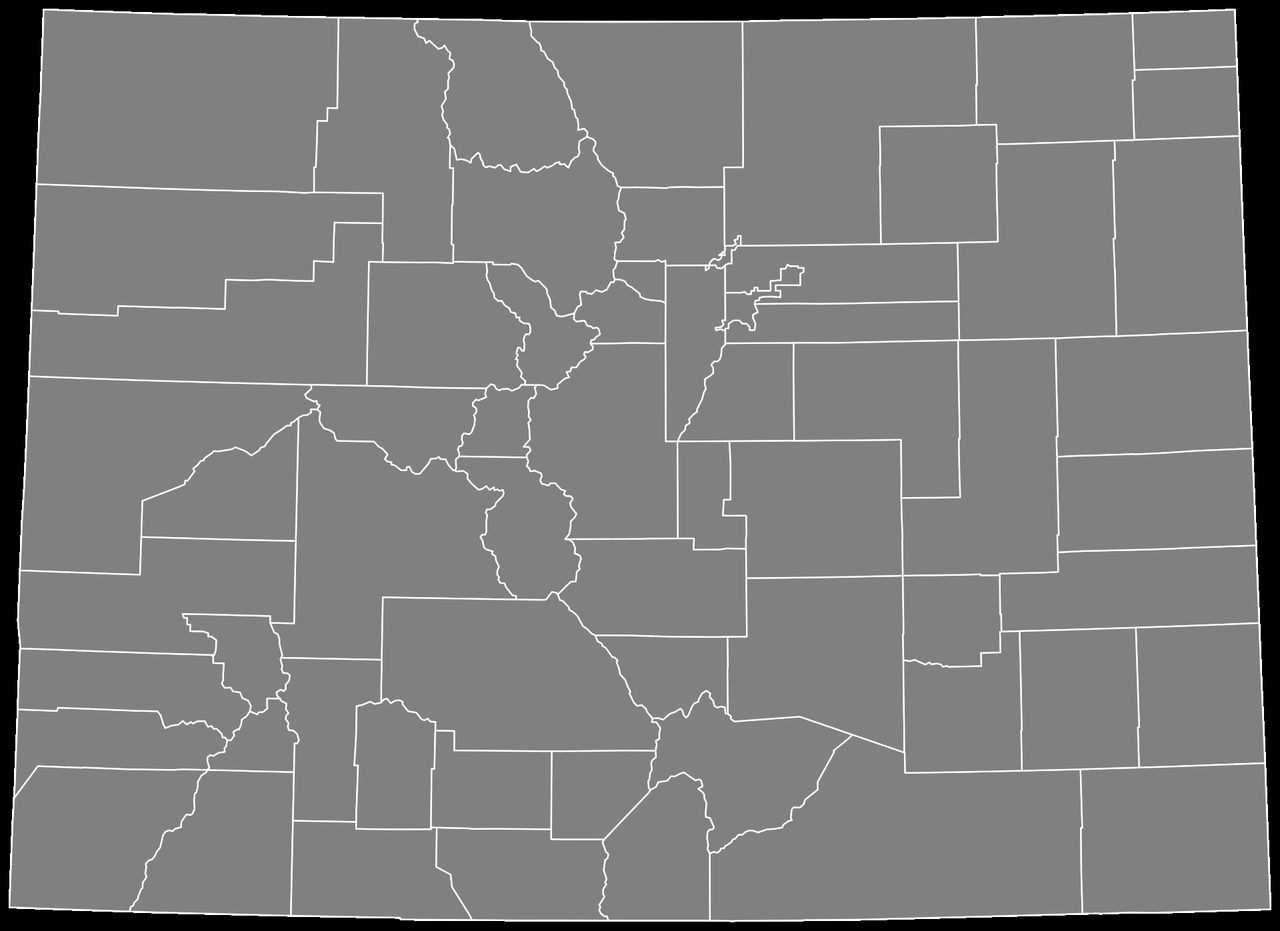
Political scientists highlighted that altering Wisconsin's eight federal congressional districts could directly influence the national balance of power in the United States House of Representatives. Nonpartisan voting rights coalitions welcomed the executive commitment, urging the legislature to conduct open public hearings across the state to guarantee transparency throughout the mapping process.
State legislative researchers and political geography analysts noted that congressional redistricting initiatives fundamentally determine the competitive balance of federal legislative representation for entire decades. Because state legislatures possess primary constitutional authority to establish congressional district boundaries, collaborative governance between executive leadership and legislative majorities ensures that district maps accurately reflect ongoing demographic shifts across urban, suburban, and rural communities. Nonpartisan voting advocacy organizations encouraged state lawmakers to conduct accessible public hearings to gather broad citizen feedback. Legal teams representing both political parties confirmed that preparations are underway to address potential statutory appeals before state courts.
Independent districting criteria and public hearings praised
Urban demographic researchers and voting rights advocates highlighted that independent districting criteria ensure equitable community representation across municipal boundaries. Because economic and population growth alter community profiles over decennial census cycles, updating legislative district boundaries aligns elected representation with local resident needs. State civic coalitions commended the collaborative engagement between state leadership and regional stakeholders, anticipating that comprehensive public hearings will establish balanced, durable congressional maps for upcoming election cycles.
In addition, state election law researchers affirmed that predictable redistricting timetables provide essential clarity for county clerks and local voters alike. Civic coalitions anticipate that transparent public review will establish a reliable framework for future state legislative maps.
Furthermore, regional civic groups underlined that robust community engagement fosters widespread public trust in democratic electoral processes. Advocacy organizations look forward to active participation throughout the upcoming legislative districting sessions.
Mapping software and open public channels for civic trust
State election administrators confirmed that modern boundary mapping software will provide transparent district visualizations for the public. Community advocates look forward to constructive legislative deliberations that honor democratic principles and statutory voting rights.
Both Democratic and Republican party officials affirmed that maintaining open public channels remains essential for civic trust. Independent observers look forward to following the progress of the redistricting legislation over the coming legislative term.