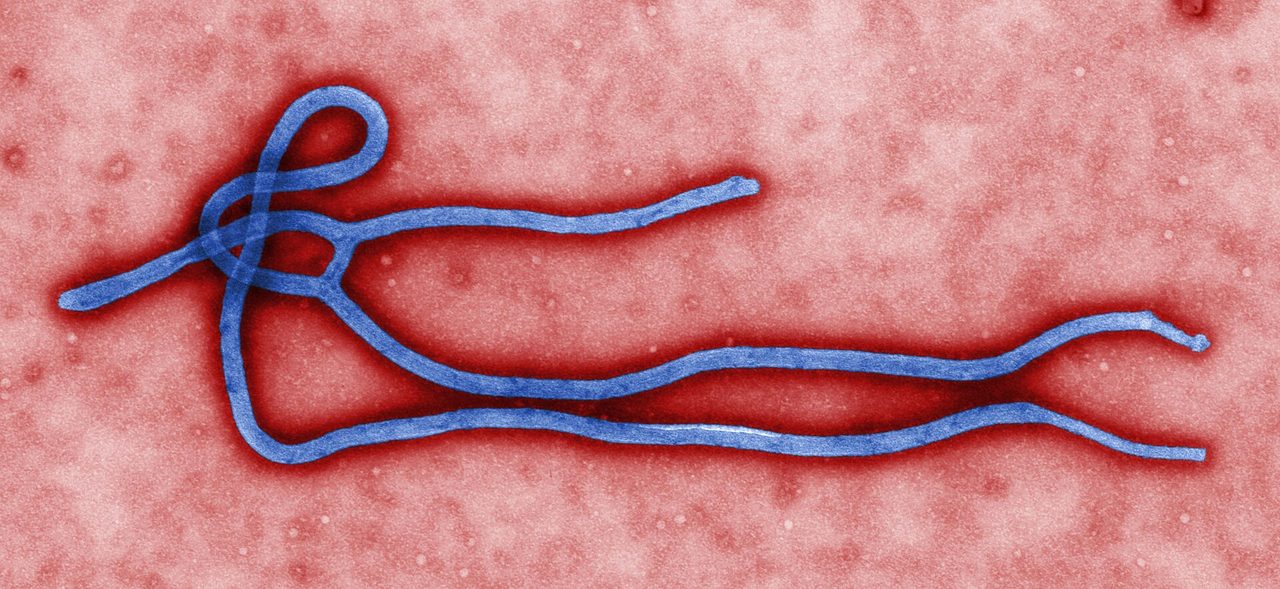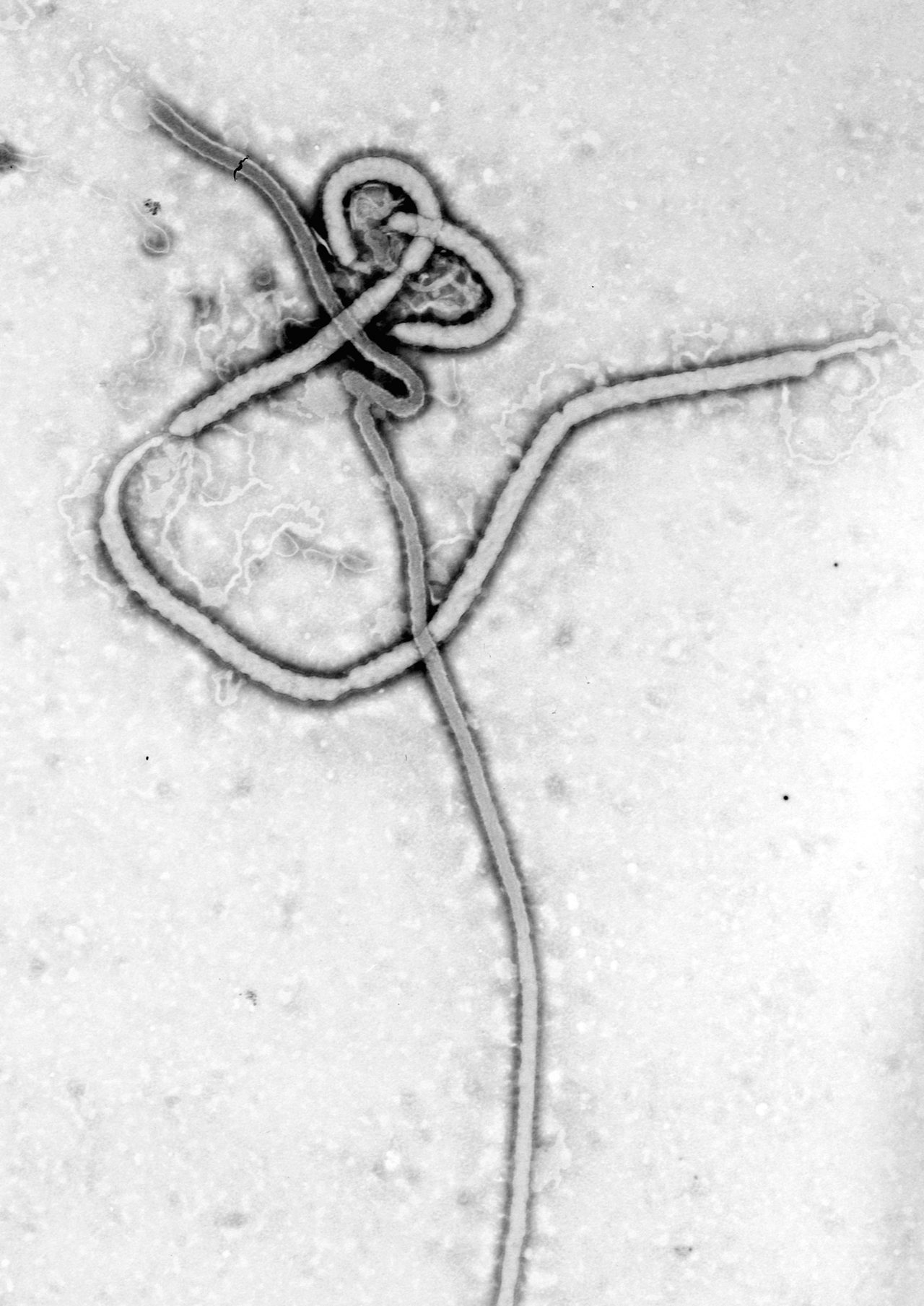
The World Health Organization and the Africa Centres for Disease Control and Prevention confirmed a recognized outbreak of Bundibugyo ebolavirus across the Democratic Republic of the Congo on November 6. Epidemiological dashboards documented 28 confirmed and probable hemorrhagic fever infections across rural districts. Fourteen patient fatalities have been recorded to date. International public health agencies elevated surveillance readiness to coordinate field response logistics. Regional border health authorities tightened passenger screening protocols.
Bundibugyo strain lacks licensed vaccines and cross-protection
The epicenter spans forested communes within the country's eastern health zones. Local health clinicians flagged unusual clusters of acute febrile illness accompanied by severe abdominal pain, sudden prostration, and mucosal hemorrhage in late October. Patient blood specimens processed by the National Institute of Biomedical Research in Kinshasa yielded positive polymerase chain reaction confirmations for the Bundibugyo species. The detection represents the first major localized outbreak associated with this specific ebolavirus subtype in several years.
Global virologists cautioned that standard licensed vaccines, including Ervebo, were engineered specifically to target the Zaire ebolavirus glycoprotein and do not confer cross-protective immunity against the Bundibugyo variant. In response, the World Health Organization coordinated with clinical trial consortia to position experimental monoclonal antibody candidates and multivalent vaccine lots. Mobile rapid-response epidemiology squads deployed to isolated farming settlements to trace transmission chains.
Mike Ryan, executive director of the WHO Health Emergencies Programme, addressed delegates during a Geneva briefing: "The Bundibugyo ebolavirus strain currently lacks licensed prophylactic counter-measures. Interrupting transmission chains relies upon exhaustive contact tracing, strict infection control protocols inside community health centers, and immediate supportive clinical care."
DRC screens transit routes as rains hinder relief deliveries
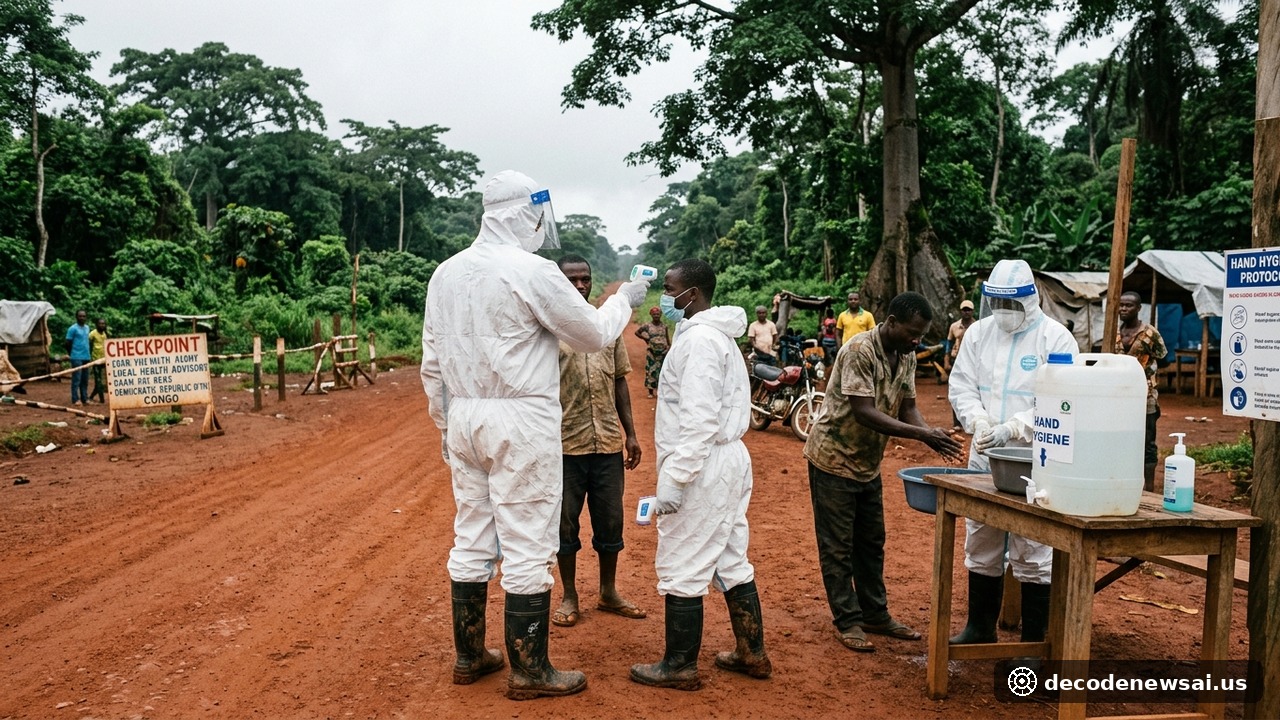
The Congolese Ministry of Public Health established thermal screening checkpoints along primary overland transit arteries connecting the outbreak zone to urban marketplaces. Public health authorities in neighboring Uganda and Rwanda placed frontier medical checkpoints on heightened alert. The United Nations Office for the Coordination of Humanitarian Affairs allocated emergency funding to dispatch personal protective supplies.
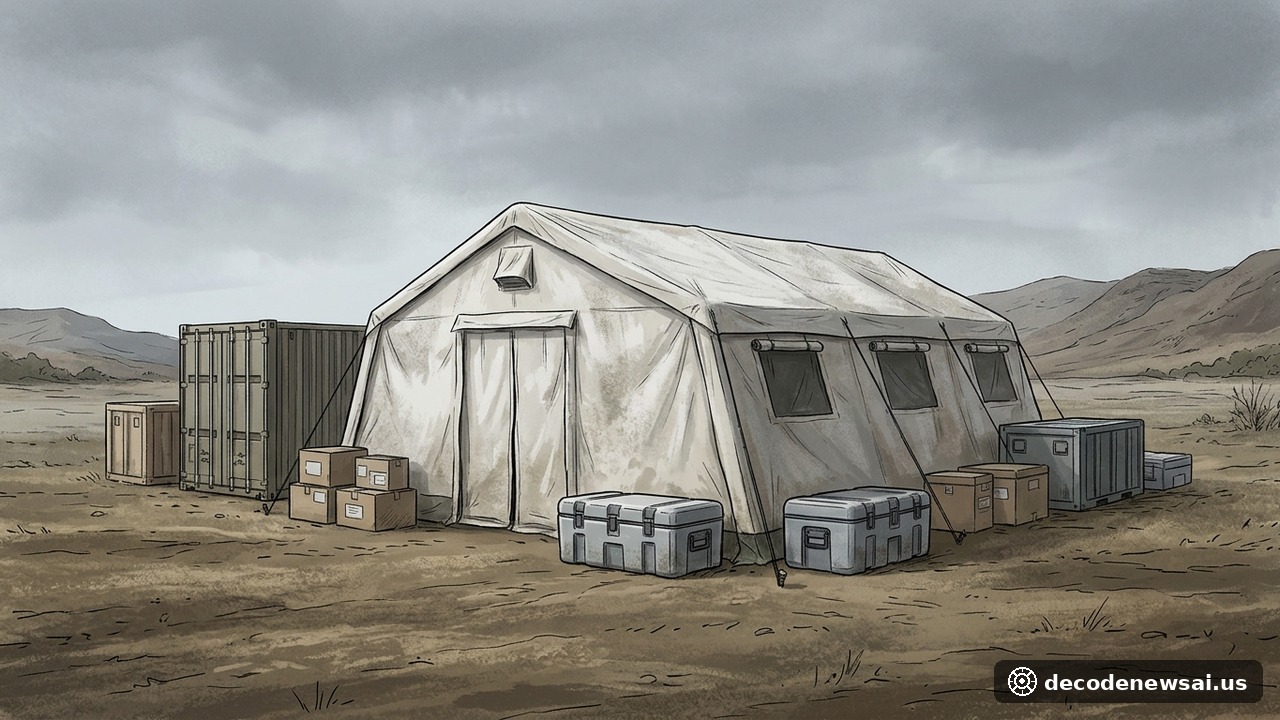
Field epidemiological surveys revealed that isolated rainforest geography presents acute logistical hurdles for humanitarian relief deliveries, as torrential seasonal rains wash out unpaved rural roads. The World Health Organization coordinated specialized all-terrain relief transports to shuttle clinical personal protective gear and intravenous rehydration packs to isolated treatment centers. Deployed medical workers provide round-the-clock intensive clinical supportive care. Community temperature checkposts operate uninterrupted.
International virology consortia are accelerating preclinical validation of broad-spectrum pan-ebolavirus vaccine formulations targeting the Bundibugyo species. Research institutions are evaluating monoclonal antibody efficacy across laboratory animal models. Given the elevated case fatality rate associated with the virus, regulatory authorities are preparing accelerated review protocols for candidate therapeutics. Global public health organizations pledged dedicated research funding to contain transmission.
CDC issues Level 2 travel notice for affected provinces
Cross-border health coordination networks across Central Africa established emergency liaison channels to synchronize epidemiologic surveillance across rural river transport corridors. Local community leaders and traditional village authorities are participating in mobile health education campaigns to promote early symptom reporting and safe burial practices. Mobile laboratory diagnostic trailers deployed by the Congolese national health ministry shortened sample turnaround times from days to hours, facilitating rapid patient triage and clinical isolation. Humanitarian relief organizations are airlifting vital medical hydration supplies to remote field clinics.
Global health emergency specialists underscored that rapid containment of localized hemorrhagic fever outbreaks relies on community trust and responsive healthcare infrastructure. Local health workers are conducting sensitive contact surveillance while distributing clean water sanitation kits across vulnerable rural villages. International health partners affirmed ongoing technical and logistical support to protect regional health security.
The United States Centers for Disease Control and Prevention issued an official Level 2 travel health notice advising humanitarian personnel to observe rigorous infection precautions in affected provinces. International airport transit gateways updated entry screening questionnaires for travelers arriving from Central Africa. Epidemiologists are monitoring hundreds of isolated community contacts over the standard 21-day incubation window to prevent urban secondary transmission.