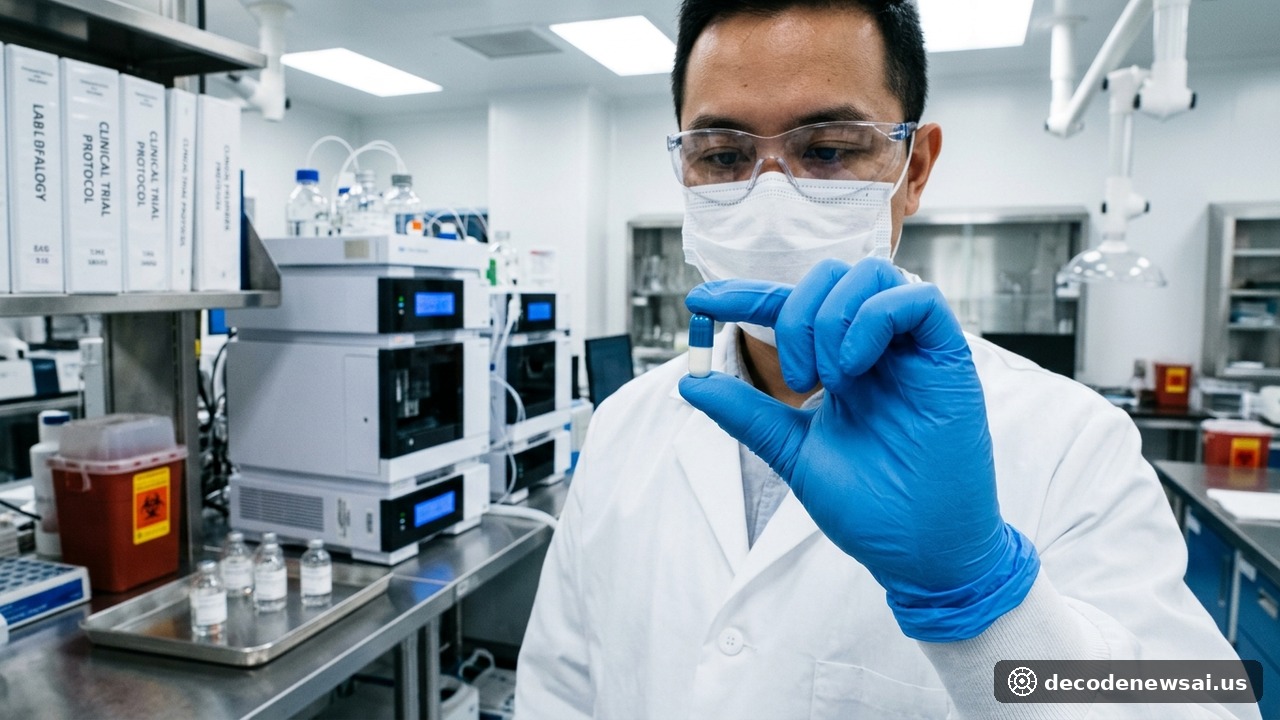
Biotechnology leader Vertex Pharmaceuticals published complete clinical results from its pivotal Phase 3 RAINIER trial in the New England Journal of Medicine on Thursday. The investigational dual-inhibitor fusion protein povetacicept met its primary efficacy endpoint in adult patients with primary immunoglobulin A nephropathy. Patients treated with the investigational therapy experienced a statistically significant 49.8 percent placebo-adjusted reduction in urine protein-to-creatinine ratio. The therapeutic benefit proved remarkable. Global nephrology specialists celebrated the milestone.
Povetacicept trial design and IgA nephropathy burden
The global multi-center randomized double-blind placebo-controlled study presented preliminary data at the American Society of Nephrology Kidney Week conference. The interim dataset evaluated an initial cohort of 199 enrolled adult participants with persistent pathological proteinuria. Patients received 80 milligrams of subcutaneous povetacicept or matching placebo once every four weeks. Efficacy assessments at Week 36 established clear therapeutic superiority. Data integrity remained spotless.
Immunoglobulin A nephropathy represents the most prevalent primary glomerular disease globally. The progressive autoimmune condition is driven by the mesangial deposition of galactose-deficient galactose-deficient immunoglobulin complexes. Without effective therapeutic intervention, approximately 50 percent of diagnosed patients progress to end-stage renal disease within two decades. Conventional management has historically relied on non-specific systemic immunosuppressants. Medical need remains critical.
Povetacicept functions as an engineered TACI-Fc fusion protein designed for dual immune cytokine suppression. The molecule inhibits both B-cell activating factor and a proliferation-inducing ligand. Dual pathway inhibition curtails autoantibody synthesis while preserving broad peripheral lymphoid compartments. Histological microinflammation inside glomeruli decreased substantially throughout the active cohort. The biological mechanism proved precise.
Investigator praise and secondary endpoint hematuria data
Clinical principal investigators commended the magnitude of renal marker stabilization achieved in the pivotal cohort. A lead trial investigator stated during the plenary presentation: "The clinical data demonstrate unprecedented potency and durability in proteinuria reduction, providing compelling evidence for long-term glomerular preservation." Expert commentary proved resoundingly positive.
Secondary clinical endpoints confirmed substantial systemic therapeutic benefits among participating study subjects. Among patients presenting with microscopic hematuria at baseline, 85 percent in the povetacicept arm achieved complete hematuria resolution at Week 36. Placebo recipients achieved a resolution rate of only 41 percent. Circulating galactose-deficient IgA levels decreased by nearly 60 percent. Biomarker suppression proved robust.
The investigational drug displayed a favorable clinical safety profile across diverse international clinical centers. No drug-related serious adverse events or acute systemic anaphylactic episodes were reported during the 36-week intervention window. Documented adverse reactions were predominantly mild injection-site erythema and transient mild nasopharyngitis. Study discontinuation rates attributable to adverse reactions remained below 3 percent. The drug tolerability proved exceptional.
FDA Priority Review and November 30, 2026 decision date
The United States Food and Drug Administration accepted the biologics license application under accelerated approval provisions. Regulators granted Priority Review designation for the emerging nephrology therapeutic asset. The regulatory agency established a Prescription Drug User Fee Act target decision date of November 30, 2026. The approval process is culminating.
The global pivotal study will continue through its full 104-week treatment duration. Extended follow-up will evaluate two-year total estimated glomerular filtration rate slope preservation. Biopharmaceutical analysts predict that definitive filtration preservation data could position the dual antagonist as first-line standard of care globally. Long-term benefits appear promising.
Nephrologists stress that early therapeutic intervention remains vital to preventing irreversible scarring of delicate renal filters. Developing targeted biologics offers new hope to young adult patients facing lifetime dialysis dependency. Monthly subcutaneous administration enhances patient compliance compared to complex daily oral immunosuppression regimens. Patient quality of life improves markedly.
Analysts project multi-billion-dollar potential and pipeline expansion
Biopharmaceutical market analysts project multi-billion-dollar annual commercial potential upon formal regulatory approval. Vertex Pharmaceuticals is advancing clinical development into related autoimmune glomerulopathies including lupus nephritis and primary membranous nephropathy. Expanding the investigational pipeline addresses severe unmet medical needs worldwide. Targeted clinical precision heralds a brighter future for kidney patients.