The United States Consumer Product Safety Commission officially published an urgent consumer product recall notice on Sunday covering 3.6 million Little Giant multi-position ladders. The sweeping administrative recall impacts units distributed across domestic hardware stores and online retail platforms nationwide. Federal regulators identified severe structural collapse and fall hazards. Regulators instructed consumers to immediately discontinue using the ladders.
Injury Reports and Alan Kaufman's Urgent Safety Statement
The formal safety alert issued by the commission highlighted critical manufacturing and mechanical lock hinge defects affecting the multi-use ladders. Mechanical locking pins can disengage unexpectedly while users are positioned on elevated rung sections. Structural hinge failures cause the folding ladder frame to collapse without warning. Federal safety databases logged dozens of incident reports describing abrupt physical ladder failure. Product safety risks remain severe.
Corporate incident records submitted to the commission confirmed at least 16 separate reports of catastrophic physical injury resulting from ladder collapses. Documented injuries include multiple skull fractures, severe concussions, and compound bone fractures requiring emergency surgical intervention. Many victims sustained permanent mobility limitations while conducting routine home maintenance tasks. The affected ladder models were distributed commercially across retail locations since 2018. Latent defect risks persisted for years.
Alan Kaufman, Director of the Office of Compliance and Field Operations at the commission, delivered an urgent safety statement to reporters. Kaufman cautioned: "Mechanical hinge failure on climbing equipment presents an unacceptable danger to consumers, and we urge all households to stop using these recalled ladders immediately and request free repair hardware." Regulatory officials mandated that the manufacturer provide complete remedy accommodations.
Free Repair Kits and Retail Inventory Quarantine
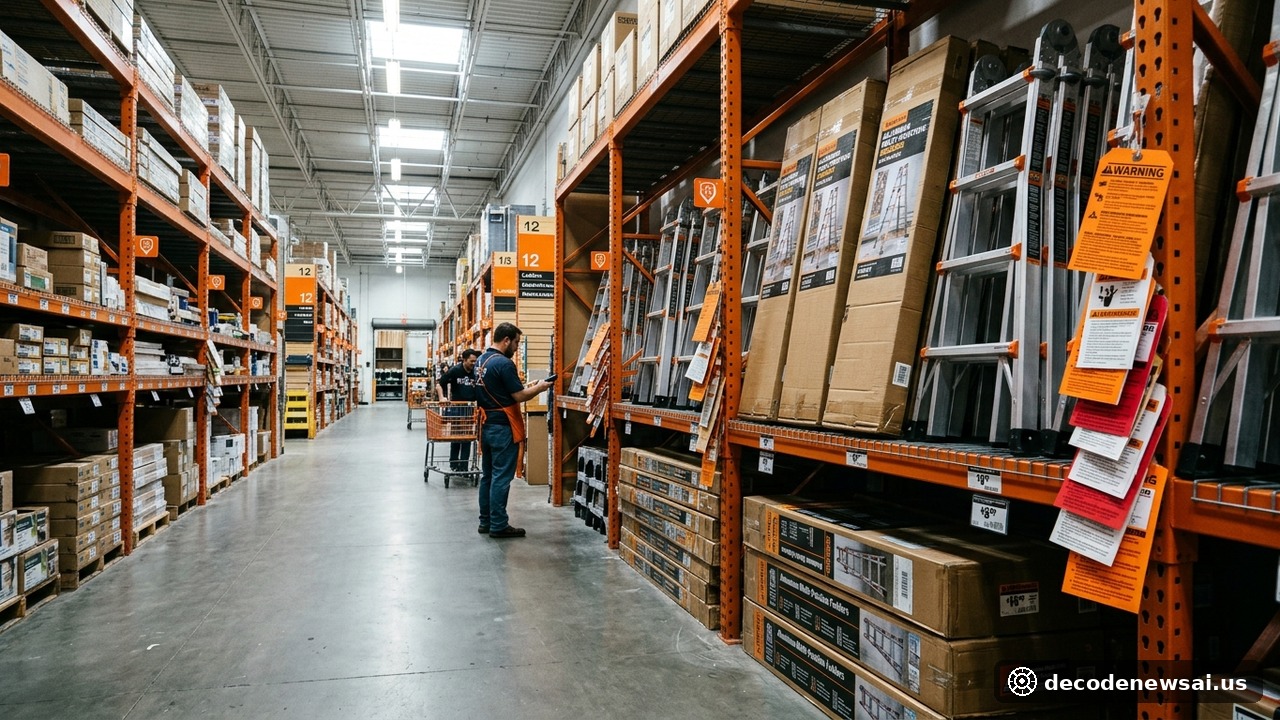
The comprehensive product recall encompasses several of the brand's most popular product lines including the Velocity, Leveler, and LT models. The units were merchandised through national home improvement chains including The Home Depot, Lowe's, and Amazon. The retail purchase prices for the affected models ranged from $180 to $320. The enormous volume of units active in residential settings complicates notification logistics.
Manufacturer Little Giant Ladder Systems issued a formal customer notice committing to furnish free mechanical locking reinforcement kits to all verified purchasers. Corporate executives stated that dedicated customer service hotlines have been established to assist owners in verifying model identification placards. The company confirmed that full cash refunds or equivalent merchandise credits will be extended to dissatisfied consumers. Corporate brand equity faces severe damage.
The National Retail Federation advised home improvement merchants to execute immediate inventory quarantine protocols across physical store locations. Major home center warehouses removed inventory pallets from active sales floors and locked down distribution stock overnight. Commercial online marketplaces implemented automated catalog filters disabling third-party vendor listings. Retail distribution networks executed prompt compliance measures.
Class-Action Litigation and Tens of Millions in Recall Costs
Consumer safety advocacy coalitions urged federal regulators to adopt mandatory dynamic fatigue stress testing standards for articulated climbing equipment. Personal injury litigation attorneys noted that mechanical degradation resulting from repetitive cyclic loading is frequently overlooked during laboratory certification. Product liability law firms have begun screening prospective claimants to initiate consolidated class-action litigation. Significant financial exposure appears unavoidable.
Retail equity analysts estimated that executing the multi-million-unit recall will impose tens of millions of dollars in direct warranty expenditures on the manufacturer. Beyond component fabrication and reverse logistics expenses, brand revenue trajectory during the upcoming holiday shopping window will suffer contraction. Regulatory oversight of commercial household durables continues to tighten.
The Consumer Product Safety Commission confirmed that compliance investigators will audit warranty repair kit delivery timelines and retailer return rates continuously. Federal officials reiterated that durable goods manufacturers carry an unyielding legal responsibility for operational hardware integrity throughout a product's working lifecycle. Consumer protection authorities urge immediate compliance verification across national distribution channels.