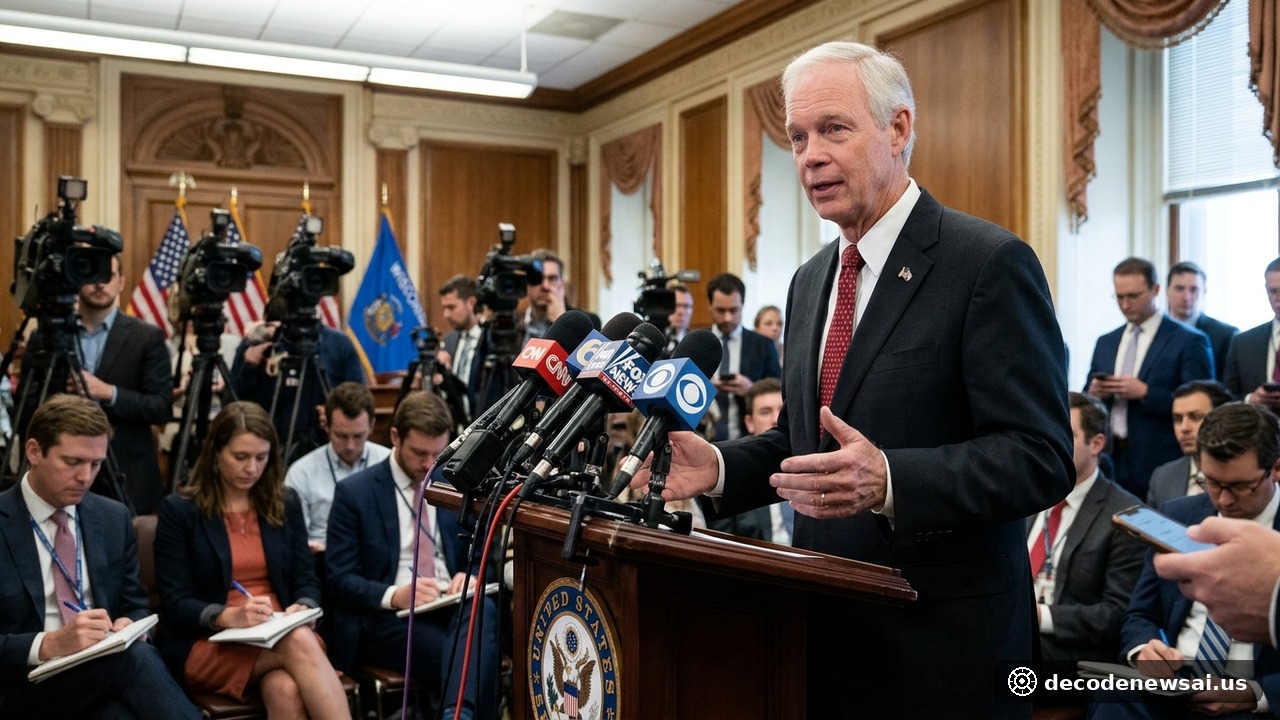
Senior Republican Senator Ron Johnson of Wisconsin issued a pointed public rebuke on November 8, criticizing systemic ethical failures across federal regulatory agencies. Johnson circulated a formal petition among Senate Republican colleagues requesting an immediate postponement of scheduled conference leadership elections. Several conservative senators signed the petition over the weekend. Leadership timelines face sudden disruption. Internal party governance faces intense debate following midterm results.
Johnson Criticizes Regulatory Capture on Fox News
During an extended broadcast appearance on Fox News, Senator Johnson outlined detailed governance criticisms. He argued that dozens of key executive agencies maintain improper proximity with multinational corporate lobbies. From healthcare regulation to defense procurement, regulatory capture compromises public fiscal stewardship. Systemic governance flaws require immediate scrutiny. Frustration with traditional congressional procedures contributed to significant voter dissatisfaction.
Senator Ron Johnson stated during the televised broadcast interview: "Our supporters across the nation expected our delegation to fundamentally drain the Washington swamp, but it appears the swamp won. Regulatory agencies are captured by the very corporate entities they are assigned to police, functioning as an accepted bipartisan habit."
Johnson urged conference members to undertake transparent internal debate regarding legislative strategy. In correspondence directed to fellow Republican lawmakers, he insisted that policy accountability must precede leadership elections. Rushing secret-ballot elections creates unnecessary organizational friction. Conservative lawmakers must renew institutional commitments to constitutional originalism and fiscal restraint.
Senate Conference Divides Over Johnson Petition
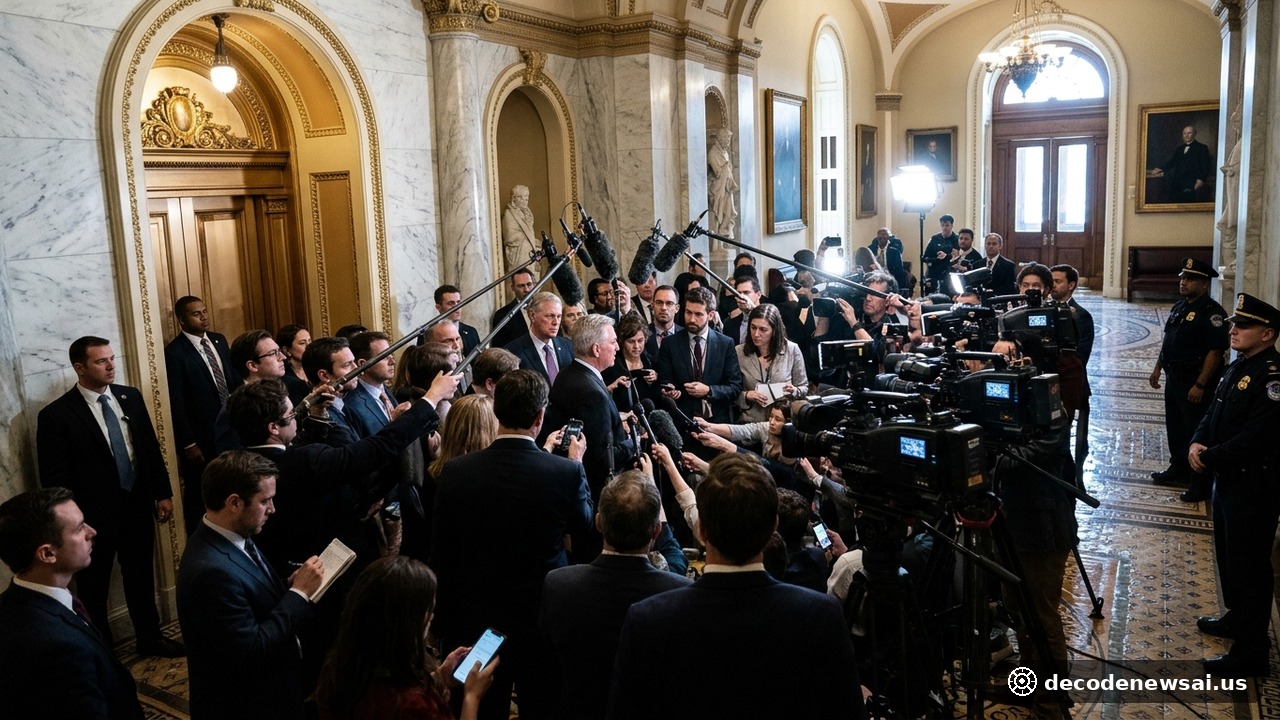
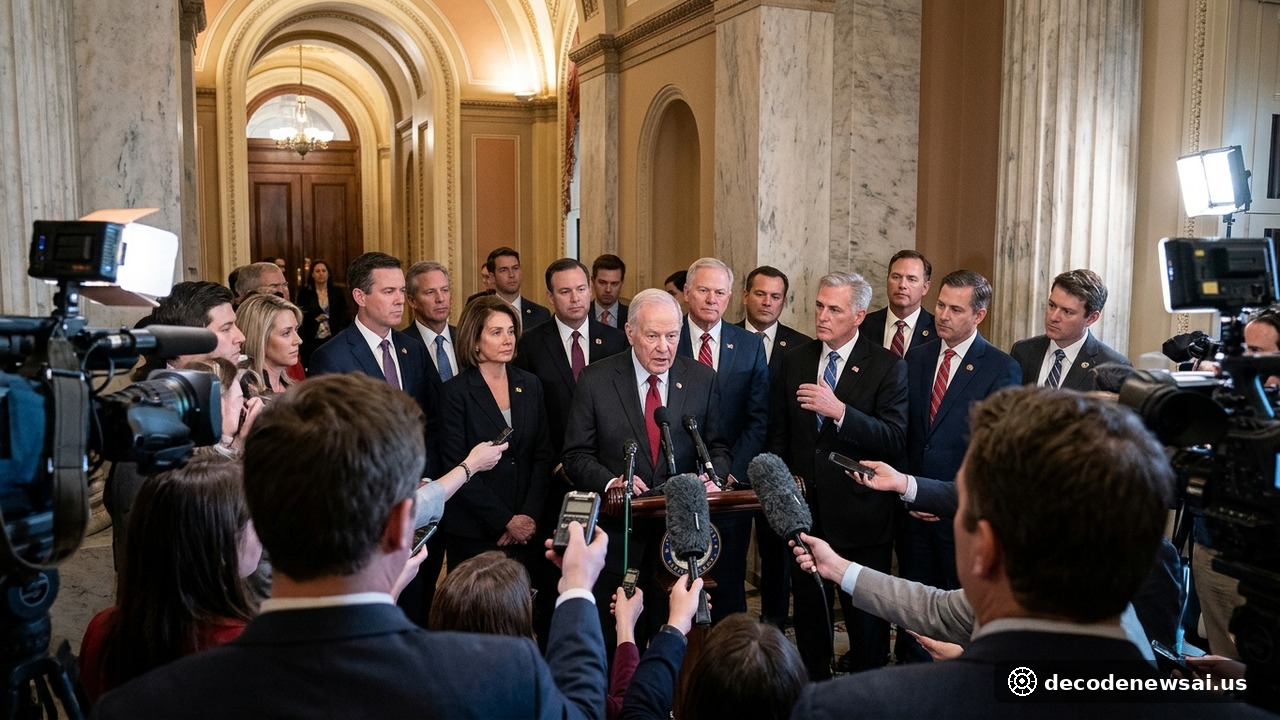
Congressional reactions to Johnson's petition revealed clear ideological divisions within the Senate conference. Moderate legislators warned that delaying elections risks organizational delays ahead of incoming committee reorganizations. Conservative members applauded efforts to challenge standard Washington protocol. Backroom debate intensified across Capitol Hill. Lawmakers are holding private deliberations to assess conference voting procedures.
Legislative scholars observed that Johnson's intervention reflects persistent tensions between grassroots constituencies and senior party leadership. Losing congressional majorities accelerated latent ideological friction between institutionalists and populist conservatives. Dispute over electoral responsibility continues among lawmakers. Voting on the postponement motion serves as a decisive test of conference dynamics.
Public policy analysts emphasized that pervasive regulatory capture damages democratic institutional credibility and reduces citizen trust in national governance. Without substantive statutory ethics reforms, legislative bodies struggle to address major national economic challenges. Institutional transparency remains essential. Bipartisan voter coalitions increasingly demand accountable, decentralized federal administrative systems.
Junior Senators Form Informal Legislative Caucuses
Senior congressional aides confirmed that junior and mid-career senators are forming informal legislative caucuses across Capitol Hill. Lawmakers expressed sustained frustration regarding concentrated decision-making within small leadership circles. Backbench senators demand greater legislative autonomy during committee markup sessions and appropriations debates. Calls for decentralized conference governance continue expanding. Internal institutional dynamics are evolving noticeably.
Congressional ethics scholars noted that lawmakers seldom publicly criticize influence peddling within their own political parties. While Senator Johnson's critique invites friction with established leadership circles, it resonates with voter frustrations over corporate lobbying. Substantive political reform requires continuous effort. The leadership contest reflects growing institutional turbulence following recent electoral defeats.
Congressional analysts noted that transparent, decentralized decision-making processes strengthen legislative coherence during challenging bipartisan negotiations. Reforming conference rules to empower committee members ensures broader ideological consensus across major economic, regulatory, and judicial oversight initiatives heading into the new legislative session.
Senate Republican Conference Schedules Private Meetings
The Senate Republican Conference scheduled private organizational meetings for the coming legislative week. Lawmakers will review and vote upon Senator Johnson's petition to delay internal elections. The procedural outcome remains pivotal. This leadership dispute will shape congressional oversight strategies and legislative priorities throughout the upcoming session. Congressional leaders confirmed that subsequent conference discussions will prioritize constructive legislative unity heading into the next statutory calendar. Ensuring transparent institutional dialogue remains fundamental to advancing long-term policy priorities effectively. Sustained ideological debate will establish foundational benchmarks for conservative governance throughout upcoming congressional cycles.