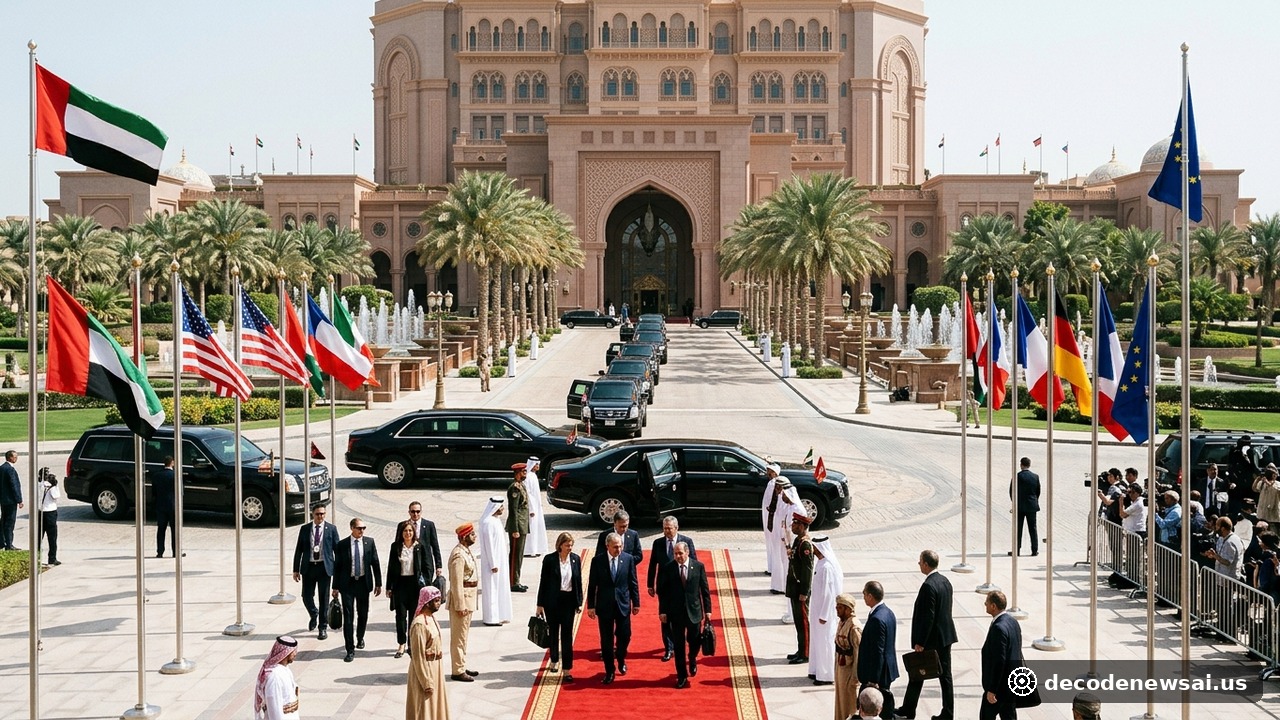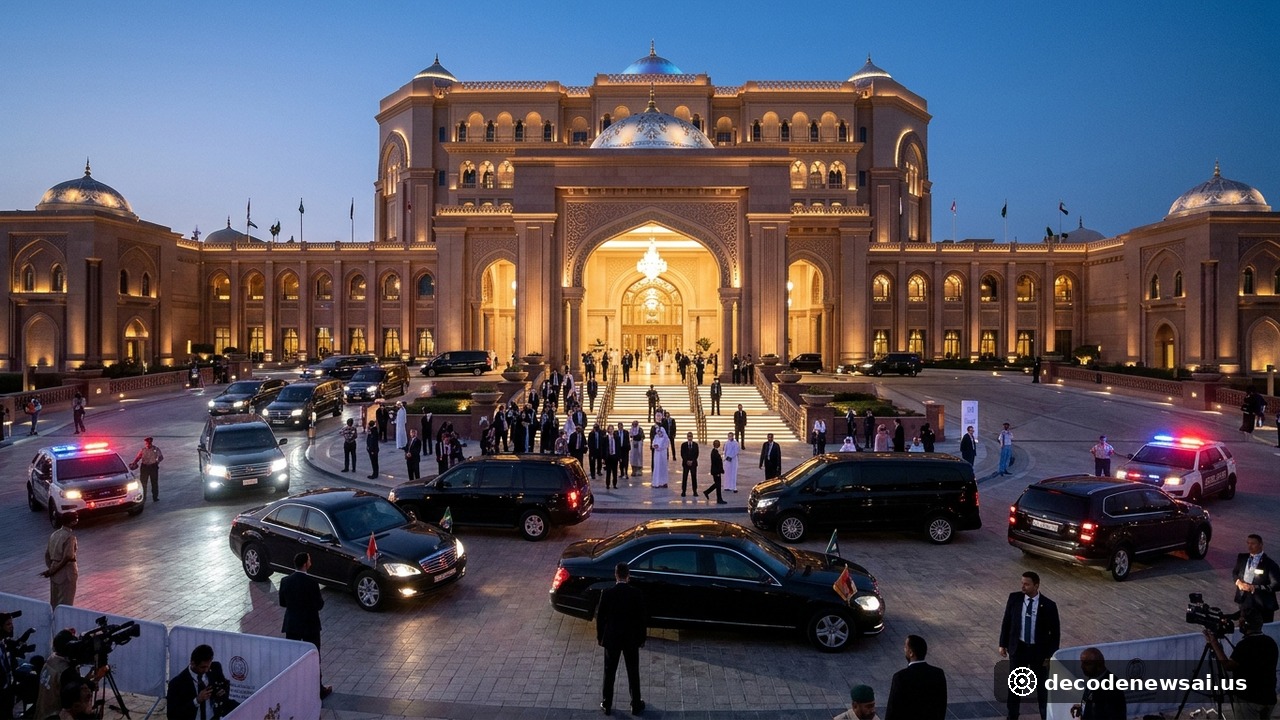
ABU DHABI - Diplomatic delegations representing the United States, Ukraine, and the Russian Federation arrived in Abu Dhabi on Monday, November 9, initiating high-stakes preparatory consultations ahead of a two-day trilateral peace summit scheduled to convene on Tuesday. Senior American envoys Jared Kushner and Steve Witkoff opened intense bilateral discussions with European security advisers and Ukrainian negotiators in an effort to construct a viable ceasefire framework.
Kushner outlines four objectives for Abu Dhabi talks
The renewed diplomatic push represents the first direct, high-level trilateral engagement between the parties since preliminary discussions stalled nine months ago. Kushner outlined four primary objectives for the Abu Dhabi talks on social media, emphasizing that the American delegation is prioritizing a durable cessation of hostilities, multilateral guarantees against conflict reignition, economic reconstruction pathways for Ukraine, and immediate humanitarian relief distribution corridors across conflict zones.
Prior to formal sessions with Russian diplomats, Kushner and Witkoff convened bilateral sessions with Ukrainian defense and intelligence officials led by Rustem Umierov. Ukrainian negotiators reiterated their baseline prerequisites regarding national territorial integrity and verified international security compacts. American diplomats sought common ground on intermediate confidence-building measures, including reciprocal prisoner exchanges and localized humanitarian safe passages.
Kushner stated during a pre-summit press availability: 'We hope these discussions will identify areas of common ground, advance practical solutions, and build momentum toward the next phase of negotiations.' European diplomats cautiously welcomed the engagement.
European officials join talks as Lavrov sets Russian mandate
European security officials from Germany, France, and the United Kingdom arrived concurrently in the United Arab Emirates to ensure European security equities remain central to any emerging settlement. European Commission representatives and NATO leadership staff emphasized that any lasting accord must feature binding defensive commitments to protect Eastern European stability. European Commission President Ursula von der Leyen held consultations with Ukrainian President Volodymyr Zelenskyy on Monday to align negotiation parameters.
Russian Foreign Minister Sergey Lavrov indicated from Moscow that the Russian delegation will focus on broader collective security arrangements across the Eurasian perimeter. Russian envoys led by senior ministerial staff arrived with mandate documents addressing neutral status definitions and sanctions relief timelines. Field reports confirmed that skirmishes persisted along eastern frontlines as delegates gathered in the Gulf.
President Donald Trump remarked in a televised national interview on Sunday that negotiating teams are making measurable progress toward a framework, while acknowledging that Ukraine's sovereign administrative boundaries could undergo structural adjustments under a finalized compact. The characterization prompted intense tactical discussions among Ukrainian delegates reviewing legal parameters in Abu Dhabi.
Abu Dhabi venue highlights Gulf mediation role in peace push
Diplomatic observers noted that the choice of Abu Dhabi as a neutral diplomatic venue underscores the growing mediation stature of Gulf regional powers. The host nation established secured neutral consultation zones to facilitate backchannel diplomacy between the delegations. While profound divisions remain regarding territorial demarcations, the commencement of structured trilateral talks reflects urgent international momentum to de-escalate the prolonged conflict.
International humanitarian agencies urged all negotiating parties to prioritize civilian protection corridors and critical infrastructure de-targeting regardless of political outcomes. Millions of displaced civilians remain vulnerable as winter temperatures approach across Eastern Europe. Diplomatic delegations will commence formal trilateral plenary sessions on Tuesday morning under tight international scrutiny.
Geopolitical defense scholars emphasized that establishing a structured negotiation channel in Abu Dhabi reflects shifting diplomatic leverage across regional stakeholders. While sustained front-line hostilities and municipal infrastructure bombardment continue inflicting severe humanitarian tolls, the direct participation of high-ranking American and European security advisers introduces necessary multilateral oversight into previously bilateral discussions.
Working groups on prisoners and safe passage build groundwork
Diplomatic observers noted that resolving complex territorial sovereignty claims requires sustained, phased verification protocols alongside international economic assistance. By establishing structured working groups on prisoner repatriations, humanitarian safe passage zones, and energy transit security, the participating delegations can lay essential technical groundwork prior to addressing comprehensive territorial demarcations.