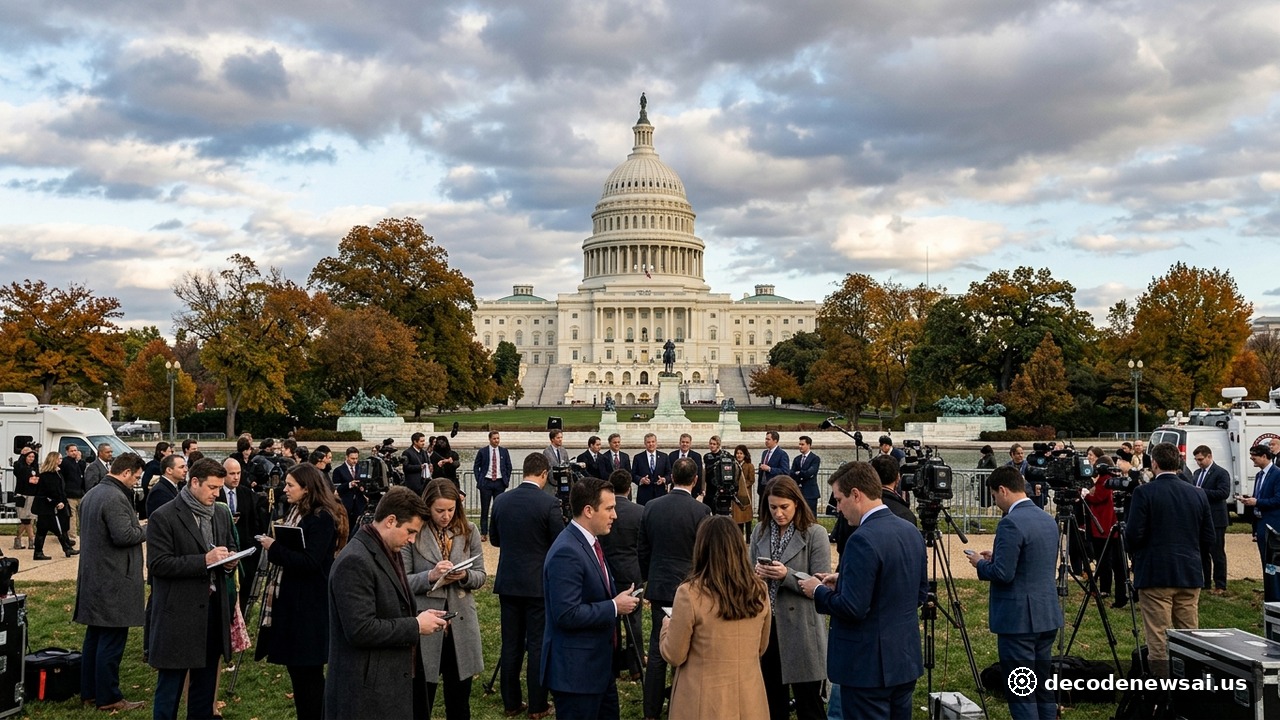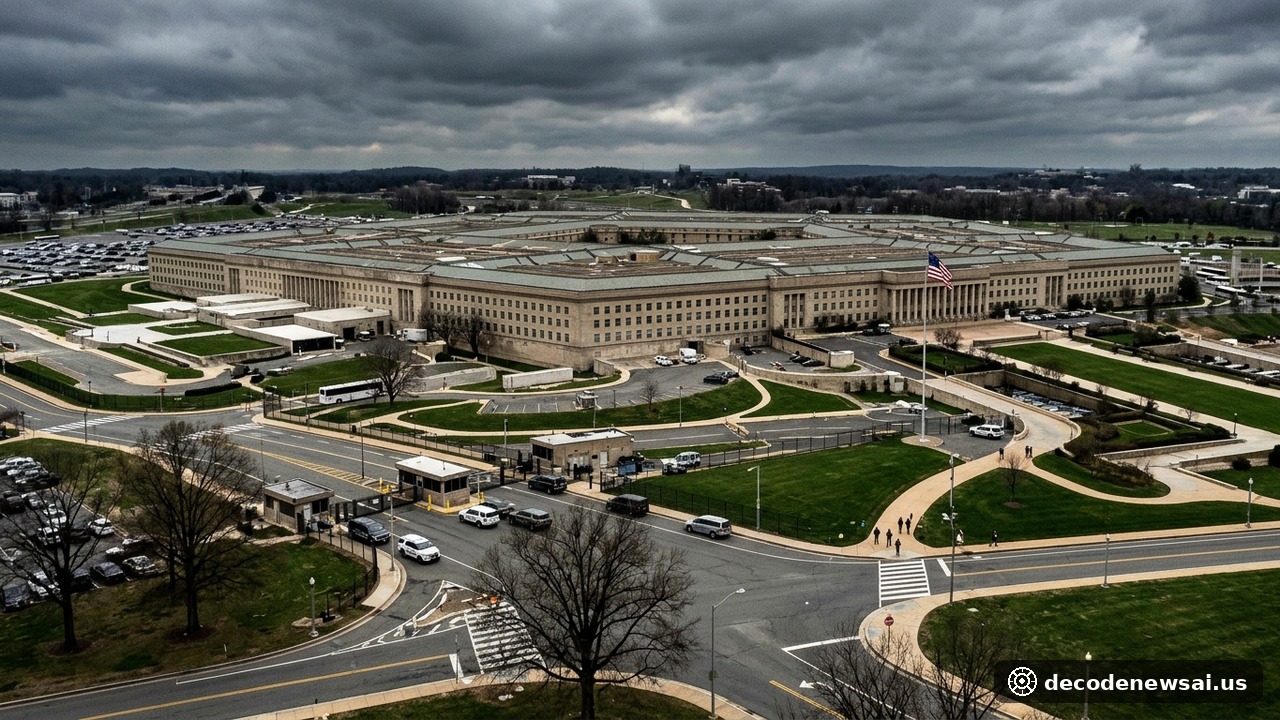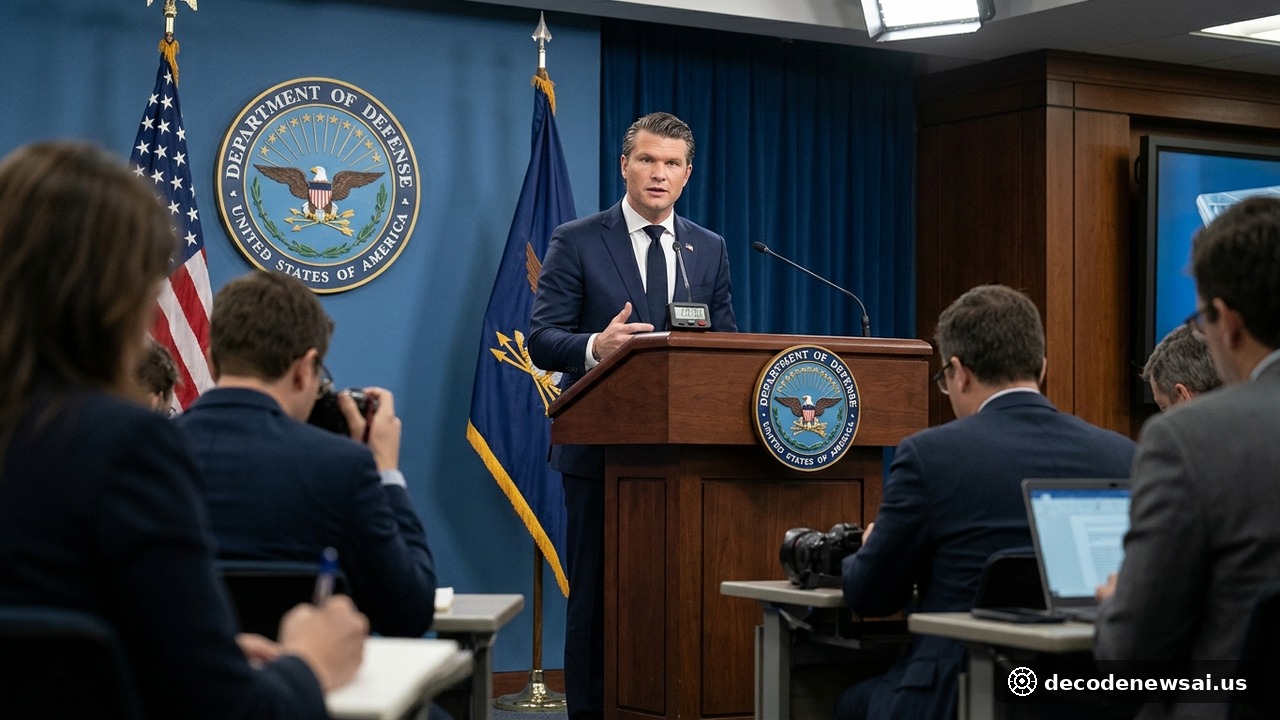
WASHINGTON - United States Secretary of Defense Pete Hegseth convened an unannounced press conference inside the Pentagon on Monday, November 9, delivering a detailed 45-minute public defense of Middle Eastern military deployments in response to a formal impeachment resolution introduced by congressional lawmakers. The high-stakes briefing marks the first dedicated public rebuttal delivered by the defense chief since impeachment threats emerged following the contentious midterm elections. Senior military officers and defense staff attended the televised briefing.
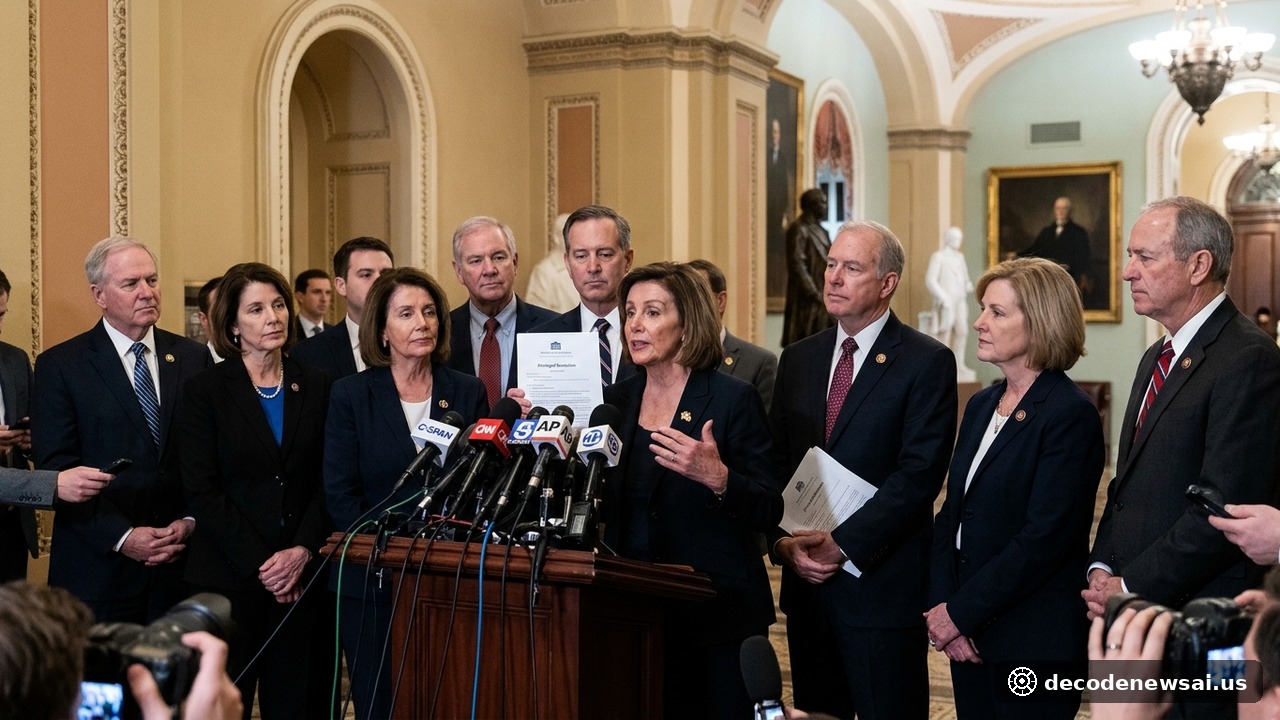
Political tensions surrounding military operational authorities have escalated sharply following the shift in congressional leadership. Senior members of the House Committee on the Judiciary introduced draft impeachment articles alleging that the Department of War authorized offensive military operations in the Persian Gulf without explicit statutory authorization from Congress. The core legal challenge questions the reallocation of 35 billion dollars in emergency defense appropriations. Hegseth forcefully rejected allegations of constitutional overreach, asserting that counter-drone interdictions fall squarely within existing Article II presidential authorities.
The Pentagon briefing room reached maximum capacity as correspondents questioned the administration's maritime escort posture and operational casualty figures. Hegseth reviewed chronological military incident logs to demonstrate operational necessity, asserting that naval task groups preempted sophisticated anti-ship drone strikes targeting commercial shipping corridors. The White House subsequently issued an official statement affirming total presidential backing for Hegseth's leadership.
Secretary Hegseth stated during the press conference: "The Department of War strictly executes lawful military orders issued by the President under his constitutional authority as Commander-in-Chief. We will not flinch in defending American personnel and strategic interests against hostile threats." Senior flag officers present at the podium nodded in concurrence.
Budget impasse and 50 billion dollars deficit impact defense readiness
Constitutional legal scholars offered contrasting assessments regarding the viability of the legislative impeachment effort. Democratic lawmakers argue that the War Powers Resolution of 1973 imposes an inflexible 60-day deadline on undeclared military engagements. Republican members counter that protecting international sea lanes against asymmetric swarm drone barrages constitutes necessary homeland self-defense. The Senate Armed Services Committee officially scheduled an initial bipartisan public hearing for early December.
The budget impasse has begun impacting defense readiness procurement. Congressional Budget Office forecasts indicate that sustaining elevated naval readiness deployments across the Arabian Sea will trigger an operational deficit exceeding 50 billion dollars for Fiscal Year 2027. Moderate legislators have proposed compromise legislation requiring monthly classified briefings detailing tactical engagement records. Congressional negotiating teams remain deeply divided along party lines.
Military institutional analysts noted that high-profile impeachment proceedings inevitably create operational friction between civilian political leadership and uniformed commands. Retired military commanders cautioned that public hearings must avoid undermining tactical operational security. Aerospace and shipbuilding contractors including General Dynamics and Lockheed Martin experienced moderate equity volatility as procurement committee leaders paused emergency munitions replenishments. Secretary Hegseth confirmed his willingness to testify under oath before relevant congressional committees.
National security legal experts noted that executive war powers challenges routinely peak during periods of divided government. When congressional majority control transitions between political parties, legislative committees frequently deploy subpoena authorities to examine Pentagon deployment authorizations and classified intelligence directives. The upcoming public hearings will establish whether congressional appropriations committees attempt to restrict executive contingency funds for international naval escort operations.
Military operational planners emphasized that forward-deployed strike groups in the Gulf region operate under stringent rules of engagement designed to protect commercial navigation without provoking wider regional escalation. Joint task forces have intercepted dozens of low-altitude loitering munitions and anti-ship cruise missiles across vital maritime chokepoints. Defense officials maintain that terminating tactical patrols would immediately destabilize commercial maritime transit and trigger substantial spikes in international energy freight rates.
Senior legislative aides confirmed that preliminary closed-door staff depositions will commence prior to Thanksgiving recess. Congressional investigators intend to review naval deployment logs, tactical munitions transfer orders, and legal memoranda prepared by the Pentagon's Office of the General Counsel. While the legislative outcome remains uncertain, the aggressive oversight campaign demonstrates how divided government reshapes American defense diplomacy.