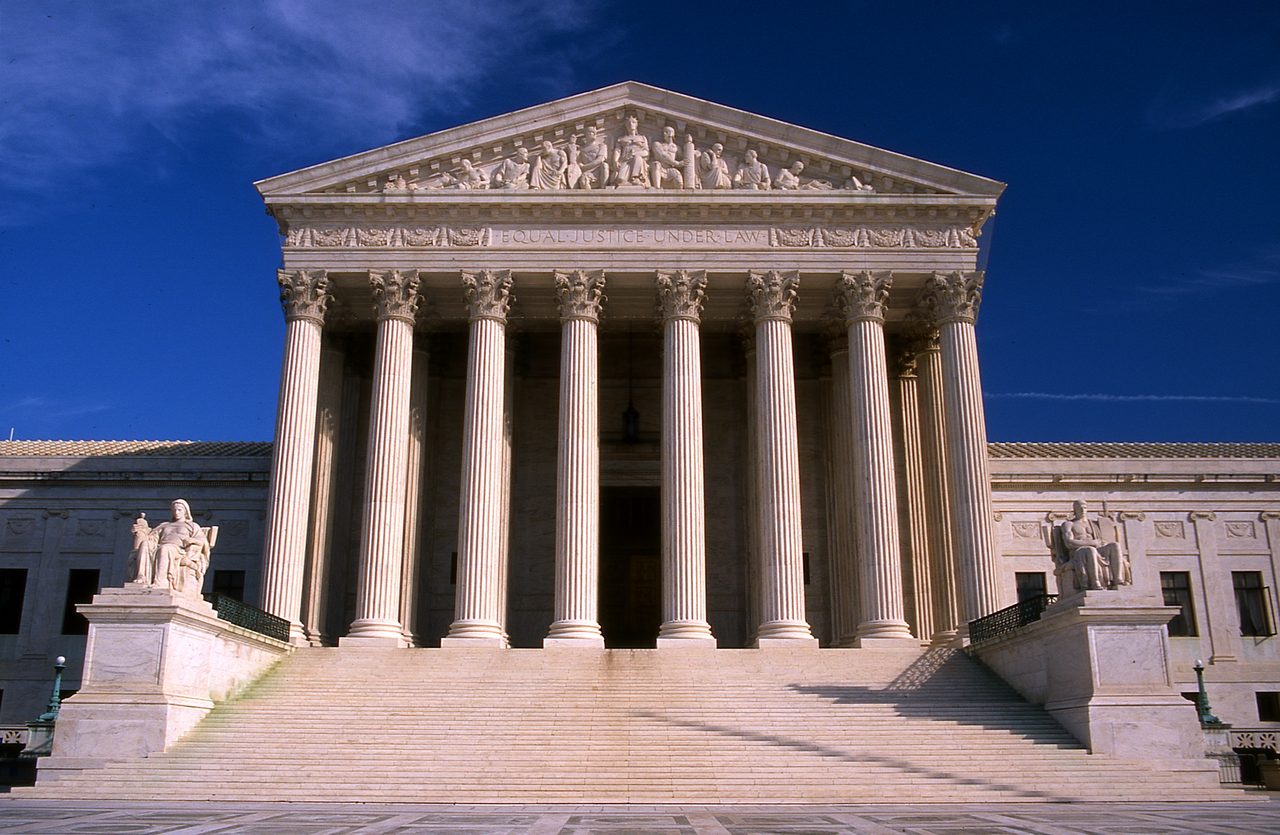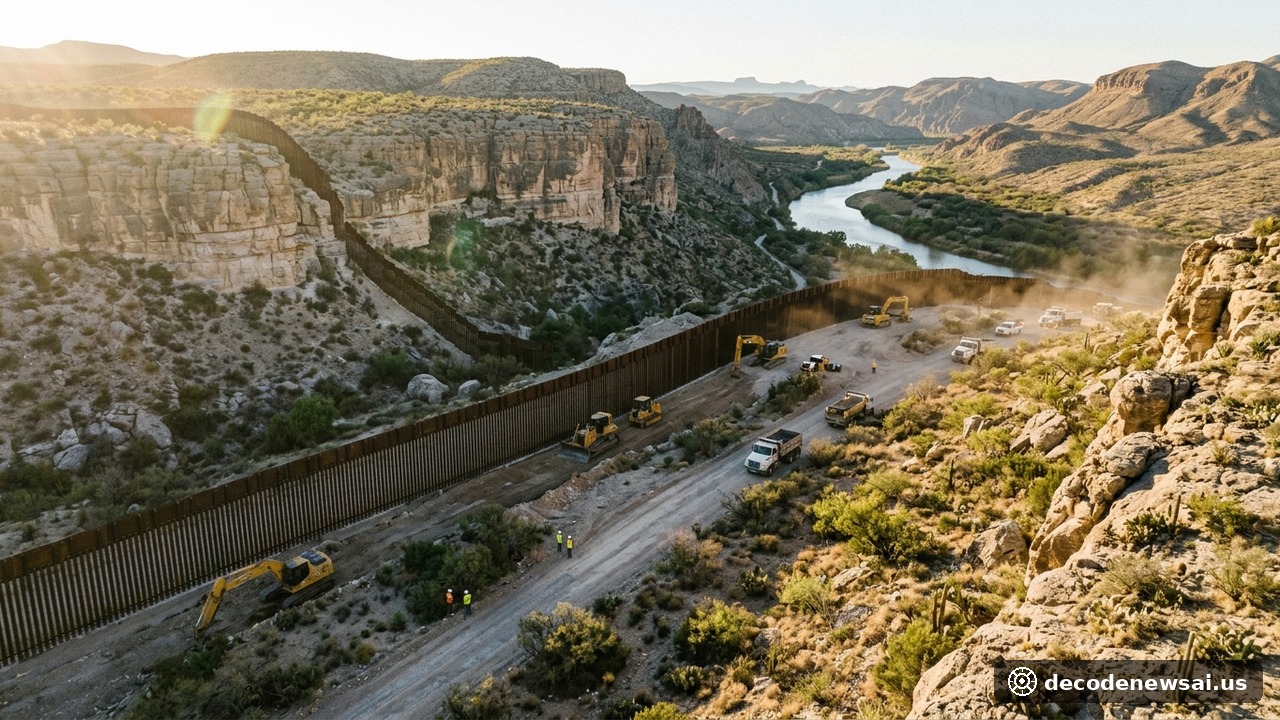
WASHINGTON - The Supreme Court of the United States issued an 8-1 emergency order on Monday, November 9, allowing the Trump administration to resume construction of physical border barriers through the Big Bend region of West Texas, including federally protected national parklands. The ruling pauses a lower court injunction that halted construction over environmental waiver authorities.
Judge Cardone halted construction over environmental statutes
United States District Judge Kathleen Cardone had halted construction in October, ruling that federal agencies likely exceeded administrative authorities by bypassing environmental statutes to construct border barriers. The Department of Justice filed an emergency stay application, arguing that judicial intervention infringed upon executive border security mandates along international boundaries.
The Supreme Court's unsigned majority order stated: "The Government's interest therefore outweighs any aesthetic, recreational, and environmental harm alleged by respondents." Associate Justice Ketanji Brown Jackson was the lone dissenting jurist, dissenting without filing an explanatory opinion.
The Big Bend sector spans rugged desert terrain along the Rio Grande international boundary. Conservation federations argued that heavy construction machinery and steel bollards disrupt critical migration corridors for endangered wildlife. Conversely, federal border patrol officials maintained that continuous physical infrastructure is indispensable for interdicting transnational smuggling routes.
Fifth Circuit appellate review pending for emergency decree
The high court's emergency decree remains in effect pending full appellate consideration before the United States Court of Appeals for the Fifth Circuit. Heavy construction contractors mobilized equipment toward West Texas staging sectors on Monday, clearing operational pathways for immediate earthmoving operations.
Constitutional scholars noted that the Supreme Court's emergency stay order reflects established judicial deference to executive branch national security determinations along international land borders. By staying lower court environmental injunctions during preliminary appellate phases, the high court facilitates federal barrier construction while preserving legal avenues for subsequent environmental litigation before federal courts of appeals.
Environmental litigation attorneys observed that legal disputes surrounding statutory environmental waivers across ecologically sensitive public lands will intensify as federal construction crews advance heavy machinery through desert canyon corridors. Evaluating administrative waiver boundaries against biodiversity protection mandates will shape federal infrastructure jurisprudence across southwestern border states for decades to come.
Ecological monitoring teams survey sensitive riparian zones
Federal land managers confirmed that ecological monitoring teams will survey sensitive riparian zones during active construction phases to mitigate long-term impacts on local biodiversity.
Constitutional scholars noted that the Supreme Court's emergency stay order reflects established judicial deference to executive branch national security determinations along international land borders. By staying lower court environmental injunctions during preliminary appellate phases, the high court facilitates federal barrier construction while preserving legal avenues for subsequent environmental litigation before federal courts of appeals.
Environmental litigation attorneys observed that legal disputes surrounding statutory environmental waivers across ecologically sensitive public lands will intensify as federal construction crews advance heavy machinery through desert canyon corridors. Evaluating administrative waiver boundaries against biodiversity protection mandates will shape federal infrastructure jurisprudence across southwestern border states for decades to come.
Expedited barrier installation proceeds during appellate review
Federal land managers confirmed that ecological monitoring teams will survey sensitive riparian zones during active construction phases to mitigate long-term impacts on local biodiversity. Regional civic coalitions indicated they will continue advocating for environmental compliance through ongoing administrative appeals.
Judicial scholars noted that pending full appellate review, federal construction teams will proceed with expedited barrier installation. Monitoring environmental mitigation compliance ensures that delicate desert ecosystems receive structured consideration during active border security operations.
Border infrastructure planners confirmed that synchronized civil engineering protocols will safeguard historical border markers and protected wildlife corridors along the Rio Grande watershed. Federal environmental liaisons affirmed that continuous ground-level evaluations will guide ongoing construction logistics. Independent conservation observers emphasized that rigorous field oversight remains critical as heavy machinery operations resume across West Texas borderlands. Judicial observers noted that expedited appellate proceedings will establish definitive statutory guidance for future federal infrastructure initiatives under statutory waiver provisions.