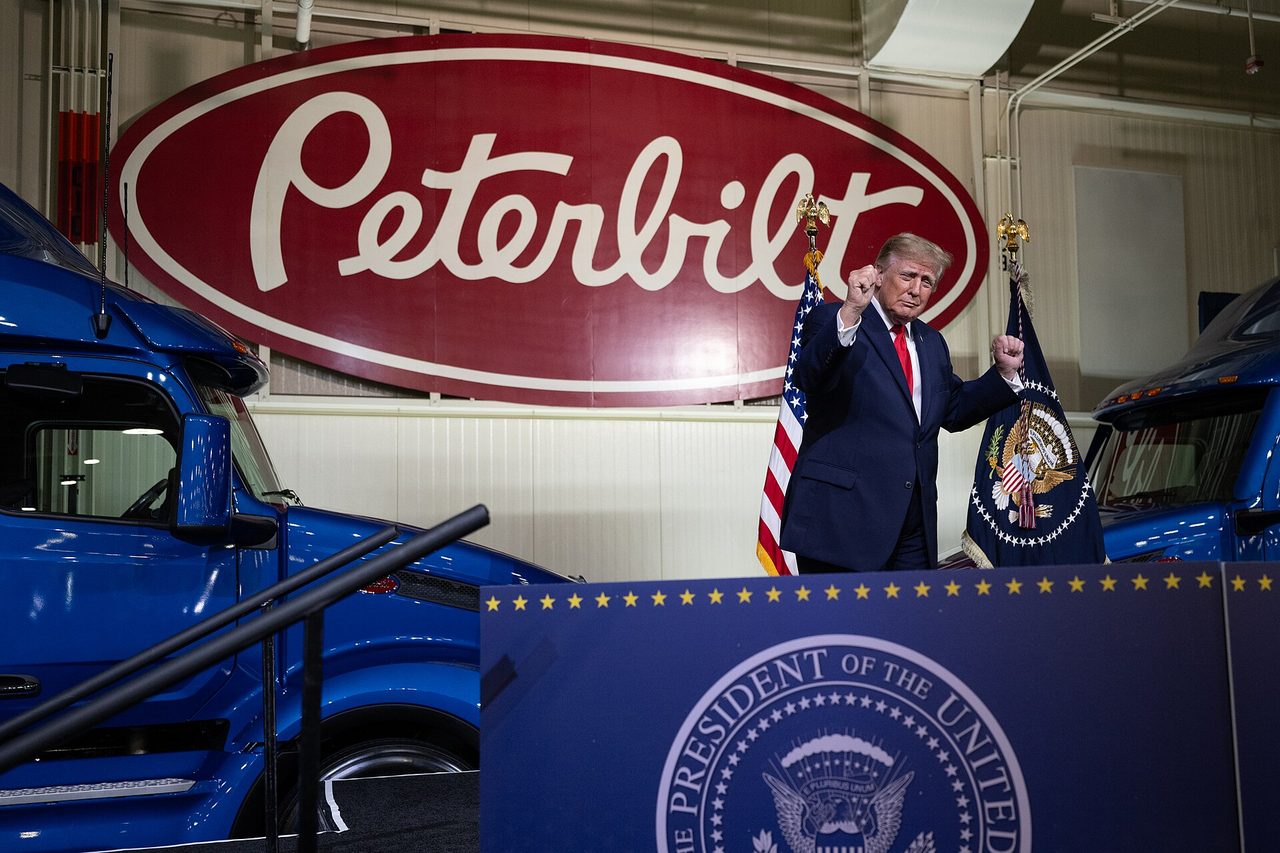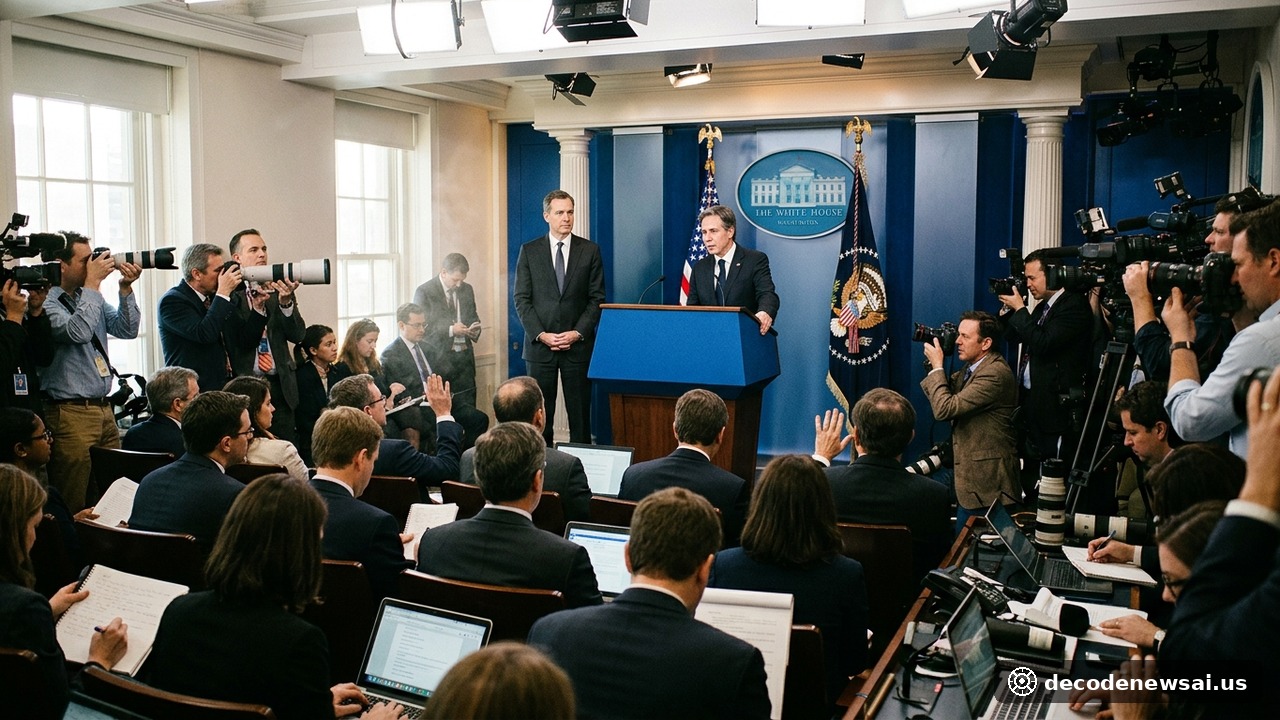
WASHINGTON - President Donald Trump made an unannounced appearance in the White House press briefing room on Monday afternoon, November 9, stating that the military phase of the armed conflict with Iran is effectively concluding. The presidential remarks followed high-level Oval Office negotiations with Qatari Prime Minister Sheikh Mohammed bin Abdulrahman Al-Thani.
Eight-month conflict costs surpass 35 billion dollars
The Qatari prime minister traveled to Washington following bilateral consultations in Tehran, presenting detailed diplomatic terms to de-escalate Persian Gulf naval hostilities. Vice President JD Vance and Secretary of State Marco Rubio joined the Oval Office sessions. Discussions focused on securing commercial maritime navigation throughout the Strait of Hormuz.
President Trump stated directly to reporters at the White House lectern: "Qatar and Saudi Arabia want a peaceful solution, and so do we. If necessary we remain ready to strike, but militarily the conflict is effectively over." Diplomatic correspondents questioned the administration regarding enforcement verification.
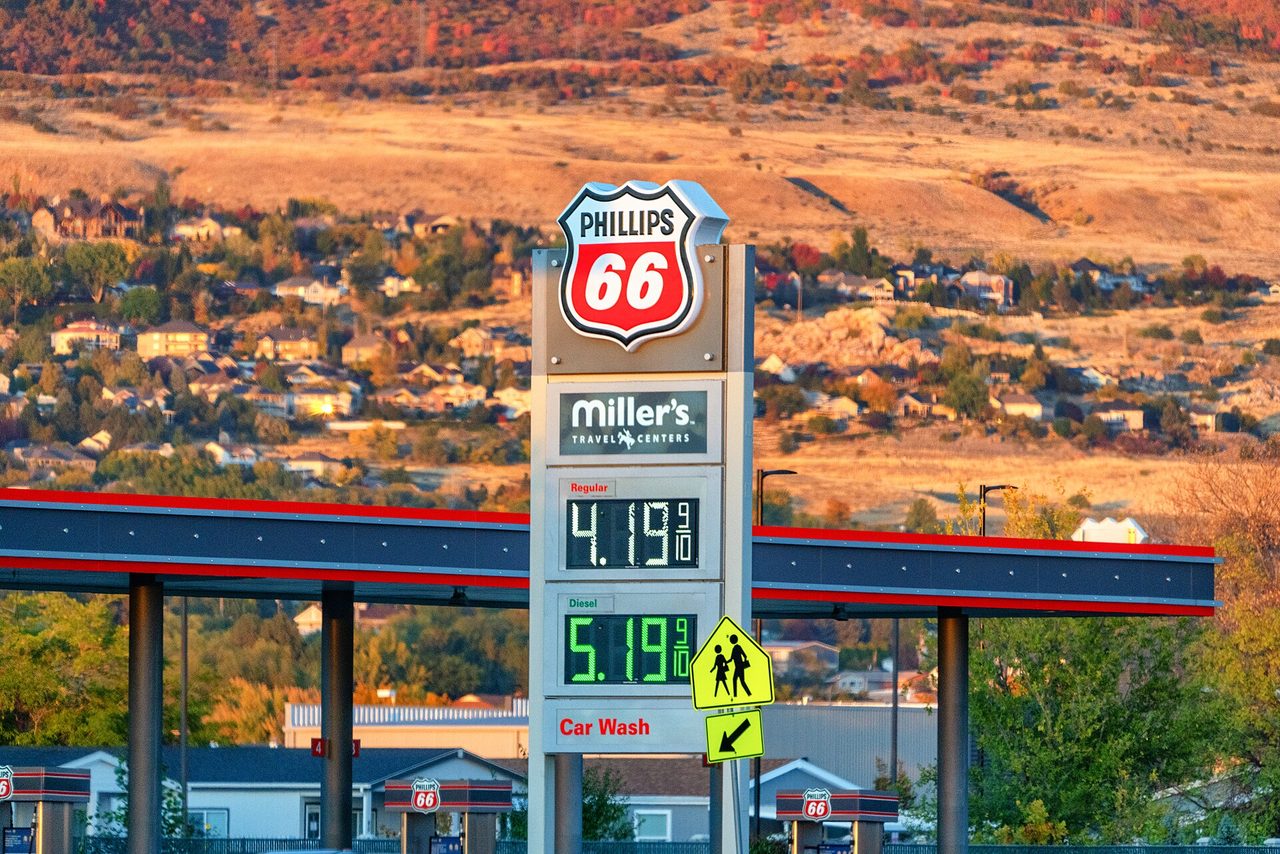
The eight-month conflict has imposed intense fiscal demands, with emergency Pentagon operating expenditures surpassing 35 billion dollars. Bipartisan congressional leaders demanded transparent withdrawal benchmarks, citing ballooning federal budget deficits. Energy commodity markets reacted swiftly, with benchmark crude futures retreating more than three percent on Monday.
Hormuz navigation guarantees key to energy supply chains
Diplomatic correspondents in Washington noted that direct presidential engagement underscores the administration's determination to convert backchannel mediation into an enforceable cessation of Persian Gulf hostilities. Sustained military expenditures and naval deployment rotations have intensified domestic legislative scrutiny, compelling executive policymakers to prioritize diplomatic de-escalation channels over indefinite kinetic warfare across regional maritime choke points.
Middle Eastern geopolitical analysts observed that establishing durable commercial navigation guarantees throughout the Strait of Hormuz remains fundamental to stabilizing global energy supply chains. Coordinated mediation involving regional partners provides an essential framework for verifying mutual compliance, reducing escalation risks, and establishing multilateral security guarantees across contested maritime corridors.
Regional maritime insurance underwriters indicated that prolonged tanker attacks had increased war-risk coverage premiums tenfold across commercial shipping lanes. Announcing an effective conclusion to major military engagements allows international freight operators to plan navigational route normalization through the Gulf of Oman and Bab el-Mandeb corridors.
Gulf delegations urge written protocols to prevent skirmishes
International diplomatic delegations in the Gulf region expressed cautious optimism following the White House announcement, emphasizing that formalizing written protocols remains essential to prevent tactical skirmishes from reigniting wider regional warfare.
Diplomatic correspondents in Washington noted that direct presidential engagement underscores the administration's determination to convert backchannel mediation into an enforceable cessation of Persian Gulf hostilities. Sustained military expenditures and naval deployment rotations have intensified domestic legislative scrutiny, compelling executive policymakers to prioritize diplomatic de-escalation channels over indefinite kinetic warfare across regional maritime choke points.
Middle Eastern geopolitical analysts observed that establishing durable commercial navigation guarantees throughout the Strait of Hormuz remains fundamental to stabilizing global energy supply chains. Coordinated mediation involving regional partners provides an essential framework for verifying mutual compliance, reducing escalation risks, and establishing multilateral security guarantees across contested maritime corridors.
Insurance premiums rise tenfold on Gulf shipping lanes
Regional maritime insurance underwriters indicated that prolonged tanker attacks had increased war-risk coverage premiums tenfold across commercial shipping lanes. Announcing an effective conclusion to major military engagements allows international freight operators to plan navigational route normalization through the Gulf of Oman and Bab el-Mandeb corridors. International diplomatic delegations in the Gulf region expressed cautious optimism following the White House announcement, emphasizing that formalizing written protocols remains essential to prevent tactical skirmishes from reigniting wider regional warfare.
International political strategists emphasized that durable regional accords require sustained verification oversight by multilateral security bodies. Coordinating diplomatic roadmaps with Gulf allies ensures that humanitarian transit corridors remain protected from unexpected maritime disruptions across the Arabian Sea. Regional defense coordinators noted that open sea corridors support energy stability across international markets. Sustained bilateral communications help de-escalate sensitive border friction across the Middle East.