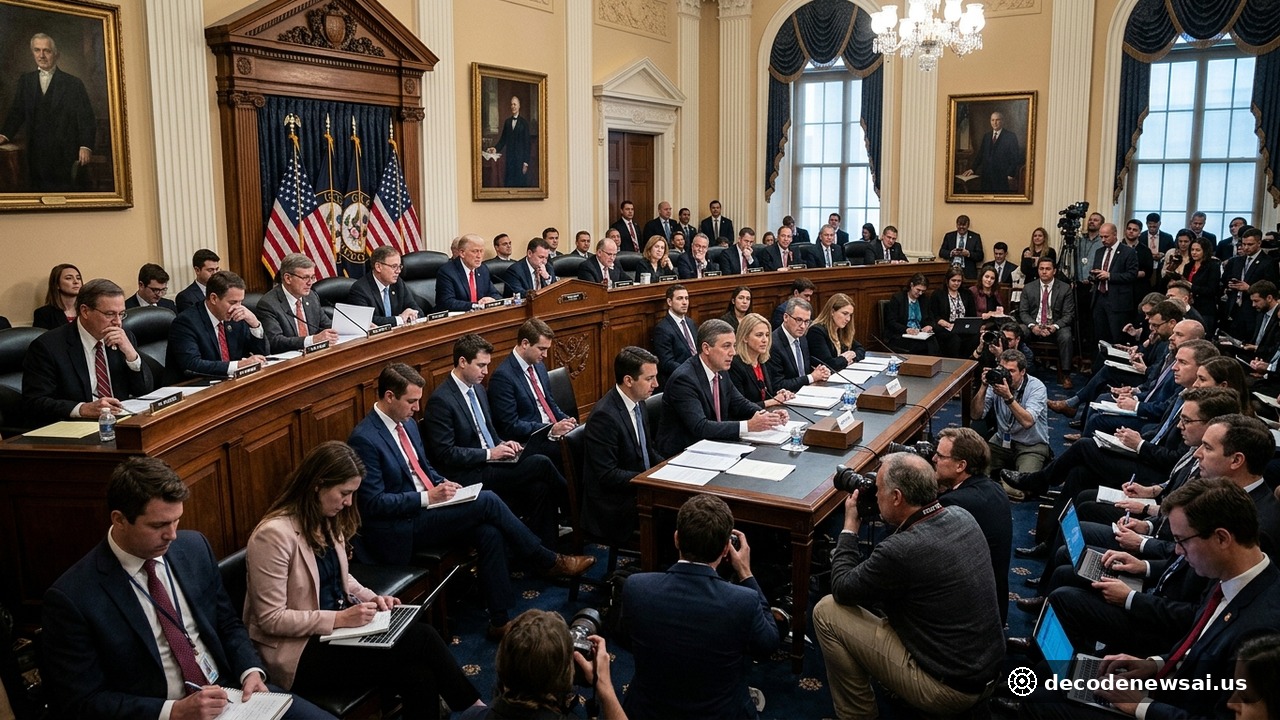
WASHINGTON - Following decisive congressional victories in the 2026 midterm elections, House Democratic leadership formally unveiled a legislative oversight strategy on Monday, November 9, outlining plans to utilize subpoena authority to review executive reorganizations across the Department of Education. Democratic committee leaders announced targeted inquiries examining the allocation and administrative restructuring of approximately 1.5 trillion dollars in federal higher education funding and programmatic student loan relief accounts.
Robert Garcia sets hearings as White House and Republicans push back
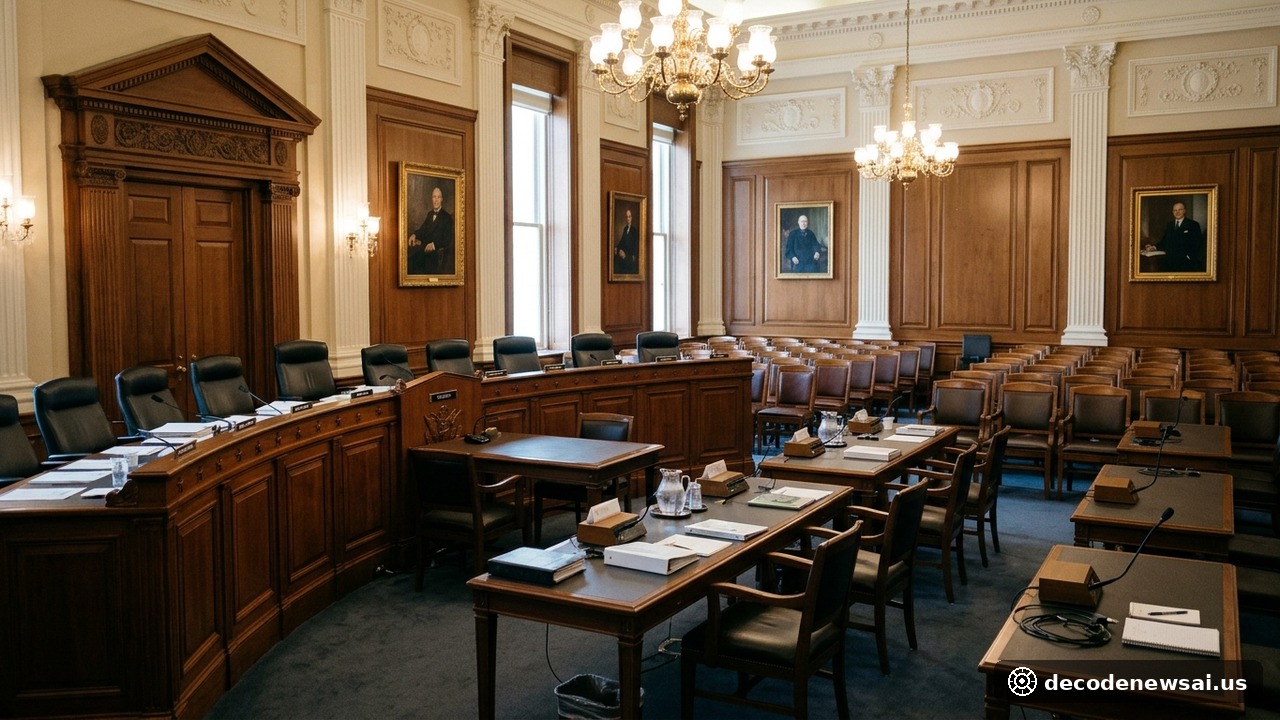
Representative Robert Garcia, incoming chairman of the House Committee on Oversight and Accountability, stated on Monday that congressional panels will initiate public hearings and request internal decision-making records regarding disputed funding rules. Congressional oversight staff confirmed that formal document requests will examine executive discretion over university research appropriations, student loan administration, and grant distribution formulas across primary and secondary school districts nationwide.
White House press office representatives rejected the premise of the congressional inquiries on Monday afternoon. Deputy press secretary Liz Huston stated during a briefing: "The administration's education initiatives prioritize fiscal responsibility and protect hardworking taxpayer dollars. Partisan congressional obstruction will not derail our commitment to improving educational outcomes for American families." The executive branch reaffirmed its statutory discretion over federal administrative execution, setting the stage for legal skirmishes over executive privilege.
Congressional Republicans characterized the planned oversight hearings as political maneuvering intended to delay regulatory reforms aimed at improving school efficiency. Conservative legislators argued that discretionary adjustments enacted by the administration adhere to statutory guidelines governing federal agency restructuring. Bipartisan congressional aides indicated that initial oversight depositions will commence during the upcoming post-election legislative session.
CBO says education is 12 percent of non-defense discretionary spending
Nonpartisan budgetary analysts from the Congressional Budget Office noted that discretionary education funding accounts for roughly 12 percent of total non-defense federal discretionary spending. Legislative negotiators confirmed that disputes over educational grants will factor prominently into negotiations surrounding year-end continuing appropriations bills. With divided government returning to Capitol Hill, executive agencies face heightened fiscal oversight regarding discretionary budget reprogramming across all civilian departments.
Constitutional scholars noted that prospective subpoenas issued to executive officials could trigger formal judicial review concerning congressional oversight limits and executive branch transparency. Legal analysts emphasized that inter-branch oversight mechanisms help maintain statutory accountability while ensuring that appropriated funds adhere strictly to legislative authorization mandates across federal programs.
Higher education governance specialists pointed out that congressional scrutiny over federal grant allocations directly affects long-term academic research planning. University chancellors across public land-grant institutions warned that abrupt discretionary grant freezes could jeopardize ongoing scientific and medical laboratory programs. Congressional oversight committees confirmed that upcoming investigative depositions will examine internal departmental memoranda governing loan forgiveness qualification standards. Constitutional scholars noted that inter-branch oversight serves as a vital safeguard ensuring executive agencies remain accountable to statutory spending mandates enacted by Congress. Bipartisan budget negotiators indicated that resolving discretionary spending disputes will remain central to finalizing comprehensive full-year federal budget legislation.
Federal administrative law scholars pointed out that structured legislative oversight reinforces constitutional checks and balances across executive agencies. State educational commissioners affirmed that predictable grant disbursement schedules are indispensable for local school district budgetary planning. Independent policy researchers noted that constructive legislative review ensures taxpayer funds directly support foundational academic achievement and student welfare nationwide. Legislative governance analysts underscored that vigorous congressional oversight remains a foundational pillar of democratic accountability. Ensuring transparent administrative processes and adherence to statutory funding allocations maintains public trust across nationwide educational systems. Bipartisan congressional aides affirmed that transparent inter-branch dialogue fosters legislative efficiency while upholding statutory mandates across federal programs. Bipartisan committee members emphasized that thorough administrative evaluation safeguards public investments for generations.