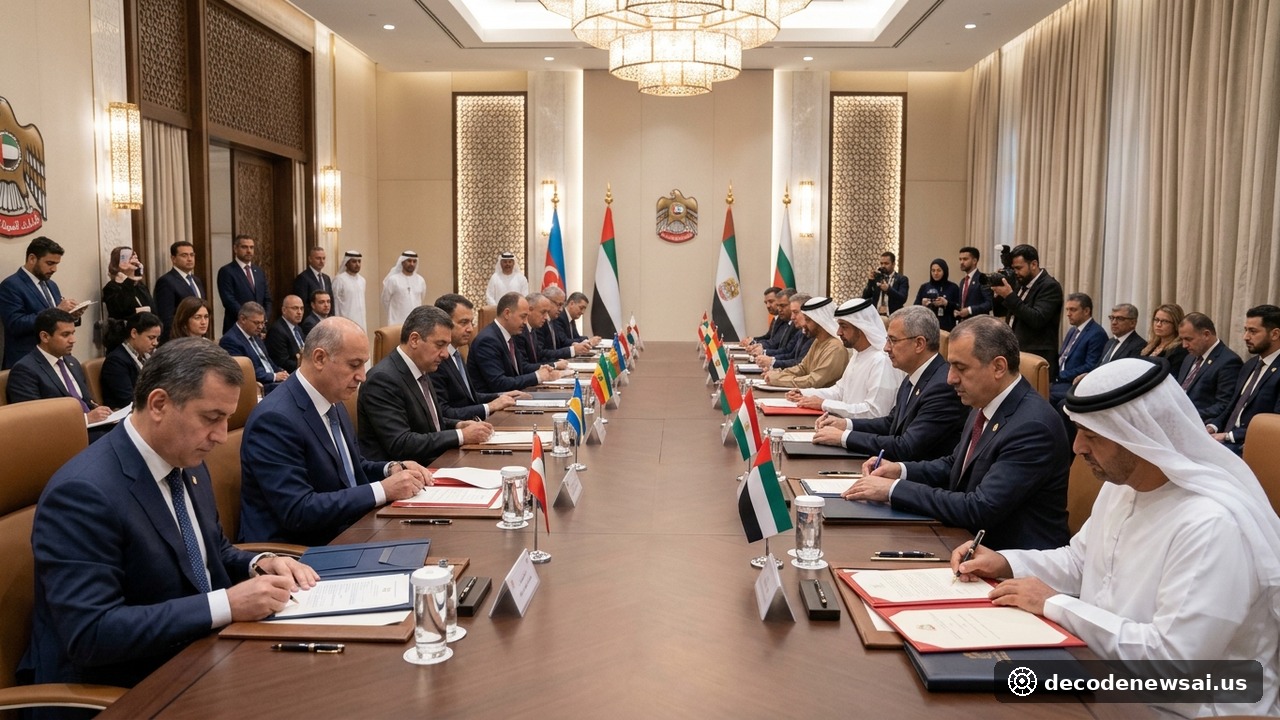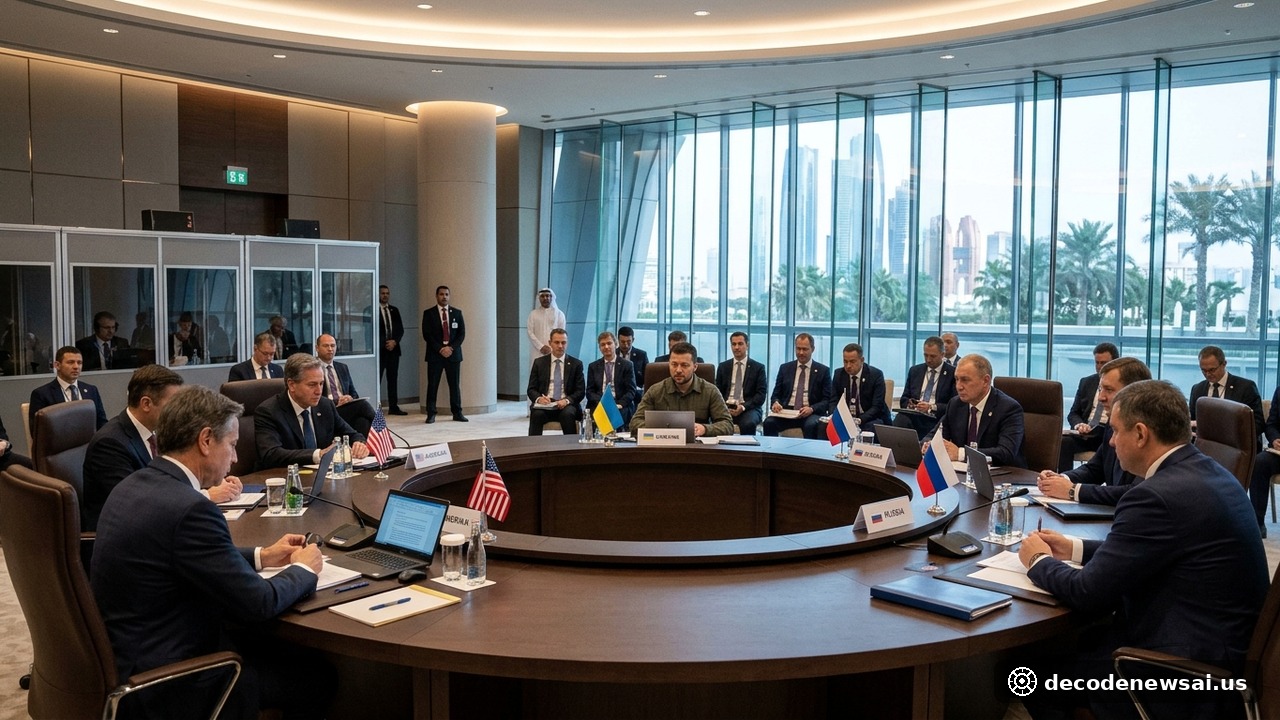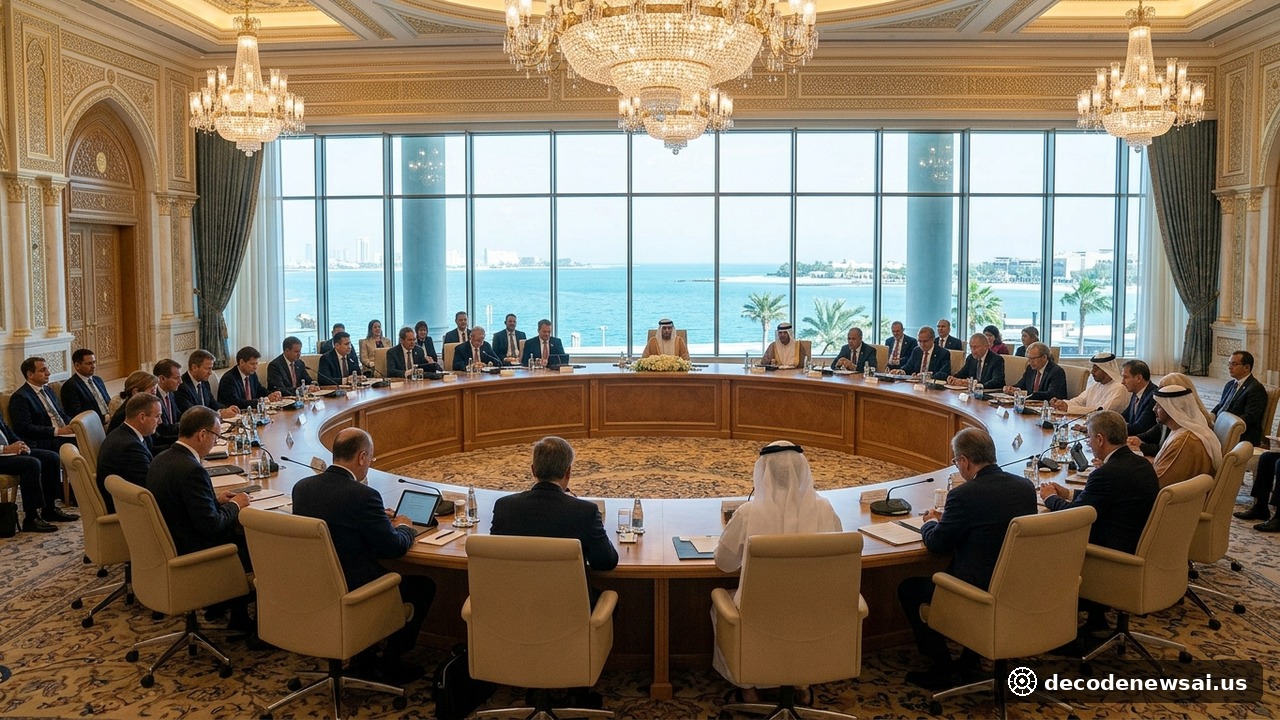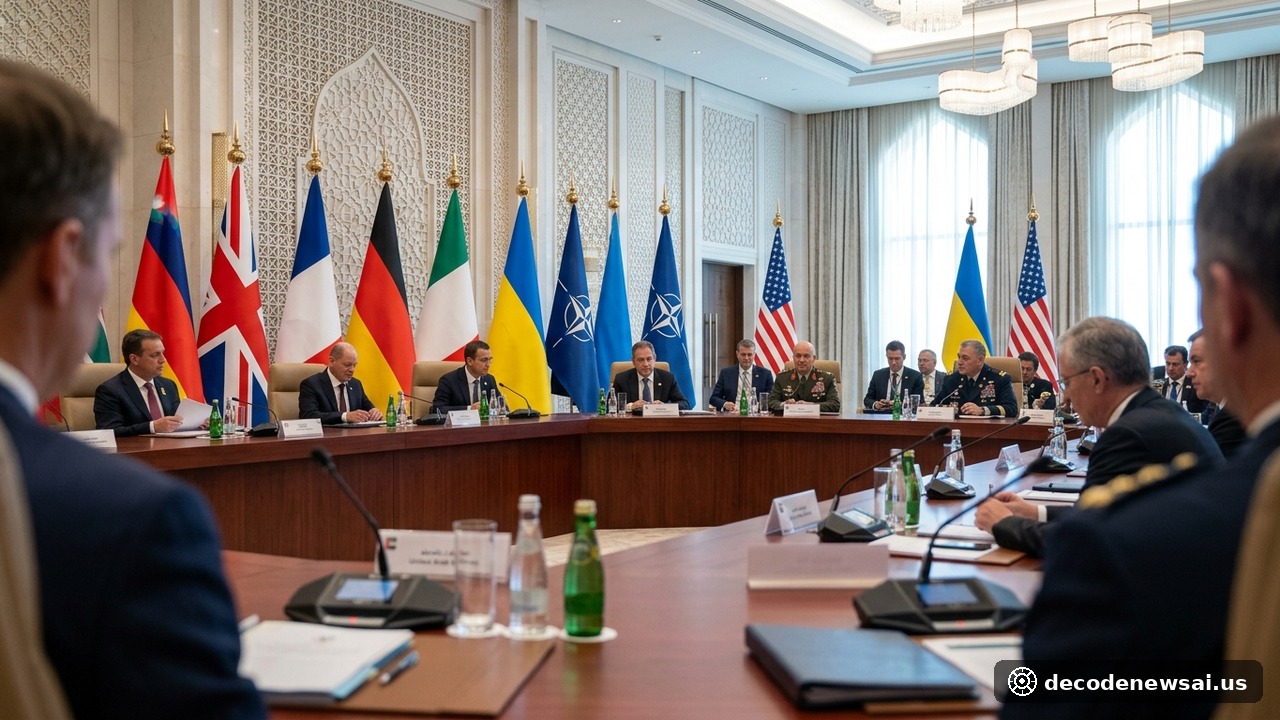
Senior diplomatic and defense delegations representing the United Kingdom, France, Germany, Italy, Ukraine, the United States, and NATO concluded high-level multilateral consultations in Abu Dhabi on Tuesday, November 10, 2026, officially releasing a comprehensive joint statement regarding the post-war European security architecture. The coordinated declaration explicitly reaffirmed that a robust and modernized North Atlantic Treaty Organization will remain the central element of Euro-Atlantic collective defense following any eventual cessation of hostilities. Convened under the diplomatic auspices of the United Arab Emirates, the diplomatic session marks an important milestone in aligning Western security commitments ahead of broader peace discussions.
Ukraine official demands ironclad security guarantees at briefing
The Abu Dhabi negotiations brought together senior intelligence directors and military planners across major allied capitals. The joint communique emphasized that enduring European stability depends upon enforceable collective defense structures designed to deter renewed territorial aggression across Eastern Europe.
During a media briefing held following the closed-door proceedings, an executive member of the Ukrainian negotiating team addressed international journalists directly. The official stated: "Achieving durable peace requires ironclad collective security guarantees that respect sovereign territorial integrity. European coordination remains our fundamental negotiation priority, and defensive capabilities must be sustained over the long term."
Beyond overarching strategic principles, participating delegations focused extensive discussions on near-term conflict mitigation protocols. The parties agreed to institutionalize multilateral crisis communication channels to monitor frontline operational dynamics and prevent unintended escalation.
French and German specialists to meet in late November on rebuilding
European partners pledged sustained technical assistance to rebuild damaged electrical infrastructure and strengthen civil defense networks across frontline municipalities. Working groups composed of French and German infrastructure specialists are scheduled to convene in late November to formalize long-term reconstruction initiatives.
International security analysts observed that the unified statement demonstrates strategic coherence between Washington and European allies. European leaders have consistently maintained that post-war continental security arrangements cannot be decided without direct European leadership.
In addition, diplomatic observers noted that open multilateral consultations prevent diplomatic fragmentation across allied capitals. Establishing clear ground rules regarding border security and defensive deployments reassures border nations while providing a transparent framework for future diplomacy. International policy foundations commended the United Arab Emirates for facilitating structured diplomatic statecraft, emphasizing that disciplined security architecture negotiations lay the indispensable groundwork for lasting peace across Eurasia.
In addition, international diplomatic researchers and European foreign policy fellows emphasized that multilateral security coordination provides crucial clarity for post-war continental reconstruction. Because international alliances rely on transparent strategic commitments, establishing predictable operational baselines mitigates diplomatic friction across neighboring sovereign territories. Western defense analysts observed that collective defense frameworks reassure border nations while providing structured pathways toward sustainable regional stability throughout the European continent.
Furthermore, regional economic development syndicates and multilateral trade federations highlighted that restoring secure overland transport corridors accelerates cross-border commercial freight transit. Diplomatic research institutes commended participating delegations for prioritizing enforceable risk-mitigation protocols, noting that pragmatic security cooperation establishes lasting foundations for European peace and stability.
In conclusion, international security strategists emphasized that structured diplomatic coordination reinforces the durability of post-war peace architectures across the European continent. Multilateral defense representatives look forward to continued negotiations in Abu Dhabi to finalize detailed security guarantees and support regional reconstruction.
Moreover, European defense policy specialists and humanitarian aid coordinators confirmed that establishing transparent deconfliction protocols protects frontline civilian populations from combat disruptions. By maintaining direct multilateral diplomatic communication channels, allied nations ensure that sovereign security guarantees remain fully integrated with ongoing European economic stabilization programs. International diplomatic delegates and regional security observers look forward to continued progress during upcoming multilateral negotiating rounds. European and American defense officials emphasized that durable peace agreements require ongoing diplomatic communication and sustained international oversight across all fronts.