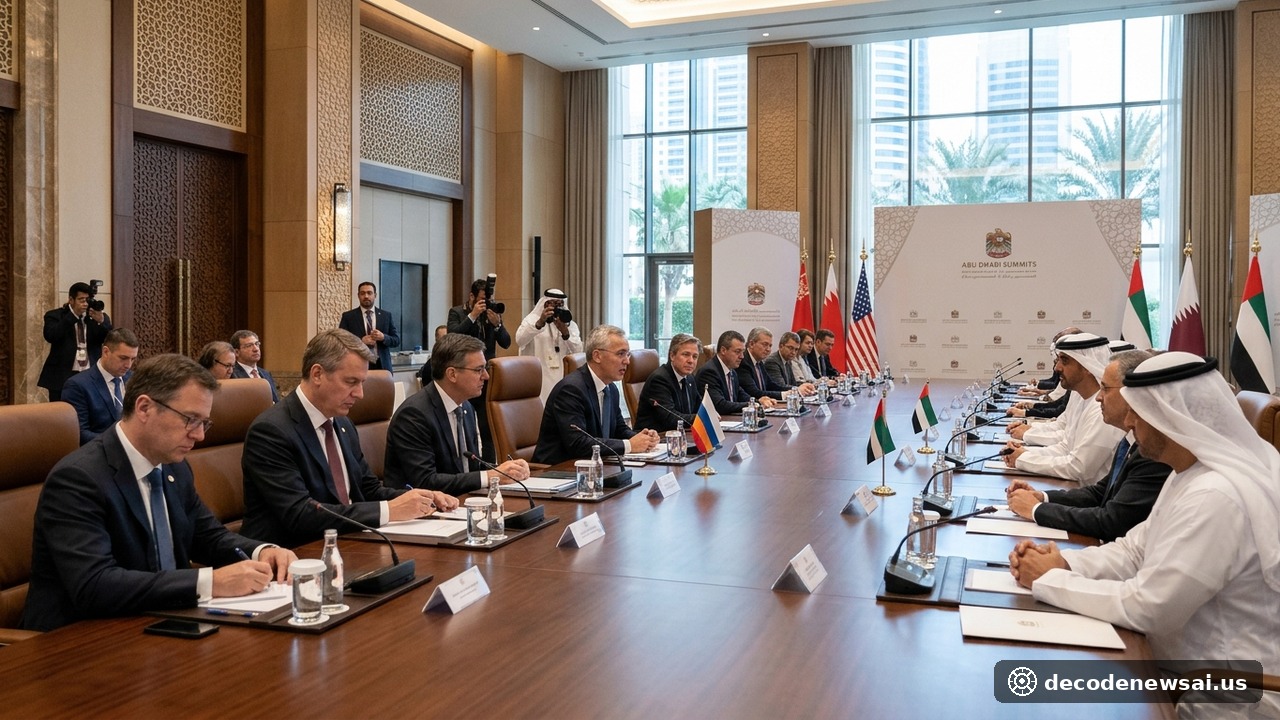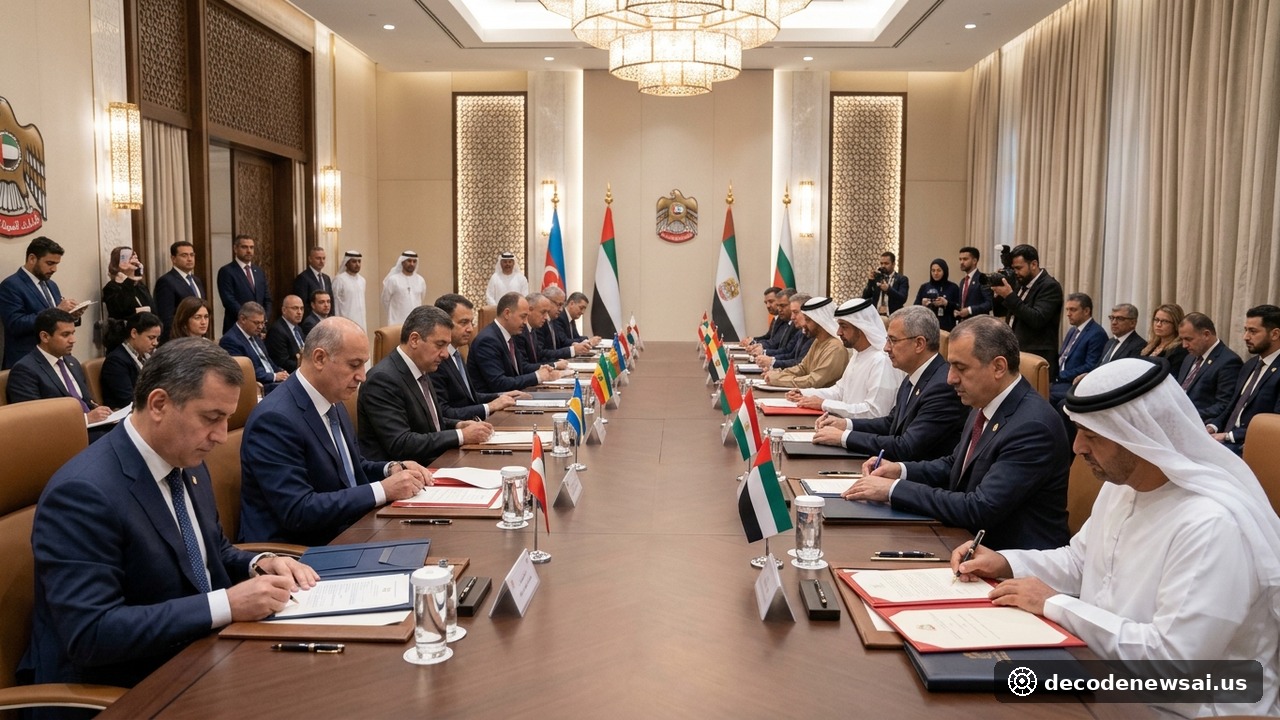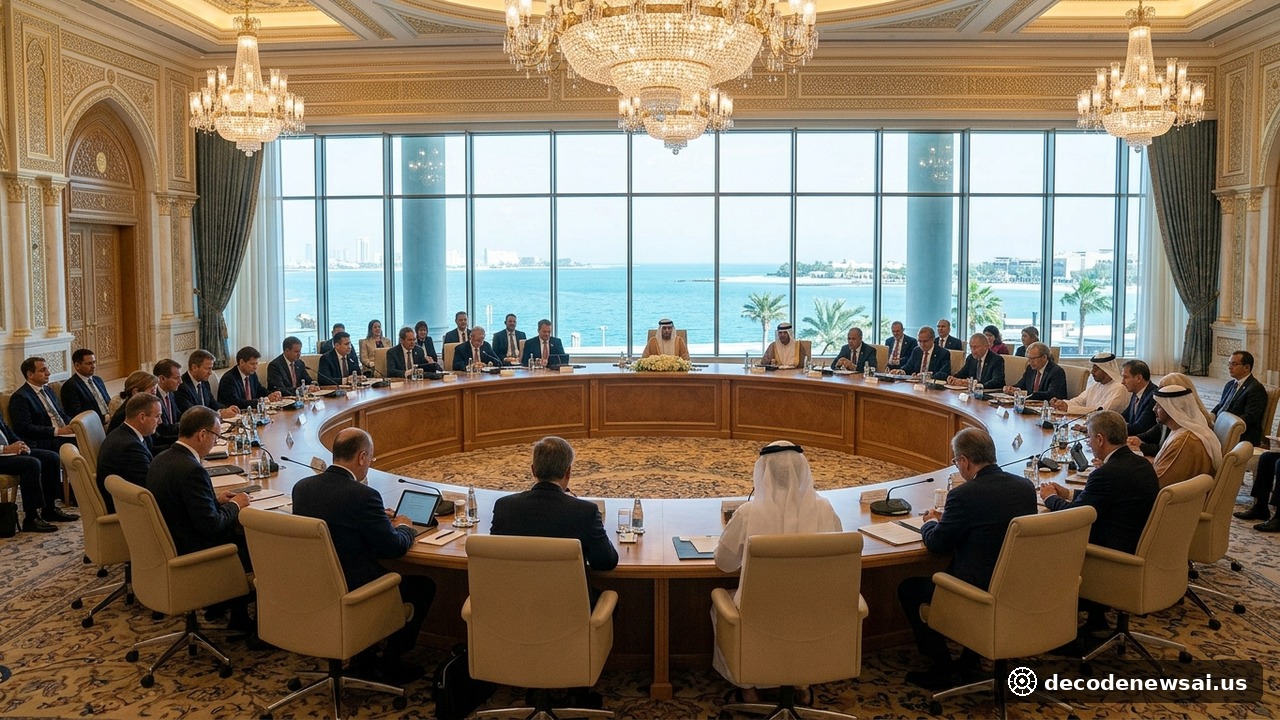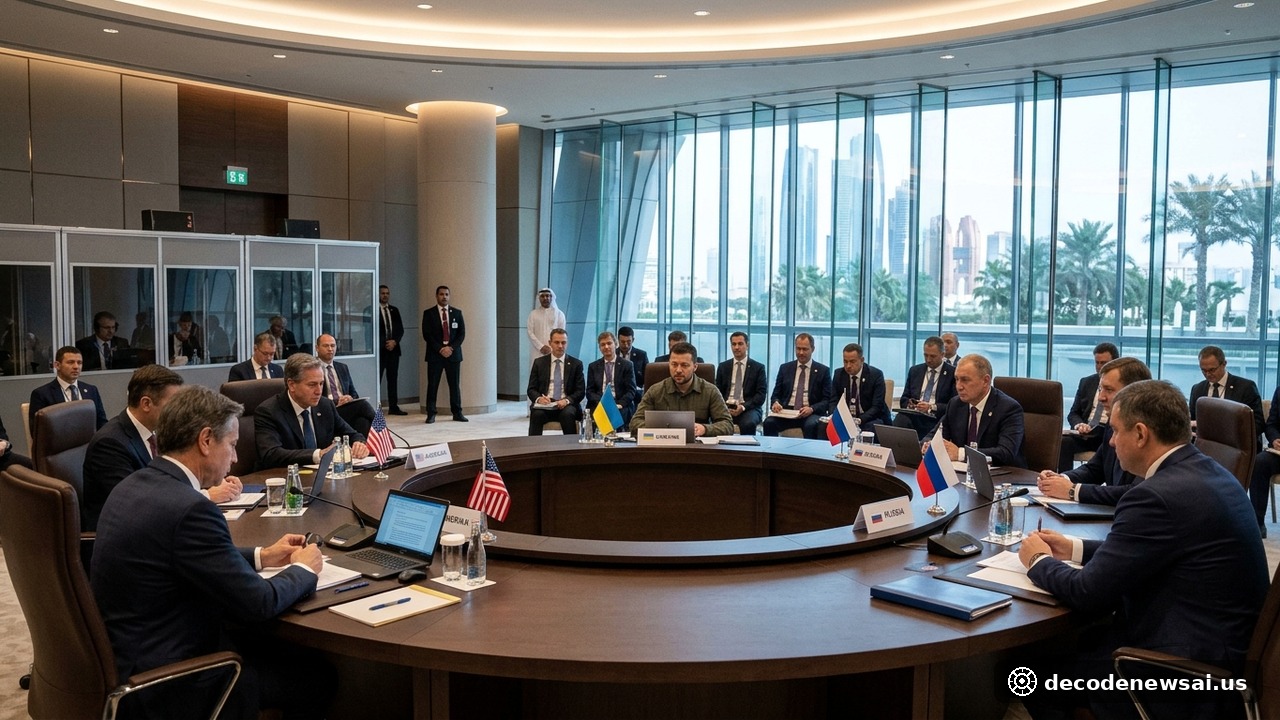
High-level diplomatic delegations representing Russia, Ukraine, and the United States convened in Abu Dhabi on November 10, 2026, marking the first formal trilateral diplomatic engagement between the warring parties in over nine months. Mediated by United States special envoys Jared Kushner and Steve Witkoff, the opening session concluded after nearly four hours of intensive closed-door consultations. Discussions centered on establishing durable post-war European security arrangements, delineating humanitarian de-escalation corridors, and addressing sovereign border guarantees ahead of scheduled follow-up talks on November 11.
Kushner cites security framework as Kyiv holds border stance
The diplomatic gathering in the United Arab Emirates represents a crucial diplomatic opening after multiple stalled initiatives throughout the year. Diplomatic representatives from Moscow and Kyiv submitted structured negotiation frameworks detailing core security conditions.
During the opening deliberations, envoys examined mechanisms for multilateral security assurances and potential demilitarized buffer zones. Following the diplomatic session, United States envoy Jared Kushner released an official statement regarding the negotiations. Kushner stated: "The hope today is not only to discuss the bilateral issues between the countries and how do we end the war. It is also how do we create the right security relationships between Ukraine and Russia and Europe so that we create a new framework securing decades of peace."
Ukrainian negotiators maintained their firm stance that internationally recognized sovereign borders remain non-negotiable under international law. The delegation insisted on concrete verification mechanisms and enforceable troop withdrawal timelines. The Russian delegation reiterated its long-standing demands regarding limits on NATO expansion and relief from international economic sanctions.
Drone strikes continue as UAE talks resume Wednesday morning
The diplomatic discussions unfolded against a backdrop of ongoing aerial bombardments across Eastern Europe. Ukrainian military authorities reported that Russian forces launched 162 unmanned aerial drones and a ballistic missile overnight, damaging five regional power substations.
Concurrently, the Russian Ministry of Defense stated that air defense units intercepted 155 Ukrainian drones across eight administrative territories and the Crimean Peninsula. The continuous targeting of civilian utility networks highlights the operational friction confronting diplomatic mediators. Both delegations acknowledged that battlefield developments exert immediate influence over negotiation leverage.
The Ministry of Foreign Affairs of the United Arab Emirates welcomed the constructive tenor of the opening talks, confirming that formal trilateral sessions will resume on Wednesday morning. International diplomatic observers and regional security analysts emphasized that sustained high-level communication between Washington, Moscow, and Kyiv provides a pragmatic avenue for exploring workable peace formulas without compromising core national interests. Bilateral trade economists noted that stabilizing maritime transit routes across the Black Sea remains essential for international agricultural exports and global food security. European diplomatic observers praised the initiative, anticipating that structured technical consultations will help bridge significant diplomatic divides as negotiations advance.
UK, France, Germany hold parallel talks in Abu Dhabi
Senior national security advisors representing the United Kingdom, France, and Germany conducted parallel diplomatic consultations in Abu Dhabi to coordinate European security policy alongside the formal trilateral talks. European diplomatic delegations evaluated the broader geopolitical implications of regional conflict de-escalation on continental defense posture and energy supply chains. French Foreign Minister Jean-Noel Barrot emphasized that European stakeholders must remain actively engaged in defining post-war security guarantees.
International defense analysts and foreign policy researchers noted that establishing trilateral communication channels represents an indispensable prerequisite for negotiating enforceable territorial and maritime stability protocols. Because unaligned diplomatic mediators offer neutral channels for exchanging technical drafts, bilateral trade associations expressed measured optimism that continued dialogue will yield tangible progress toward lasting peace.
International maritime security task forces and regional commerce coalitions underscored that establishing durable peace frameworks is essential for safeguarding international energy and agricultural shipping routes. Because direct bilateral dialogue creates predictable conditions for regional cooperation, diplomatic observers expressed confidence that sustained engagement in Abu Dhabi will lay a solid foundation for enduring geopolitical stability ahead of upcoming multilateral summits.