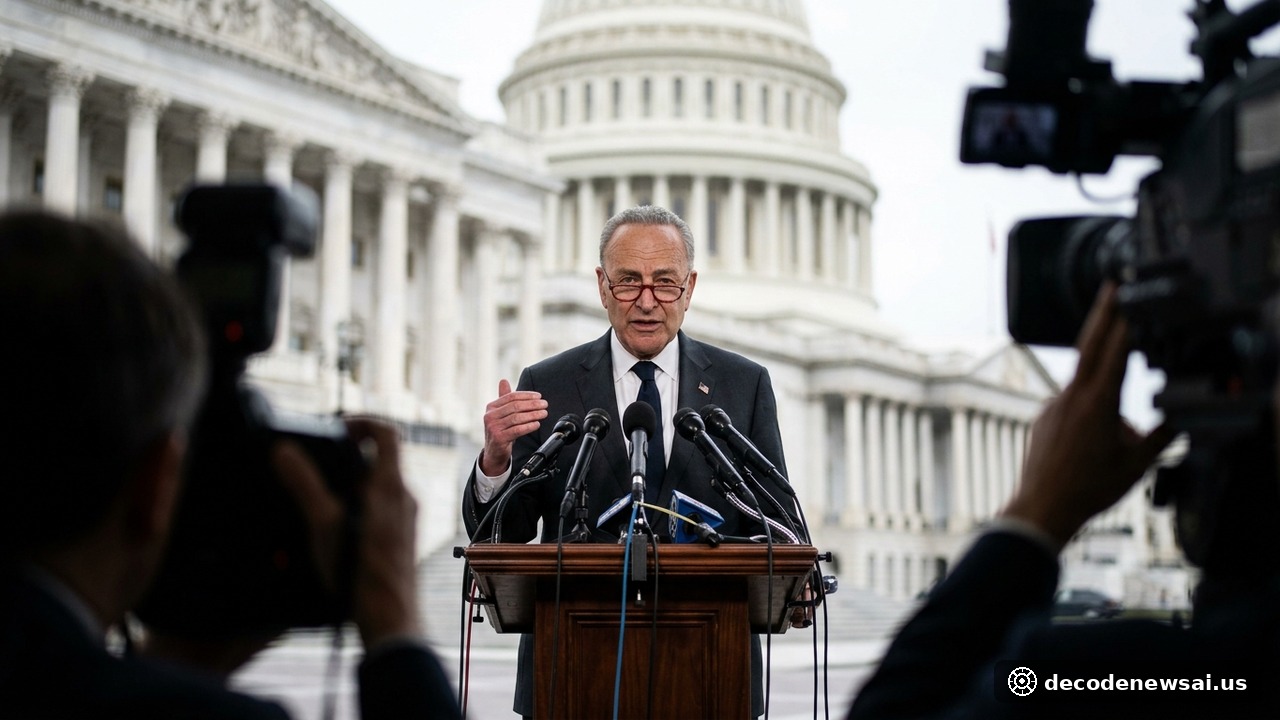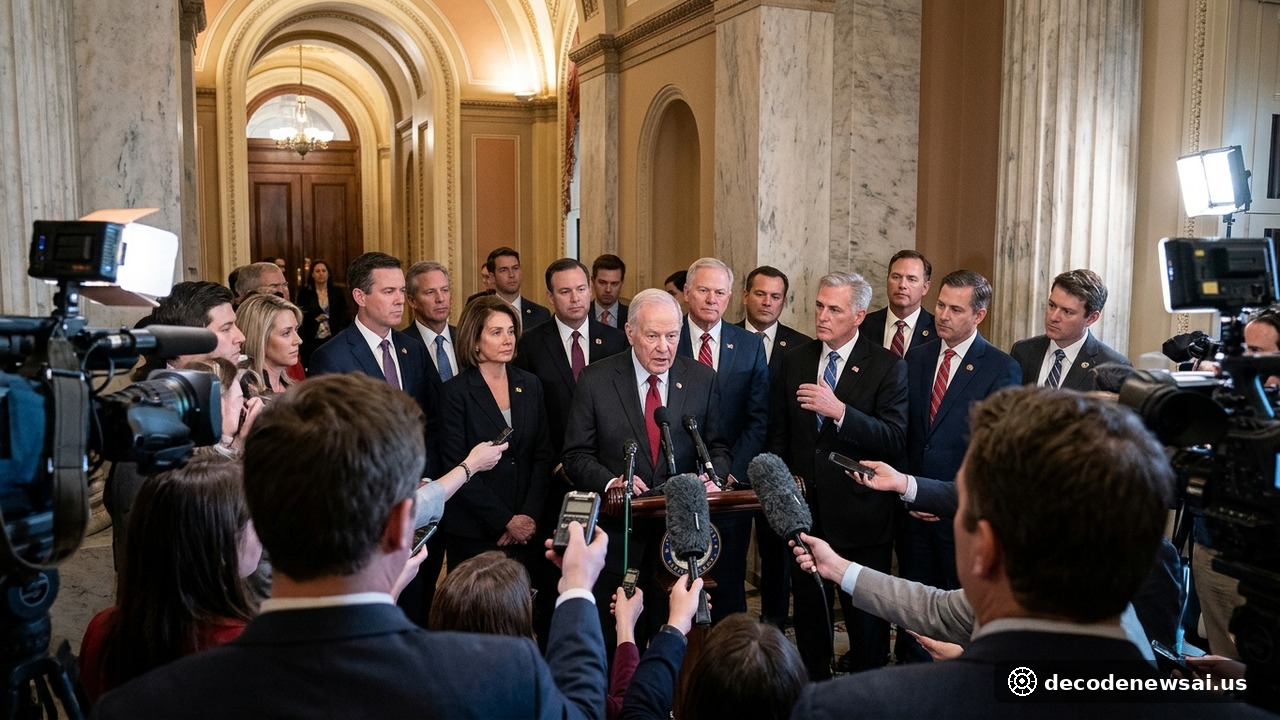
United States Senate Republicans officially conducted closed-door leadership elections at the United States Capitol on November 10, 2026, electing Senator John Thune of South Dakota as Senate Majority Leader. Thune secured 32 votes in a secret-ballot election held in the Capitol's historic Stokes Room, decisively repelling a conservative faction challenge. The electoral outcome solidifies institutional continuity across legislative operations ahead of January 2027, when Democrats are scheduled to assume constitutional majorities across both congressional chambers following midterm outcomes.
Thune pledges Article III judicial confirmation votes
Securing the party conference leadership enables Thune to dictate floor scheduling and prioritize judicial confirmation votes across the remaining weeks of the 119th Congress.
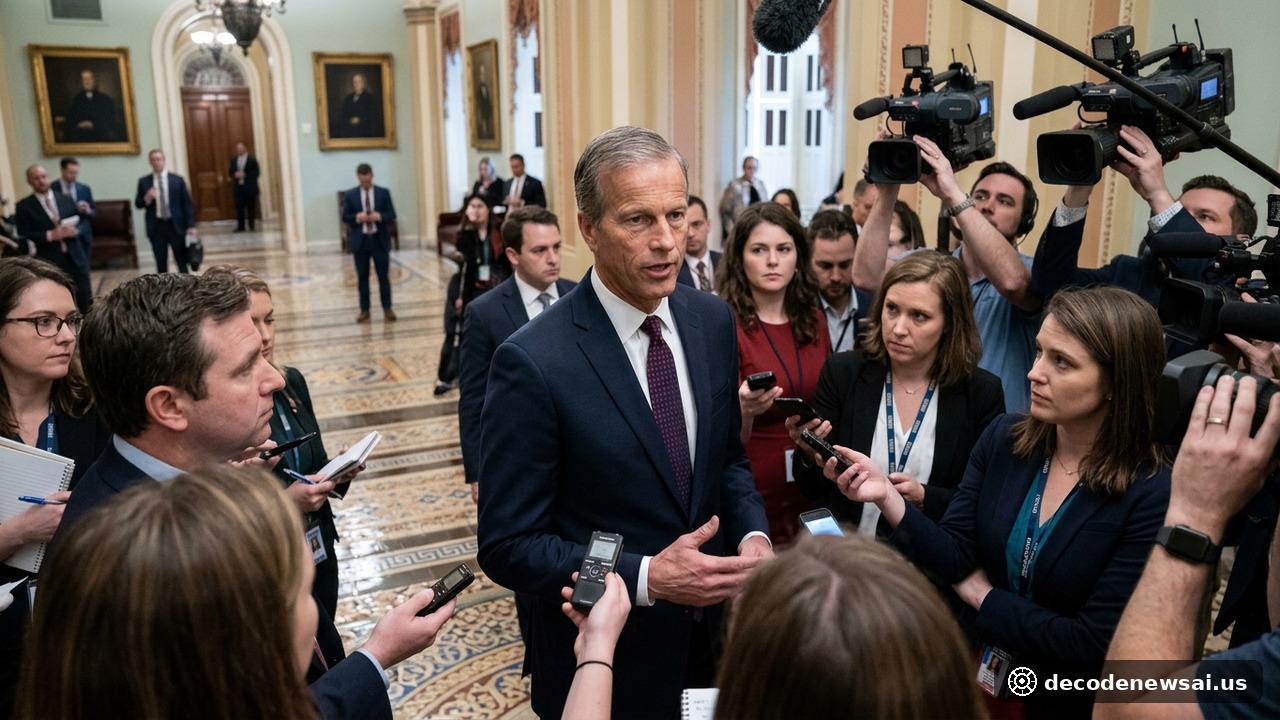
Addressing congressional correspondents following the conference vote, Majority Leader Thune affirmed that the Senate Republican conference will move deliberately to confirm pending Article III judicial nominees currently awaiting floor action. Emphasizing legislative focus, Thune stated: "The American electorate entrusted us with solemn constitutional responsibilities. Over the upcoming weeks, the Senate will sustain an aggressive floor calendar to ensure that distinguished judicial nominees receive definitive confirmation votes prior to the conclusion of the calendar year."
The commitment addresses critical concerns among committee chairs seeking to advance nominees across the Senate Committee on the Judiciary before the legislative transition.
December 11 funding deadline and Johnson filibuster push
Despite Thune's clear margin of victory, procedural divisions surfaced during early party debates, where conservative lawmakers led by Senator Ron Johnson petitioned unsuccessfully to postpone leadership votes until final ballot certifications concluded. Conservative lawmakers advocated for aggressive filibuster tactics to oppose upcoming Democratic fiscal initiatives.
Concurrently, Thune confronts an imminent statutory deadline regarding discretionary government funding set to expire on December 11, 2026. Bipartisan appropriations negotiators remain divided over discretionary funding baselines across defense and domestic accounts. Thune confirmed that Senate leaders will prioritize advancing bipartisan permitting reform amendments while negotiating supplemental funding frameworks to prevent disruptive administrative government shutdowns.
Congressional governance researchers and constitutional law faculty observed that maintaining experienced leadership continuity across the Senate Republican conference facilitates stable legislative coordination during transitional congressional sessions. Because Article III judicial confirmations require meticulous committee vetting and structured floor time allocation, experienced majority management ensures that statutory vacancies across federal circuit and district courts are resolved expeditiously. Judicial reform organizations and legal professional bar associations commended efforts to prioritize merit-based nominations, noting that filling critical bench vacancies reduces case backlogs and supports timely civil justice administration nationwide.
Defense oversight and judicial vetting draw praise
Executive branch legal scholars and defense management consultants emphasized that constructive collaboration between congressional committees and defense department leadership supports long-term strategic coherence. Transparent administrative reviews and disciplined civilian oversight maintain public confidence while ensuring that armed forces personnel receive the vital resources necessary to fulfill statutory defense commitments across global operating theaters. Furthermore, senior legislative aides noted that maintaining regular consultation between the Pentagon and Capitol Hill fosters bipartisan consensus on critical readiness programs and troop support initiatives.
Legal analysts and parliamentary procedure specialists observed that transparent committee deliberations reinforce institutional stability during transitional periods. By adhering to regular order and conducting thorough vetting, legislative leaders ensure that judicial vacancies are filled by highly qualified candidates. Good-government organizations commended the dedication to statutory responsibilities, noting that a fully staffed judiciary is essential for protecting the rule of law and maintaining public confidence.
Congressional oversight staff and legislative leadership confirmed that ongoing coordination across defense subcommittees will prioritize stable operational planning and transparent program evaluations throughout the upcoming fiscal legislative review. In addition, legal scholars noted that disciplined administrative processes and structured congressional oversight maintain vital stability throughout statutory legislative review windows. Such balanced legislative procedures protect institutional integrity while advancing critical judicial administration priorities.