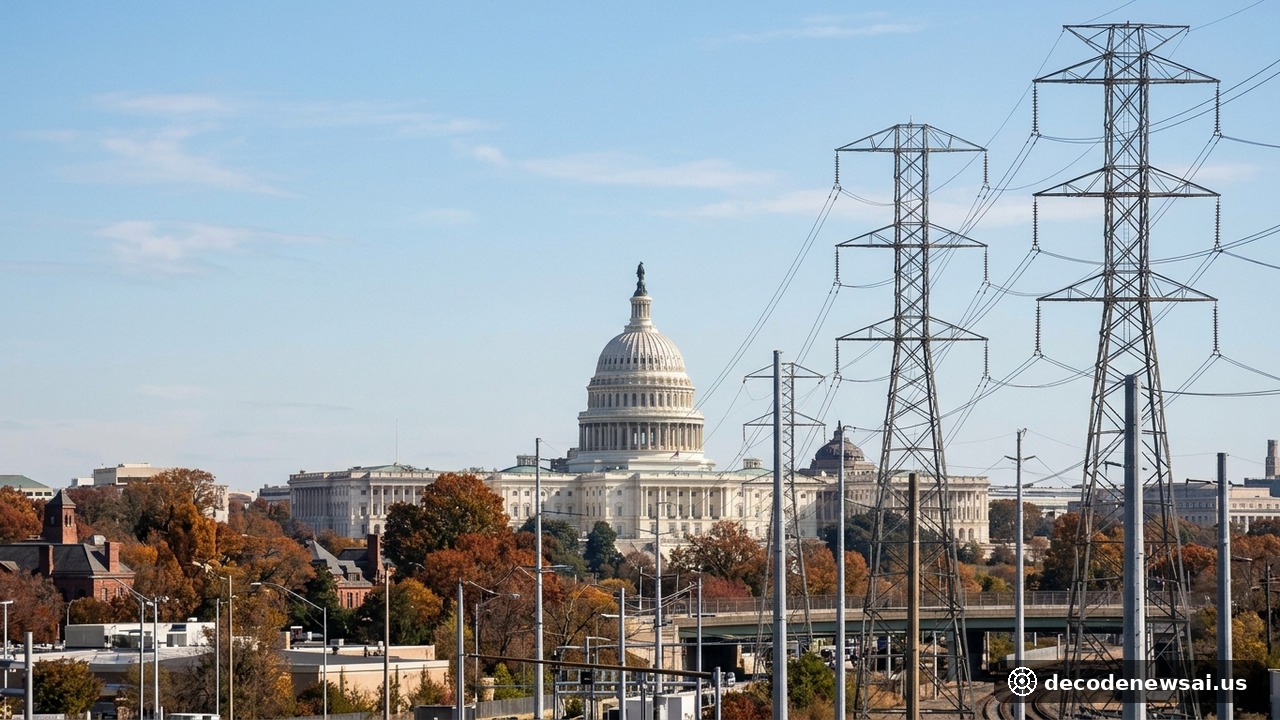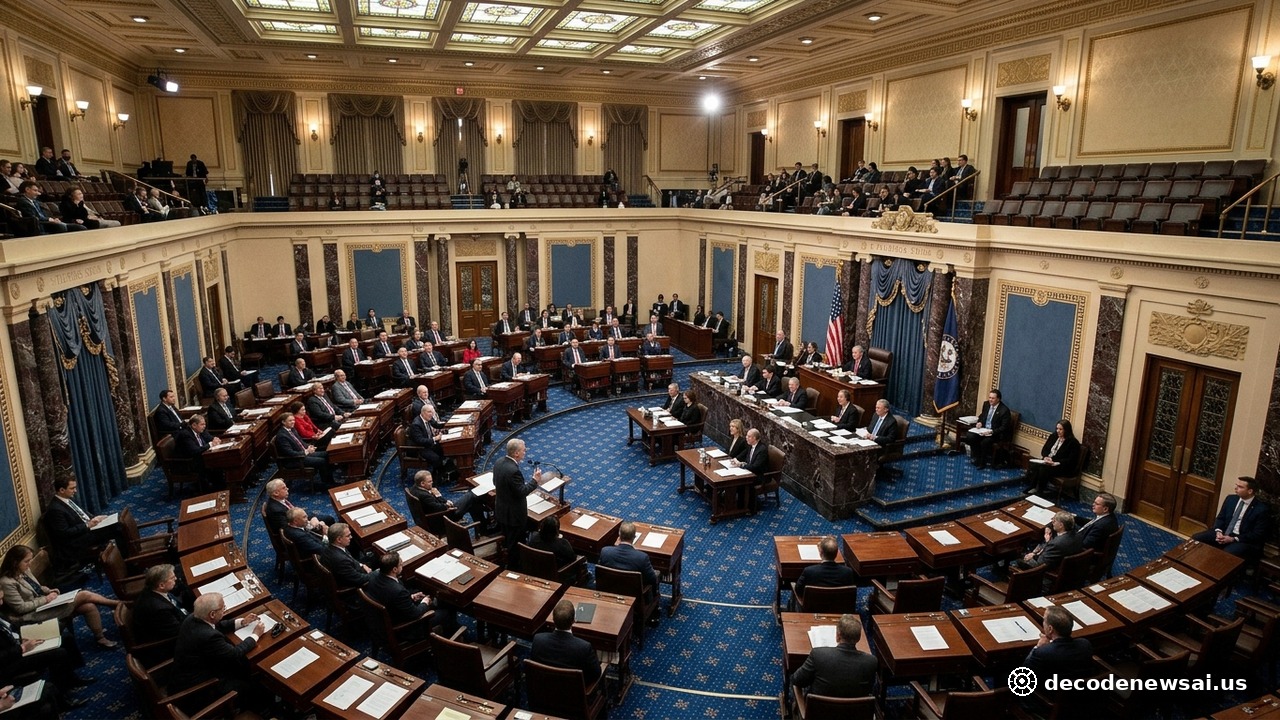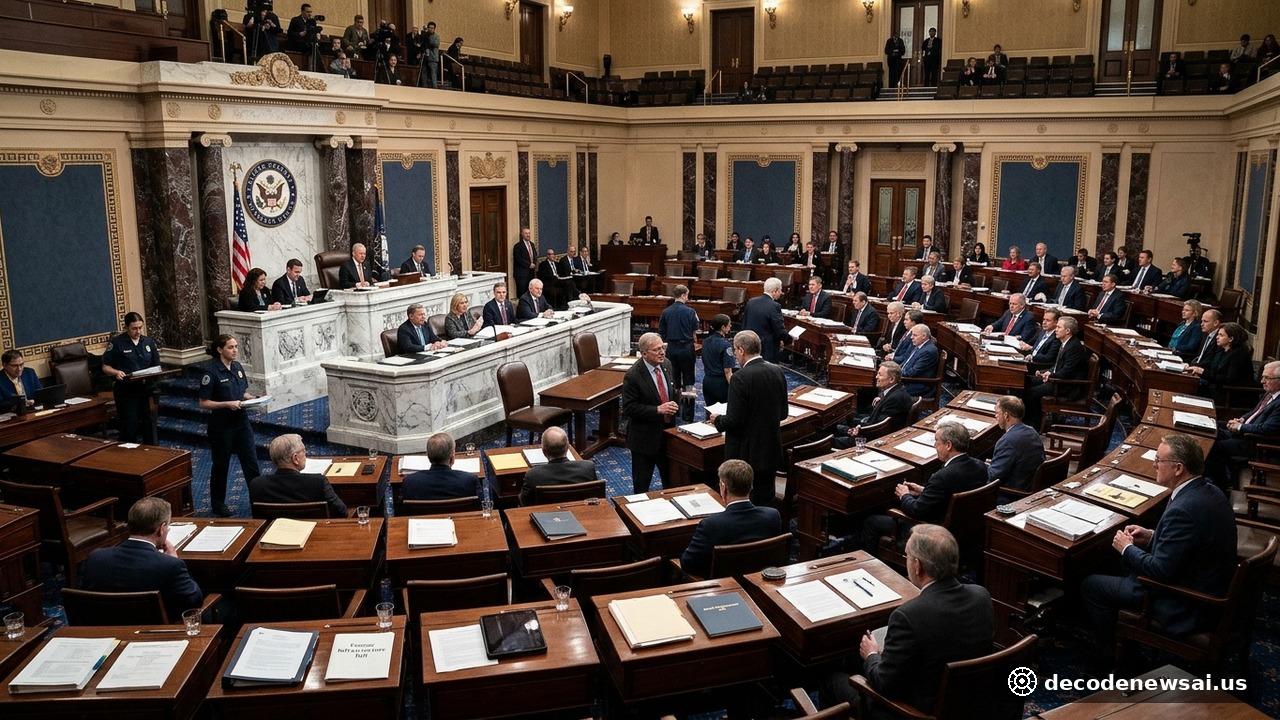
The United States Senate voted 73-25 on November 9, 2026, to advance the Bipartisan American Affordability and Jobs Act (H.R. 2347), clearing a critical 60-vote procedural hurdle to overhaul federal energy infrastructure permitting. The bipartisan breakthrough saw 22 Democrats join Republicans in supporting the measure, which aims to accelerate regulatory reviews for power generation projects while establishing strict statutory mandates requiring large artificial intelligence data centers to pay for their required electrical grid upgrades.
Heinrich and colleagues draft data center grid cost rules
The legislation was drafted through months of negotiations led by Senators Martin Heinrich of New Mexico, Sheldon Whitehouse of Rhode Island, Shelley Moore Capito of West Virginia, and Mike Lee of Utah.
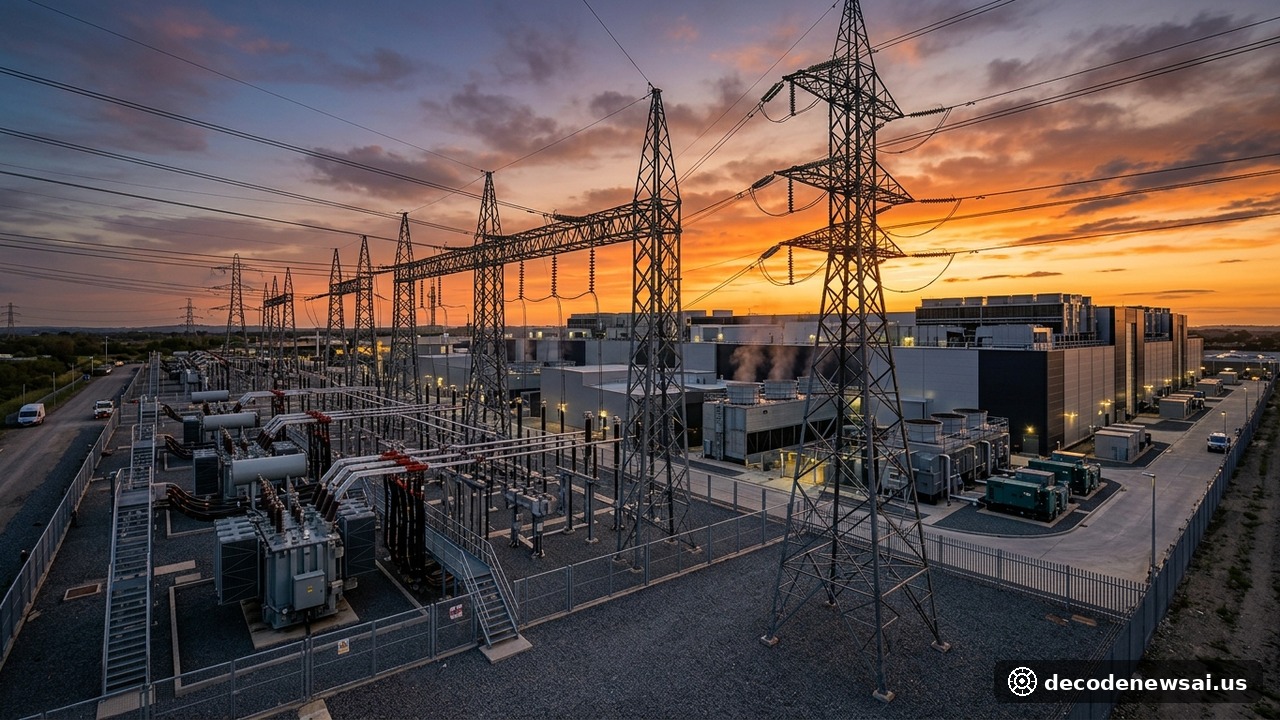
A primary provision of the bill directly addresses escalating grid congestion and consumer rate increases driven by energy-intensive artificial intelligence facilities. The statute directs the Federal Energy Regulatory Commission (FERC) to overhaul interstate transmission pricing formulas within 90 days of enactment. During floor debate, Senator Heinrich stated: "Advanced computing facilities consume unprecedented volumes of electrical power. This legislation guarantees that corporate developers pay their fair share of grid expansion expenses rather than shifting costs onto utility bills of working households."
Economic modeling conducted by the Brattle Group indicates that the cost-allocation requirements will require commercial data center operators to pay approximately $35 billion more in grid infrastructure improvements over the next decade.
Bill sets 230 kV permits and 150-day NEPA challenge limit
The compromise legislation also introduces sweeping revisions to environmental review processes. For qualifying transmission lines operating at 230 kilovolts or above, FERC will be authorized to issue backstop federal construction permits if state regulatory bodies fail to act within one year.
Additionally, the statute establishes a strict 150-day statute of limitations for filing legal challenges under the National Environmental Policy Act (NEPA), sharply curtailing protracted judicial delays that have previously stalled major clean energy and fossil-fuel transmission corridors. Clean energy associations and industrial energy producers strongly endorsed the procedural reforms, arguing that predictable construction timelines are indispensable for national energy security. However, environmental coalitions and Native American tribal nations voiced sharp opposition, contending that abbreviated judicial windows undermine localized community oversight.
While the overwhelming Senate vote cleared the path for full chamber debate, the legislative package faces substantive hurdles in the House of Representatives. House Democratic leadership indicated that members will seek amendments regarding tribal sovereignty and environmental protections before consenting to final passage.
Bipartisan vote reshapes AI grid cost and NEPA timelines
The Senate's decisive bipartisan vote marks a transformative inflection point in national energy policy, reconciling the rapid expansion of artificial intelligence computational infrastructure with retail electricity rate stability. By mandating that commercial operators shoulder the direct capital costs of required electrical substation and transmission enhancements, the statutory framework shields residential ratepayers from bearing speculative utility expenditures.
Energy market economists and industrial utility confederations noted that shortening administrative review timelines under NEPA will unlock hundreds of billions of dollars in delayed private capital investments across high-voltage transmission lines, utility-scale solar installations, and next-generation nuclear power plants. Congressional observers anticipate robust floor debate as the measure advances toward final consideration in the House of Representatives.
Industrial infrastructure analysts and clean energy economists affirmed that establishing transparent cost-allocation standards provides vital regulatory certainty for major capital investments. As commercial developers coordinate with regional power utilities to construct high-capacity substations, statutory protections ensure that domestic consumers enjoy affordable, reliable electricity alongside rapid technological innovation.
Committee staff and regulators plan implementation after enactment
Congressional leaders confirmed that committee staff will collaborate closely with regional transmission organizations to ensure smooth statutory implementation. Energy stakeholders anticipate that transparent regulatory frameworks will accelerate grid reliability enhancements for decades to come.
Additionally, regional utility commissioners noted that structured cost allocations will protect family energy budgets during seasonal demand surges. Federal regulators confirmed that procedural guidelines will be issued expeditiously following final legislative enactment by Congress.