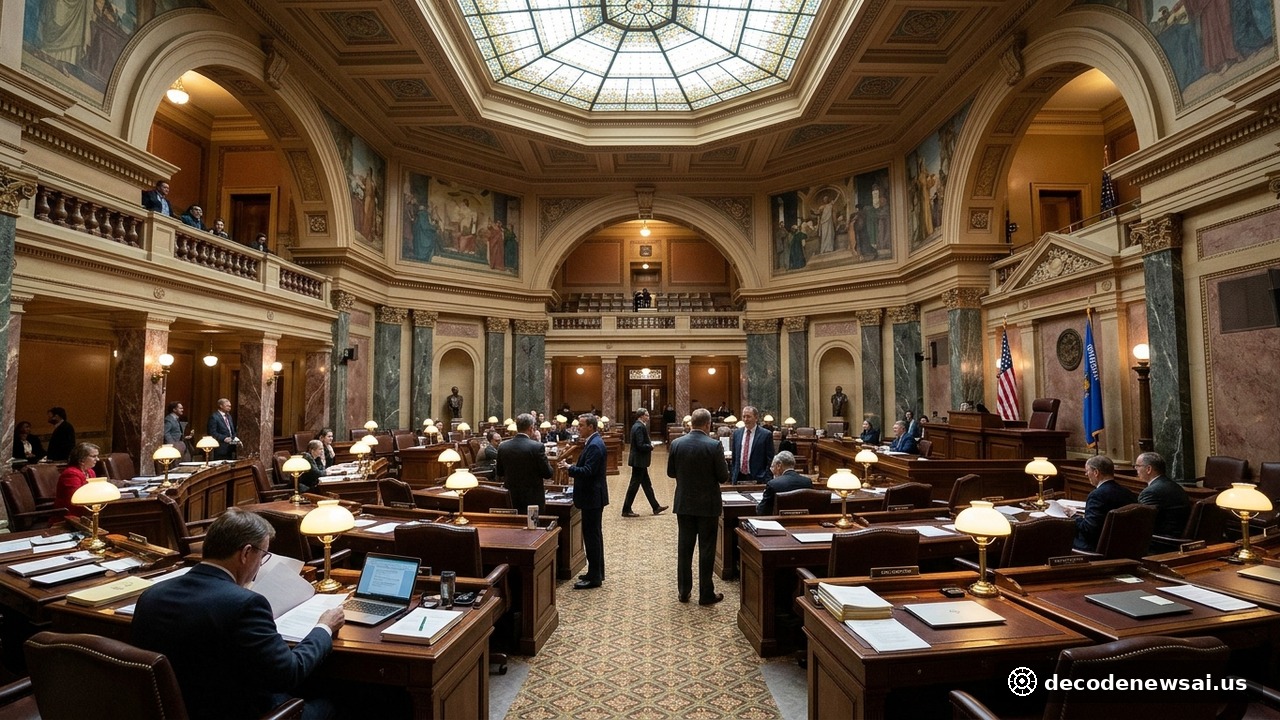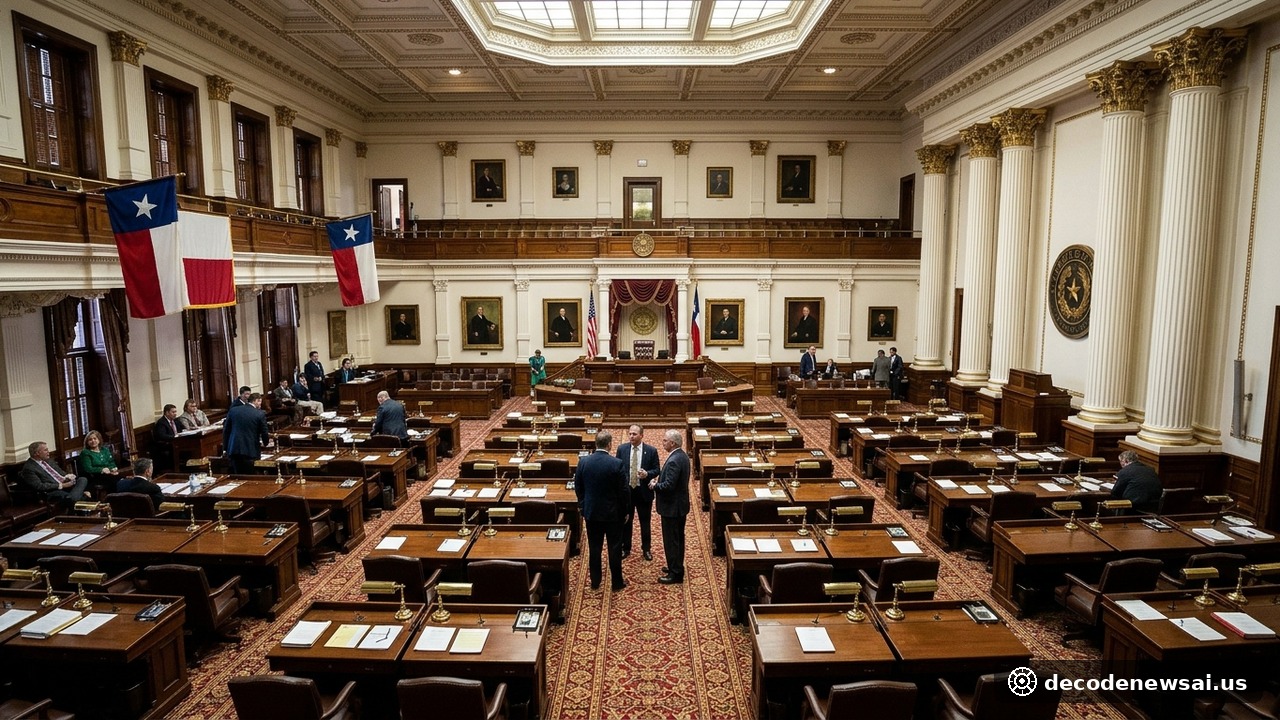
Outgoing Texas Lieutenant Governor Dan Patrick publicly endorsed legislative rule changes on November 9, 2026, aimed at curbing the official powers of his newly elected Democratic successor. The political confrontation comes in the immediate wake of unexpected midterm election upsets across Texas. Patrick was defeated by Democratic state Representative Vikki Goodwin by an approximate six-point margin, ending his decade-long tenure in statewide office. Patrick urged Senate Republicans to rewrite operational chamber procedures before the upcoming legislative term begins. The proposal seeks to neutralize the authority of incoming Democrats.
Texas executive sweep leaves GOP Senate majority
Under the Texas Constitution, the lieutenant governor exercises immense legislative leverage by presiding directly over the state Senate. The position determines committee appointments, assigns pending legislation to specific panels, and directs chamber debate schedules. Since assuming office in 2015, Patrick wielded these administrative powers to shepherd hardline conservative policy priorities through the legislature.
The midterm outcome fundamentally reshuffled the state's traditional political alignment. Democratic candidates captured the governorship, flipped the Texas House of Representatives, and unseated long-serving executive incumbents. State Representative Gina Hinojosa defeated incumbent Governor Greg Abbott by roughly seven percentage points, becoming the first Democrat to win the governor's mansion in more than three decades.
Despite the statewide executive sweep, Republicans preserved a 19-to-12 majority in the Texas Senate. That division creates a rare scenario where a Democratic lieutenant governor must preside over a chamber controlled by opposing partisans. Republican lawmakers fear that Goodwin will use procedural prerogatives to obstruct conservative initiatives.
Goodwin denounces effort as undemocratic power grab
Addressing reporters at the state capitol in Austin, Patrick advocated reassigning committee leadership selection to the Senate president pro tempore, an office elected directly by the Republican majority. Patrick defended the maneuver as essential protection. Patrick stated: "The Senate majority must protect the policy priorities of Texas families, and we cannot permit an opposing agenda to control chamber proceedings."
Lieutenant Governor-elect Goodwin denounced the effort as an undemocratic attempt to subvert the will of Texas voters. Goodwin stated that voters delivered a clear mandate for checks and balances across state government. Democratic leaders in the Texas House warned that unilaterally stripping statutory duties established by century-old custom could provoke immediate constitutional challenges in state courts.
Constitutional scholars noted that while the lieutenant governor's legislative influence is formidable, most specific chamber controls stem from internal Senate rules adopted at the start of each biennial session. A simple majority vote of 16 senators can theoretically overhaul committee appointment structures and referral mandates. However, dismantling those mechanisms would mark an unprecedented institutional rupture.
Texas Legislature to convene 90th session in January 2027
The looming dispute illustrates the frictions of divided governance in the nation's second-largest state. Governor-elect Hinojosa reiterated plans to advance public school funding expansions and healthcare access through bipartisan compromise with Senate moderates. Meanwhile, conservative caucuses remain determined to defend border security appropriations and commercial tax reductions.
The Texas Legislature will convene its 90th regular session in Austin in January 2027. Both caucuses plan extensive strategy retreats over coming weeks to determine whether to enact the rule changes or seek a power-sharing accord. The political trajectory of the state rests on the outcome.
Political strategists and constitutional scholars emphasized that deep institutional shifts in state legislatures frequently generate severe administrative conflicts between incoming executives and entrenched majorities. Because the Texas lieutenant governor holds substantial statutory prerogatives over Senate floor deliberations, partisan efforts to alter chamber operational rules introduce lasting procedural precedents for legislative governance. State legislative reform coalitions and civic transparency advocates called upon both parties to respect constitutional traditions and avoid administrative paralysis during upcoming budget deliberations. Governor-elect Hinojosa confirmed plans to maintain active liaison channels with legislative caucuses to advance consensus policies on local infrastructure, public education funding, and economic development. National observers noted that the resolution of the Texas Senate leadership dispute will establish crucial benchmarks for divided governance across the American South.