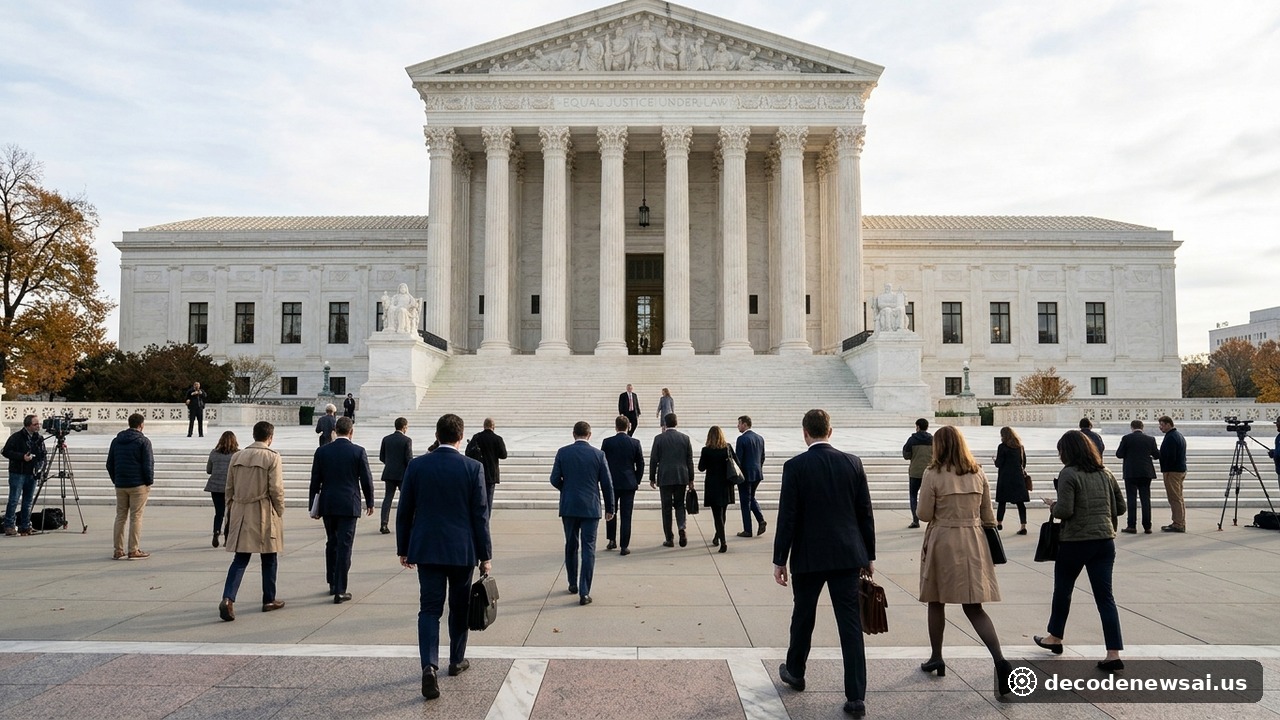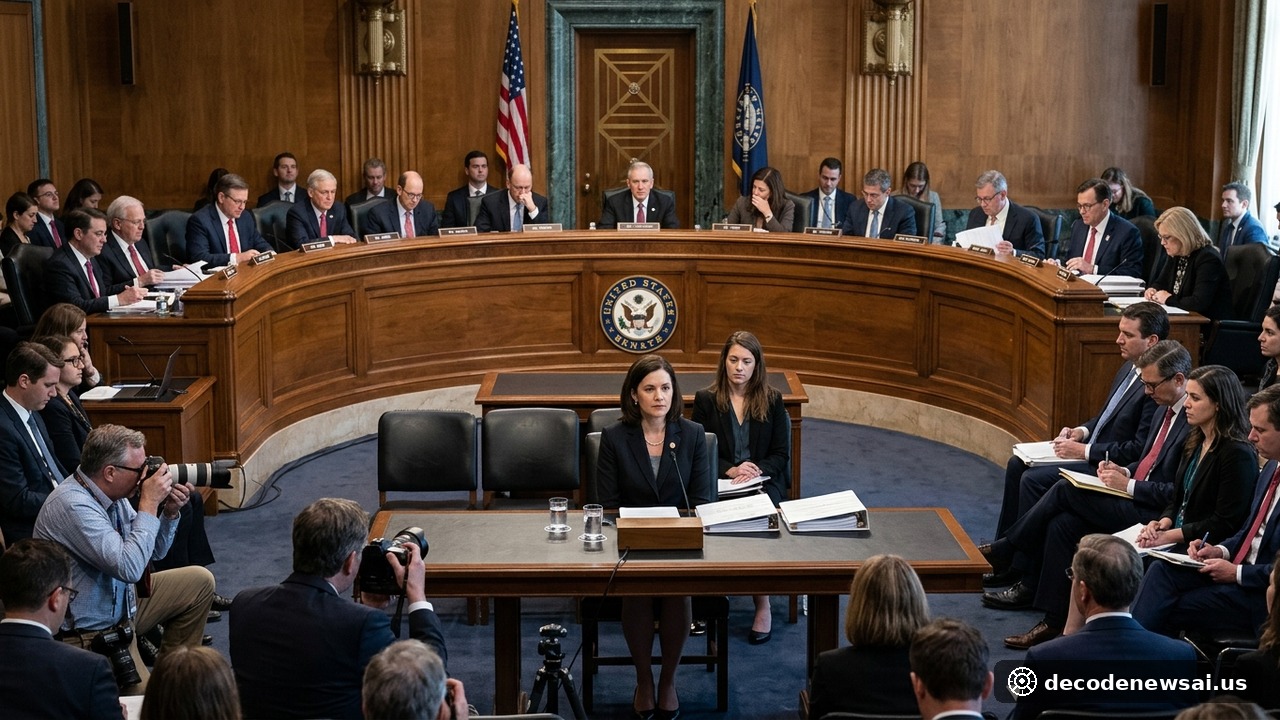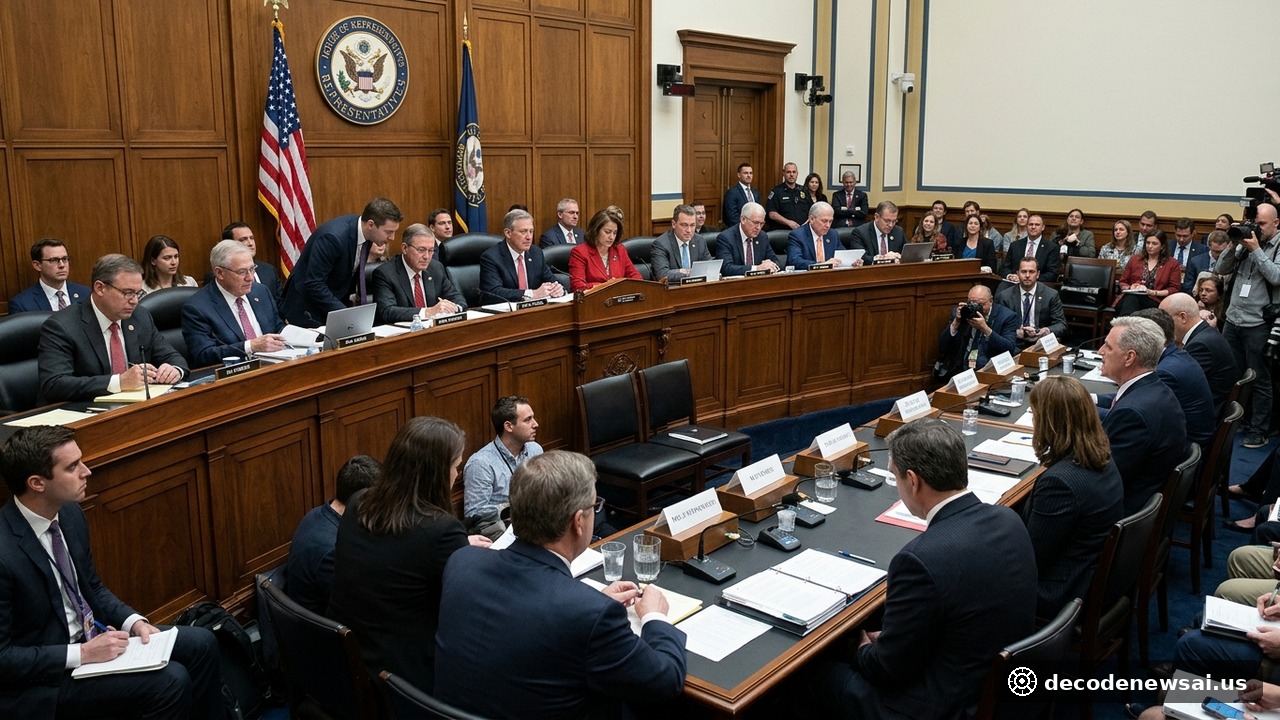
Representative Chris Smith, Chairman of the House Foreign Affairs Subcommittee on Africa, announced on November 9, 2026, that the panel will convene an official congressional oversight hearing on Thursday, November 12, 2026. Titled "One Year Later: Assessing Religious Persecution and Violence in Nigeria," the hearing will examine escalating attacks targeting Christian agrarian communities and moderate religious minorities across Nigeria's volatile Middle Belt region. The session represents the fourteenth congressional inquiry led by Smith examining systemic sectarian violence and evaluating the efficacy of United States diplomatic engagement in West Africa.
Hearing to scrutinize Tinubu response and CPC removal
According to official committee background materials, the hearing will investigate recurring armed incursions perpetrated by radical Islamist factions, including remnants of Boko Haram, Islamic State West Africa Province (ISWAP), and militarized ethnic militias. Testifying witnesses will include international human rights attorneys, displaced victims' advocates, and former foreign service officers who have documented systemic assaults on rural villages and places of worship.
The congressional panel will scrutinize whether the Nigerian federal government under President Bola Tinubu is taking sufficient operational measures to halt sectarian violence, demobilize armed groups, and prosecute organizers of communal atrocities. Lawmakers expressed bipartisan frustration over the chronic lack of judicial accountability and judicial enforcement across affected northern and central states.
Chairman Smith reiterated long-standing demands for the United States Department of State to re-evaluate its diplomatic posture toward Abuja. Smith sharply criticized the executive branch's prior administrative decision to remove Nigeria from the annual list of Countries of Particular Concern (CPC), a statutory designation under the International Religious Freedom Act governing severe violators of religious freedom.
Smith presses State Department amid lame-duck session
In a formal press statement issued from Capitol Hill on Monday, Smith emphasized that Washington cannot overlook systemic humanitarian violations. Smith stated: "The United States must take decisive steps to ensure Nigerian officials are addressing and preventing systemic violence against Christians and non-radical Muslims by Islamist extremists."
The hearing unfolds during a politically charged lame-duck congressional session following significant partisan shifts in the 2026 midterm elections. With leadership of House committees scheduled to transition in the 120th Congress, lawmakers are seeking to establish binding statutory benchmarks for regional security assistance and humanitarian program oversight administered by the State Department and USAID.
Senior administrative witnesses, including representatives from the Bureau of Conflict and Stabilization Operations, are scheduled to appear before the panel in the Rayburn House Office Building. The proceedings will significantly influence congressional authorizations for West African security cooperation and bilateral human rights certifications throughout the upcoming fiscal year.
Scholars say hearings shape foreign assistance standards
Constitutional scholars and human rights monitoring organizations underscored that congressional oversight hearings serve as pivotal instruments for shaping bilateral foreign assistance standards. By focusing legislative scrutiny on persistent communal violence across West Africa, lawmakers seek to ensure that United States security assistance programs strictly adhere to statutory human rights benchmarks. Foreign policy analysts noted that bipartisan congressional pressure often prompts administrative agencies to strengthen programmatic monitoring and deploy specialized conflict-mitigation advisors into vulnerable rural jurisdictions. The forthcoming testimony is expected to provide empirical documentation regarding rural displacement patterns, civilian security vacuums, and the judicial reforms required to restore communal stability. Congressional leadership affirmed that sustaining bipartisan engagement on international religious freedom remains a top legislative priority as committee responsibilities transition ahead of the upcoming legislative session.
Legislative aides and international legal scholars noted that targeted congressional inquiries maintain long-term diplomatic focus on human rights accountability. Ensuring that bilateral foreign assistance aligns with statutory religious freedom criteria provides essential safeguards for vulnerable civilian populations. The subcommittee's forthcoming findings are expected to inform upcoming foreign authorization bills across the next legislative session.