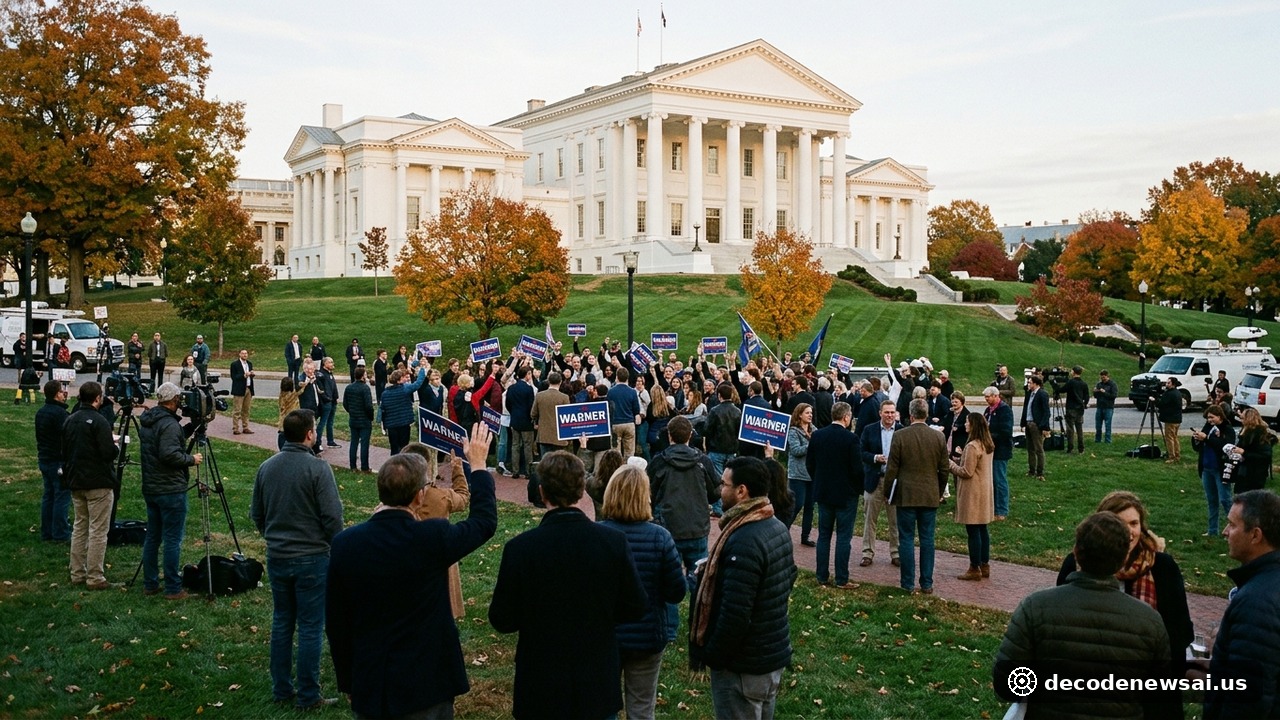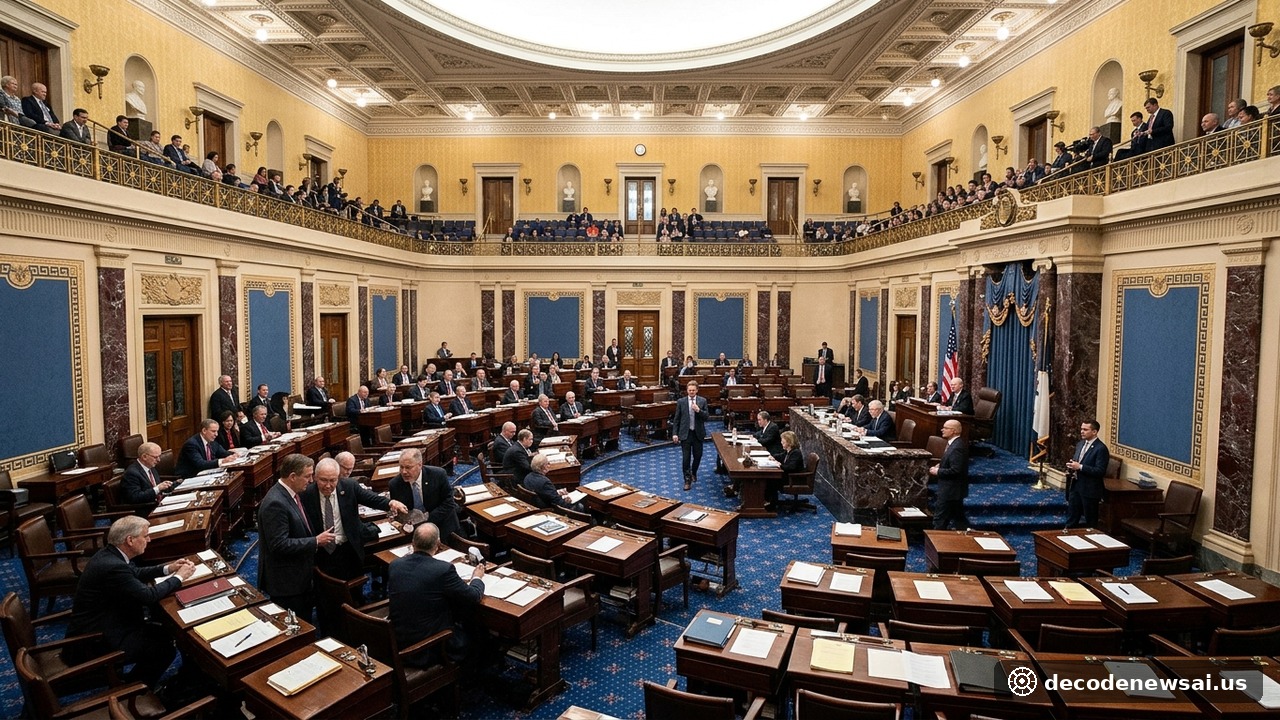
The United States Senate voted on Tuesday, November 10, 2026, to advance the Bipartisan American Affordability and Jobs Act of 2026 (BAAJA). The procedural roll call vote clears the path for comprehensive federal permitting reform designed to streamline environmental reviews, eliminate administrative bottlenecks, and accelerate construction timelines for high-voltage interstate electric transmission lines, renewable energy projects, and large-scale artificial intelligence data centers across the country. Senate Clears Procedural Hurdle to Advance Landmark Federal Permitting Legislation The successful procedural vote reflects a hard-fought legislative compromise forged between moderate lawmakers from both major political parties seeking to modernize outdated federal infrastructure reviews.
Bill caps NEPA reviews and speeds interstate grids and AI data centers
According to official legislative records from the Senate Daily Press, the measure surpassed the crucial 60-vote threshold, overcoming procedural objections to initiate formal floor debate. The core provisions of the BAAJA bill significantly amend administrative review procedures under the National Environmental Policy Act (NEPA). The legislation mandates that federal agencies complete environmental assessments within one year and strictly caps environmental impact statements for complex major projects at two years, curtailing the protracted legal delays that have historically stalled critical infrastructure.
A senior Democratic member of the Senate Energy and Natural Resources Committee stated during floor remarks: "Artificial intelligence data centers and manufacturing facilities across our nation face acute power constraints that cannot be resolved under decades-old bureaucratic rules. This bipartisan measure removes administrative barriers to expanding clean electric power while generating thousands of skilled domestic jobs." Streamlining Approvals for Interstate Electric Grids and AI Computing Infrastructure In addition to enforcing binding deadlines on environmental reviews, the bill establishes expedited federal coordination pathways for high-capacity energy infrastructure.
The statute clarifies the authority of the Federal Energy Regulatory Commission (FERC) to approve interstate transmission corridors, preventing individual states from indefinitely blocking regional electric grid upgrades. For major artificial intelligence data center developments representing capital investments exceeding $1 billion, the bill designates dedicated federal project managers to coordinate interagency permitting reviews. Technology executives and industrial manufacturers praised the reform, anticipating accelerated capital deployment across national energy networks.
The Executive Vice President of the Advanced Manufacturing and Technology Coalition stated in Washington: "Every month of delay in power grid interconnection risks eroding America's competitive position in global technology. The Senate's bipartisan action addresses the primary physical bottleneck facing our modern digital economy." Civil Rights and Environmental Advocacy Organizations Voice Concerns Over Review Waivers Despite widespread support from industry associations and labor unions, the legislative breakthrough drew strong condemnation from national civil rights and environmental advocacy groups.
The National Association for the Advancement of Colored People (NAACP) and allied conservation organizations staged public demonstrations outside the Capitol, arguing that truncating environmental assessments compromises frontline communities. Critics contend that shortening public comment periods and restricting judicial review could lead to the disproportionate siting of high-emission power plants and heavy substations near historically marginalized neighborhoods, undermining community health safeguards. Progressive senators pledged to introduce targeted amendments to restore environmental oversight protections during final amendment roll calls.
The Director of Environmental and Climate Justice at a national public interest legal organization commented: "Accelerating industrial permitting must not come at the cost of public health protections. We will vigorously challenge any administrative provisions that dilute democratic environmental review in federal court."
Advisors note predictable frameworks and 2027 implementation milestones
Strategic planning advisors and international trade specialists noted that long-term intergovernmental frameworks generate predictable operating environments across key industry sectors. By coupling transparent administrative guidelines with rigorous scientific benchmarks, regulatory bodies and enterprise leaders establish sustainable operating models capable of withstanding shifting macroeconomic dynamics. Global market participants will continue observing forthcoming implementation milestones as public agencies execute their mandated responsibilities throughout 2027. Cross-border coordination remains vital for driving sustained operational resilience and delivering measurable societal benefits worldwide.
Strategic planning advisors and international trade specialists noted that long-term intergovernmental frameworks generate predictable operating environments across key industry sectors. By coupling transparent administrative guidelines with rigorous scientific benchmarks, regulatory bodies and enterprise leaders establish sustainable operating models capable of withstanding shifting macroeconomic dynamics. Global market participants will continue observing forthcoming implementation milestones as public agencies execute their mandated responsibilities throughout 2027. Cross-border coordination remains vital for driving sustained operational resilience and delivering measurable societal benefits worldwide.