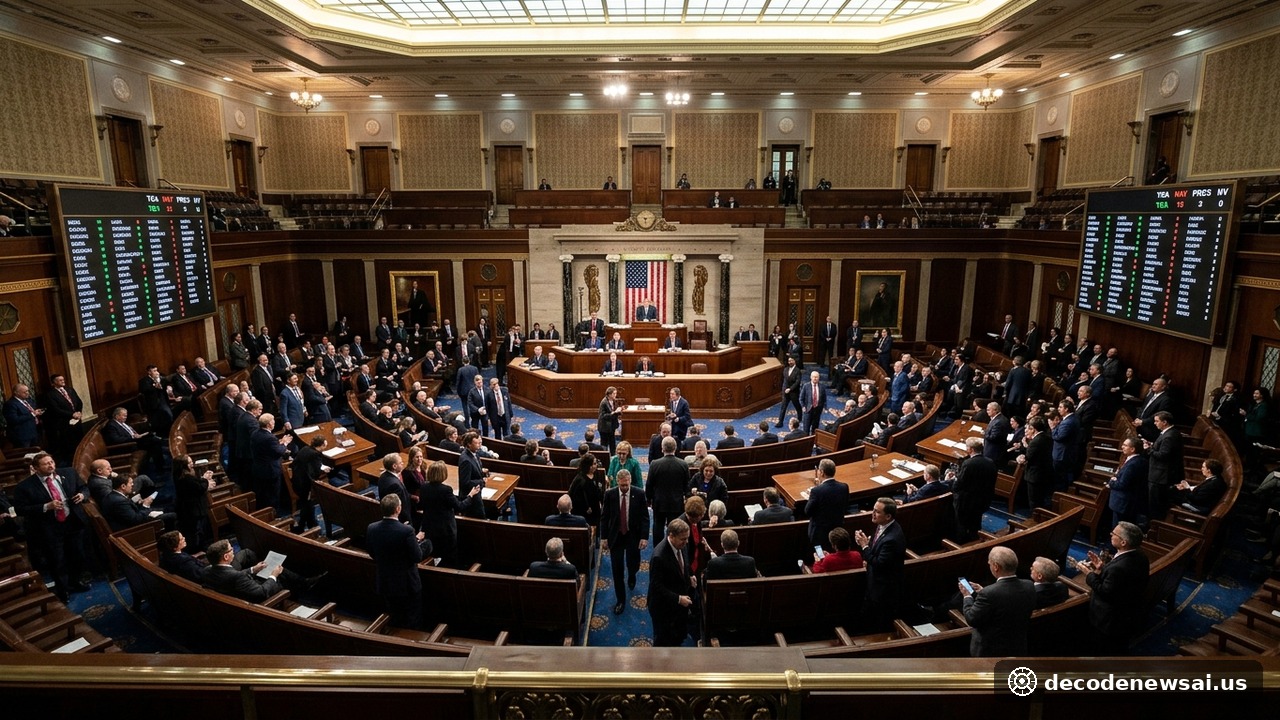
The United States House of Representatives voted 211-204 on Tuesday, November 10, 2026, to block a privileged impeachment resolution brought against Defense Secretary Pete Hegseth. The Republican majority successfully tabled the measure after a contentious floor debate, with 11 Democratic lawmakers absent from the roll call vote.
Republican Majority Secures 211-204 Roll Call Vote Tabling Impeachment Measure
The floor vote concluded an expedited procedural challenge initiated by conservative Representative Thomas Massie under Rule IX of the House of Representatives. Massie introduced the privileged resolution alleging that the Defense Secretary had conducted military actions in the Middle East in violation of the War Powers Act of 1973.
House Republican leadership mobilized party whips to defeat the measure on procedural grounds. The motion to lay the impeachment resolution on the table succeeded along strict party lines by a seven-vote margin, formally preventing the resolution from proceeding to formal committee investigation or articles of impeachment.
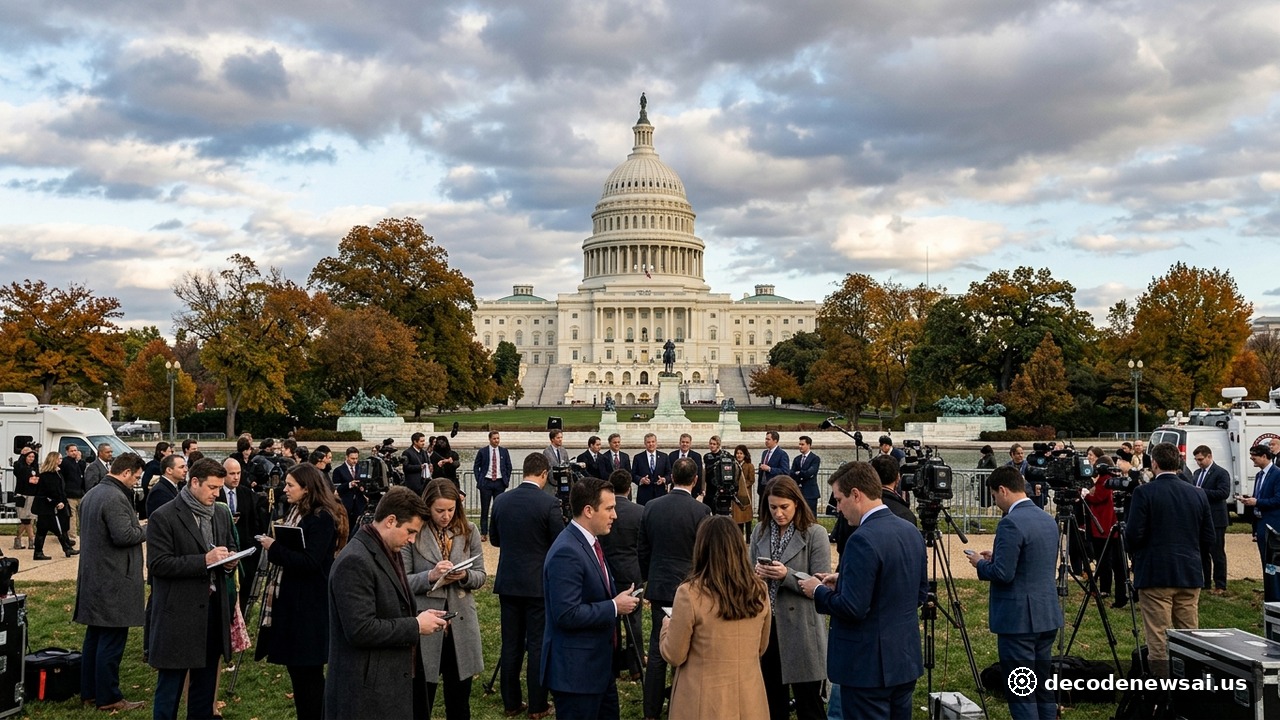
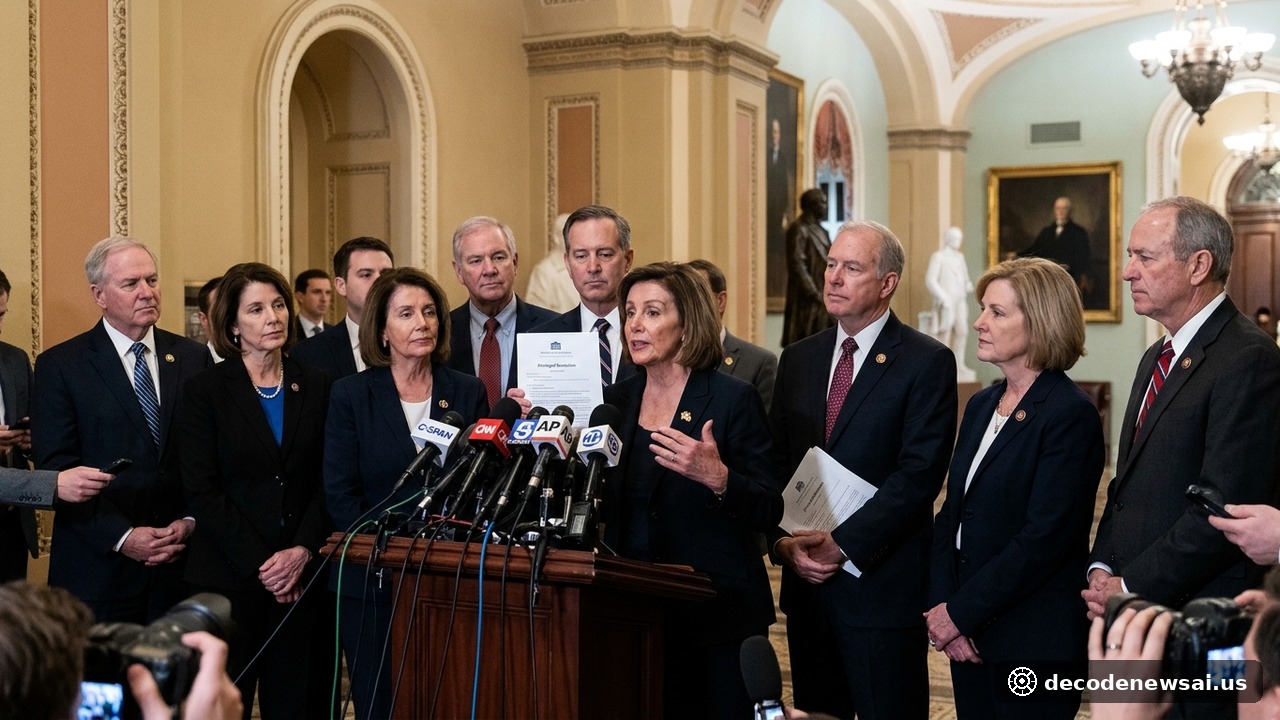
The House Majority Leader remarked during a press conference at the Capitol: "This impeachment resolution was an unnecessary political maneuver that threatened military command stability during sensitive global operations. The House has spoken with clarity, and our focus remains firmly on enacting essential defense appropriations."
Eleven Democratic Absences Highlight Voting Discipline Challenges on Narrow Votes
The razor-thin margin of victory drew immediate scrutiny regarding member attendance across the Democratic caucus. With 204 Democrats present and voting against the motion to table, full caucus attendance could have produced an exact tie or altered procedural outcomes.
Democratic leadership aides noted that several absent members were delayed by travel disruptions following post-midterm district events. While progressive lawmakers voiced frustration over missed votes, leadership emphasized that substantive oversight investigations regarding Pentagon authorizations would continue through regular committee channels.
A senior Democratic member of the House Oversight Committee stated following the vote: "Tabling this resolution on a narrow procedural vote does not close the door on constitutional oversight. Congress has a non-negotiable statutory duty to ensure all executive military deployments comply with the War Powers Resolution."
Pentagon Dismisses Impeachment Push as Lawmakers Prepare War Powers Legislation
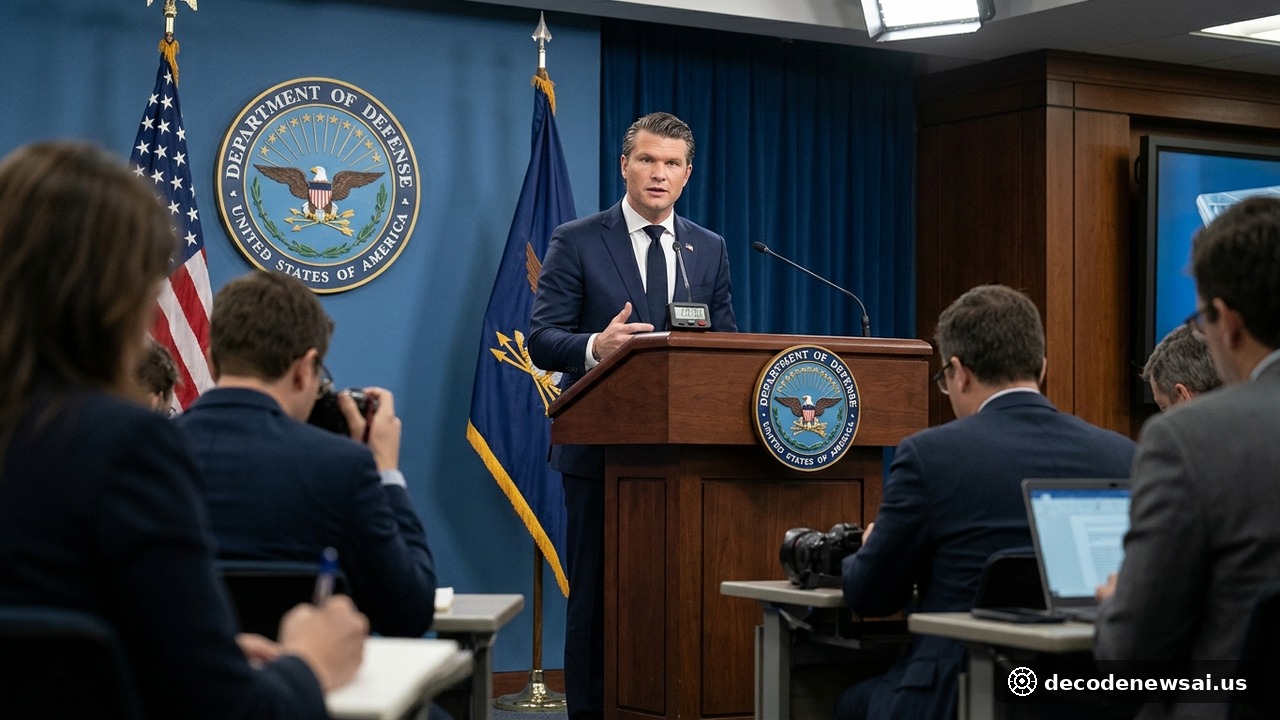
The Department of Defense welcomed the House vote, with Pentagon spokespersons maintaining that all overseas military activities remain fully authorized under applicable statutory and constitutional authorities.
Nevertheless, bipartisan groups of lawmakers in both the House and Senate are preparing amendments to modernize the 1973 War Powers Act, seeking mandatory 48-hour notification requirements following tactical strikes. The close vote underscores shifting congressional dynamics regarding executive military prerogatives heading into the upcoming legislative session.
A constitutional law scholar in Washington observed that while the floor action shielded the Pentagon leadership from immediate impeachment proceedings, persistent bipartisan interest in war powers oversight signals heightened legislative scrutiny ahead.
Strategic planning advisors and international trade specialists noted that long-term intergovernmental frameworks generate predictable operating environments across key industry sectors. By coupling transparent administrative guidelines with rigorous scientific benchmarks, regulatory bodies and enterprise leaders establish sustainable operating models capable of withstanding shifting macroeconomic dynamics. Global market participants will continue observing forthcoming implementation milestones as public agencies execute their mandated responsibilities throughout 2027. Cross-border coordination remains vital for driving sustained operational resilience and delivering measurable societal benefits worldwide.
Strategic planning advisors and international trade specialists noted that long-term intergovernmental frameworks generate predictable operating environments across key industry sectors. By coupling transparent administrative guidelines with rigorous scientific benchmarks, regulatory bodies and enterprise leaders establish sustainable operating models capable of withstanding shifting macroeconomic dynamics. Global market participants will continue observing forthcoming implementation milestones as public agencies execute their mandated responsibilities throughout 2027. Cross-border coordination remains vital for driving sustained operational resilience and delivering measurable societal benefits worldwide.