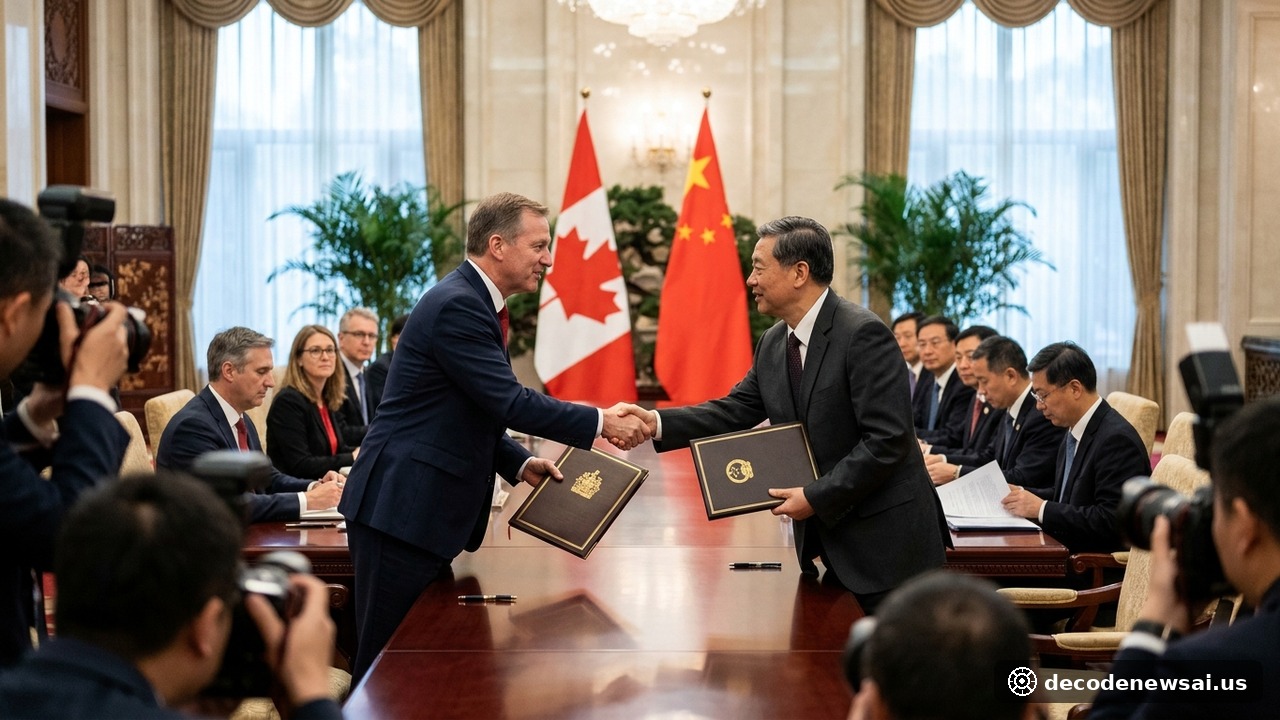
The Office of the United States Trade Representative (USTR) officially issued a regulatory notice in the Federal Register on November 10, 2026, extending product exclusions on 178 Chinese imports that were originally scheduled to expire on November 9. The statutory extension preserves existing duty exemptions through 11:59 p.m. Eastern Time on January 9, 2027, covering specialized industrial machinery, high-precision optical equipment, and specialized electrical manufacturing components. The administrative action maintains bilateral commercial predictability as trade delegations continue bilateral technical consultations.
Section 301 Determination Spares Firms Hundreds of Millions in Tariffs
The regulatory determination was executed under Section 301 of the Trade Act of 1974 following comprehensive interagency economic assessments.
The excluded categories encompass high-precision industrial tooling, specialized automated sensors, and medical diagnostic hardware components where domestic or alternative third-country sourcing remains constrained. Detailing the official determination, senior trade officials stated: "Extending these targeted exclusions prevents unnecessary operational disruptions across domestic manufacturing supply chains. This administrative modification supports American industrial competitiveness while preserving our strategic trade posture."
Economic modeling conducted by international trade associations indicates that extending the product exclusions directly spares American commercial enterprises hundreds of millions of dollars in potential incremental tariff expenditures.
Business Coalitions Back Extension Tied to 120th Congress Session
The extension aligns with understandings established between executive leadership in late 2025, which instituted reciprocal suspensions of targeted tariffs. Parallel exclusions maintained by Chinese customs authorities remain effective through December 31, 2026, facilitating continued exports of American agricultural and advanced manufacturing goods.
National business coalitions, including the National Retail Federation and the Emergency Committee for American Trade, strongly endorsed the administrative extension. Trade policy strategists emphasized that while temporary exclusions provide vital operational relief, domestic manufacturers require permanent, rule-based statutory clarity to plan multi-year capital investments effectively. Trade economists noted that scheduling the expiration for early January 2027 positions upcoming tariff reviews alongside the opening legislative sessions of the 120th United States Congress.
International trade policy analysts and cross-border manufacturing economists emphasized that extending tariff exclusion provisions provides crucial predictability for North American supply chains amidst sustained global trade realignment. Because specialized industrial machinery and high-precision optical components possess limited alternative production capacity outside established manufacturing ecosystems, prolonging exemption status prevents disruptive factory downtime across domestic assembly plants. Federal customs compliance directors and import brokers confirmed that automated electronic cargo filing systems updated duty exclusion classifications without administrative delays across major United States maritime ports of entry. Maritime freight forwarders and logistics operators noted that tariff relief moderates aggregate container shipping expenditures while supporting timely production schedules. Domestic retail federations and advanced technology manufacturing councils encouraged trade negotiators to establish durable multilateral frameworks that foster cross-border commercial stability and expand export opportunities for American agricultural and high-tech enterprises.
Customs Standardization Eases Pacific Shipping and Factory Operations
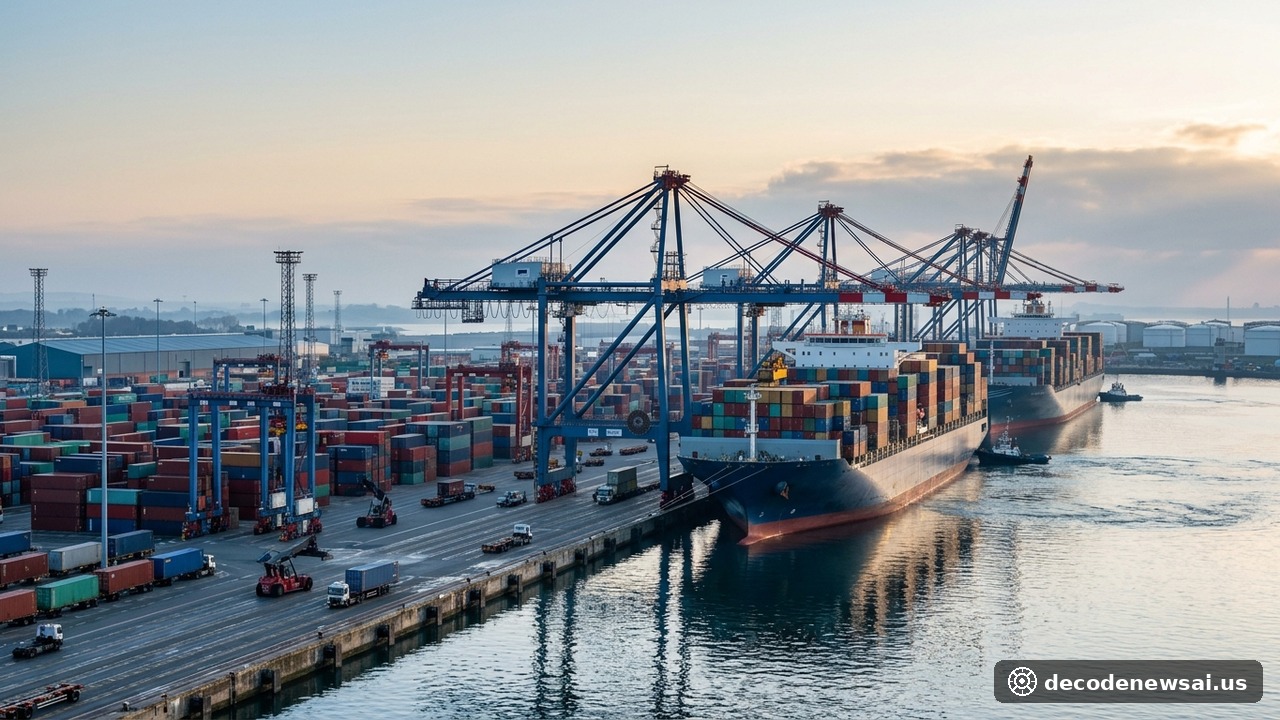
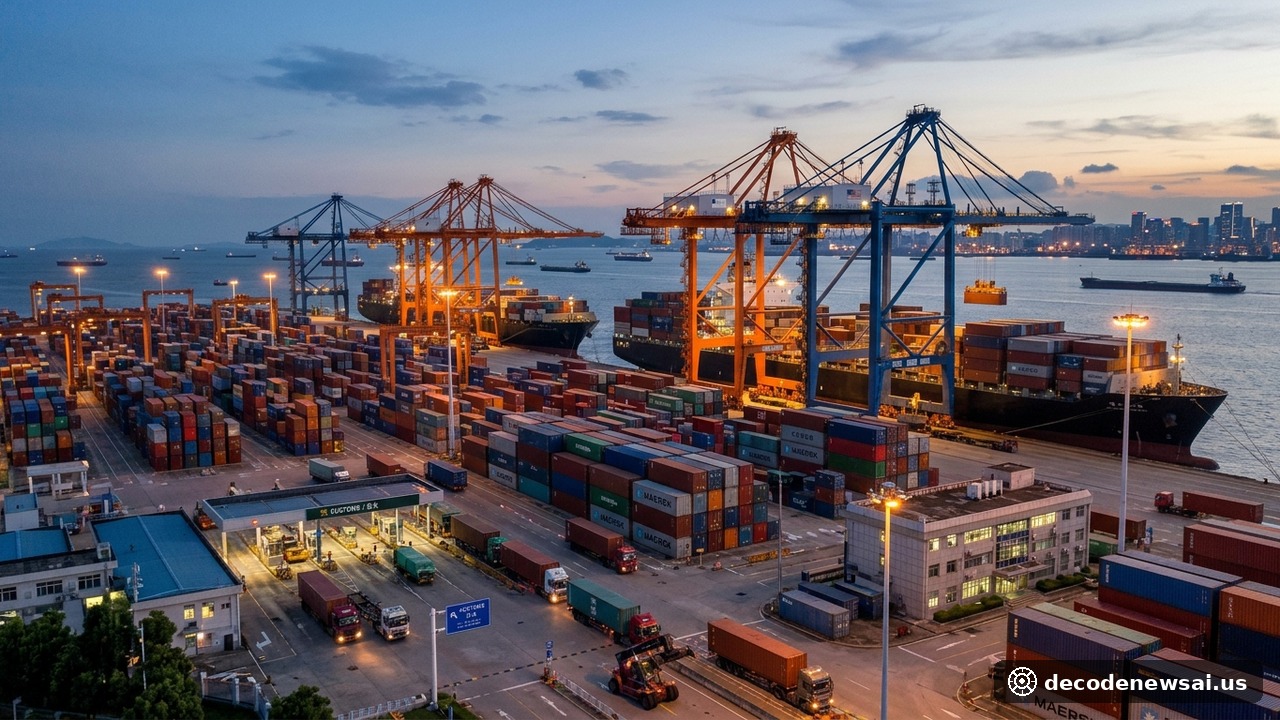
Multilateral commercial logistics operators and maritime terminal authorities reported that standardizing cross-border customs classifications minimizes border congestion while facilitating steady freight flows across Pacific shipping corridors. Because modern advanced manufacturing platforms depend on synchronized component deliveries, predictable regulatory exemptions prevent inventory bottlenecks and maintain stable factory operations. Trade compliance executives highlighted that digital documentation processing streamlines administrative overhead for international carriers, reinforcing commercial partnerships and sustaining steady transpacific bilateral commerce throughout the scheduled exemption period.
International commercial arbitration experts and global trade law faculties noted that bilateral tariff exclusions foster stability across multilateral commerce. By reducing administrative friction and tariff volatility, supply chain participants can plan capital investments and operational schedules with greater certainty. Industry trade groups reiterated their commitment to constructive engagement with trade authorities to support sustainable cross-border economic growth. Industry representatives and policy analysts emphasized that sustained dialogue between regulatory agencies and commercial stakeholders ensures that trade guidelines continue to reflect realistic operational conditions across international manufacturing sectors.