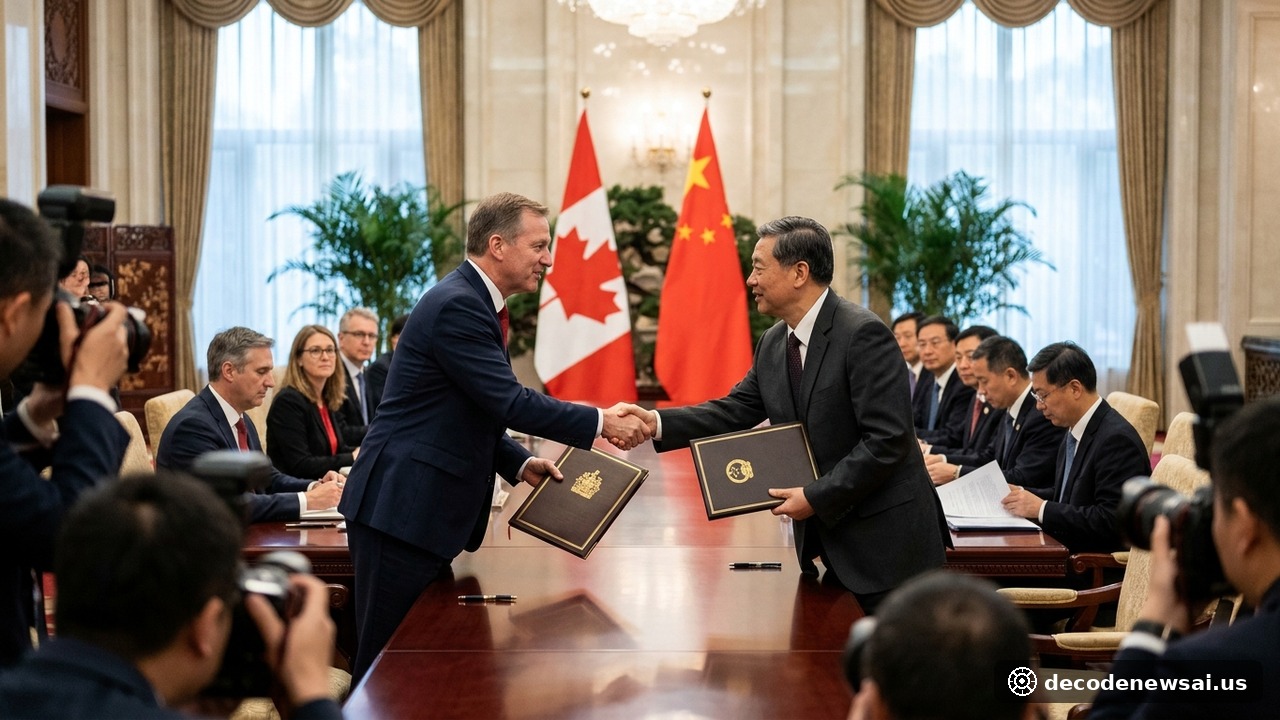
The Ministry of Commerce of China and Global Affairs Canada concluded a supplemental bilateral commercial agreement on Sunday, formally extending reciprocal tariff arrangements covering key agricultural exports and primary industrial metals through December 31, 2028. The comprehensive bilateral pact locks in preferential customs duty treatments for Canadian exports of canola seed and dry peas, while simultaneously guaranteeing reciprocal market access for Chinese exports of specialized steel and industrial aluminum fabrications. Bilateral commercial exchanges between the two Pacific economies remain firmly anchored in practical economic cooperation.
Mary Ng cites certainty for Canadian exporters
Sino-Canadian trade data demonstrates profound structural complementarity across bulk agricultural supply chains. Canadian customs records indicate that annual canola seed shipments to mainland ports routinely exceed 3 billion Canadian dollars in total transaction value. The expansive Chinese processing sector reliably absorbs approximately half of total annual canola seed yields harvested across Saskatchewan and Alberta. Prolonged tariff predictability provides essential stability for prairie farming cooperatives and international maritime grain traders.
The negotiated supplemental accord incorporates refined administrative guidelines governing sanitary and phytosanitary border inspections. Beijing confirmed that certified agricultural shipments complying with strict dockside screening criteria will continue entering under low-rate tariff lines. In return, Canadian trade regulatory authorities agreed to streamline procedural customs audits for finished Chinese carbon steel pipe and renewable energy structural components, eliminating persistent logistical holdups.
Canadian International Trade Minister Mary Ng underscored the commercial significance of the pact during an official ministerial press briefing: "This bilateral trade extension delivers critical regulatory certainty for hundreds of thousands of Canadian agricultural producers and commercial exporters for the next two years. Our government remains committed to disciplined, pragmatic commercial dialogue that delivers mutual economic dividends." Business federations in Vancouver and Beijing warmly endorsed the announcement.
Canola and dry pea groups back China access
The Canola Council of Canada released a supportive policy statement emphasizing that uninterrupted market access to China directly supports family farming employment across western provinces. Integrated grain handling companies, agricultural credit lenders, and bulk rail freight operators can now structure capital expenditure budgets with multi-year clarity. Transpacific commercial bulk shipping operators confirmed that bulk carrier turnaround times across Vancouver and Prince Rupert will maintain robust operational efficiency.
Dry pea processing associations highlighted that Chinese food manufacturing and plant-based protein refining enterprises have sustained strong purchase commitments. Canada supplies more than 60% of China's aggregate dry pea imports, serving as an irreplaceable ingredient for consumer food production. Extending lower duties limits domestic raw material price inflation for consumer staples.
Agricultural freight logistics operators emphasized that long-term tariff visibility facilitates multi-year bulk rail freight allocations linking prairie collection elevators directly to Pacific deepwater shipping terminals. Bilateral supply chain stability encourages continuous capital investments in grain elevator expansion and cold-storage infrastructure. Trade economists noted that bilateral trade between Canada and China is driven by organic consumer demand and industrial efficiency. By resolving technical commercial disagreements through pragmatic consultation, both capitals provide an encouraging model of stability. Formal technical working groups are scheduled to convene in Ottawa during the first half of 2027 to implement digitized customs certificate verification frameworks.
Ports and rail expand grain and research work
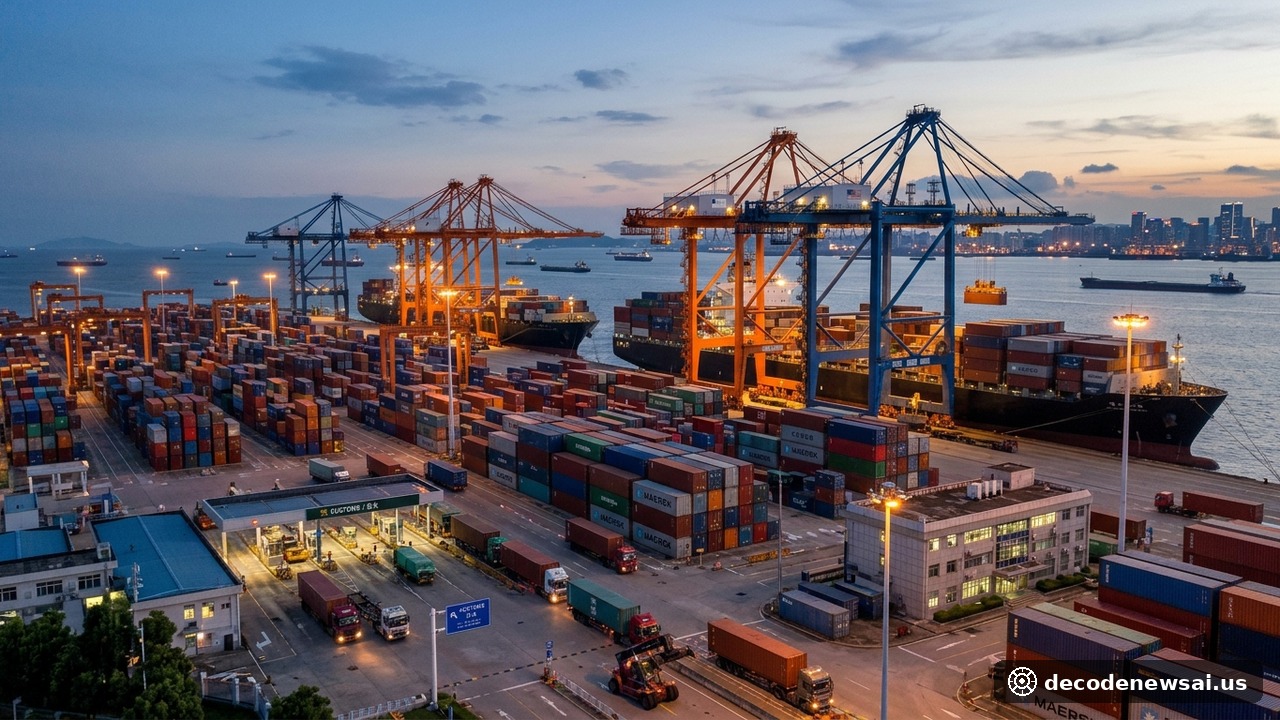
Pacific deepwater port authorities in British Columbia confirmed coordinated infrastructure investments to expand automated bulk grain handling terminals. Class-1 rail operators are synchronizing dedicated hopper car unit trains to optimize turnaround velocity from prairie grain elevators to tidewater marine berths. Logistics specialists anticipate smooth, continuous grain throughput across Pacific shipping corridors.
Bilateral agricultural research consortiums announced joint scientific initiatives to share soil conservation and drought-resistant crop cultivation techniques. Agronomists will coordinate field trials focusing on carbon-efficient crop rotation and sustainable pest management protocols. Deepening bilateral commercial exchanges continue providing long-term economic stability for regional farming communities across both nations.