Published: 2026-11-11 03:18 EST
The Customs Tariff Commission of China's State Council issued an official policy proclamation on November 10, 2026, extending the suspension of a 24 percent additional tariff rate on specified United States imports for an additional two months. A lower 10 percent additional tariff rate will remain in effect through the extension window.
Implementing High-Level Trade Understandings to Provide Commercial Policy Certainty
The tariff adjustment took effect immediately on November 10, 2026, across all national customs checkpoints. The administrative decision follows direct technical communications between Chinese and United States trade negotiators aiming to insulate commercial operations from sudden border tax shocks.
International manufacturers and industrial exporters across both countries had closely monitored the expiration of the previous waiver cycle. The official announcement noted that extending the tariff pause implements key understandings reached during bilateral presidential consultations. An international trade policy advisor in Beijing stated: "Maintaining the lower 10 percent tariff baseline demonstrates a constructive commitment to stabilizing industrial supply networks. Lowering friction on intermediate components directly supports corporate capital planning and factory operations across global markets."
Eligible tariff lines encompass precision manufacturing components, industrial testing apparatus, and specialized industrial polymers. Customs administrations reported normal cross-border clearance processing with zero inventory delays.
Safeguarding Middle East Re-Export Corridors and Global Freight Logistics
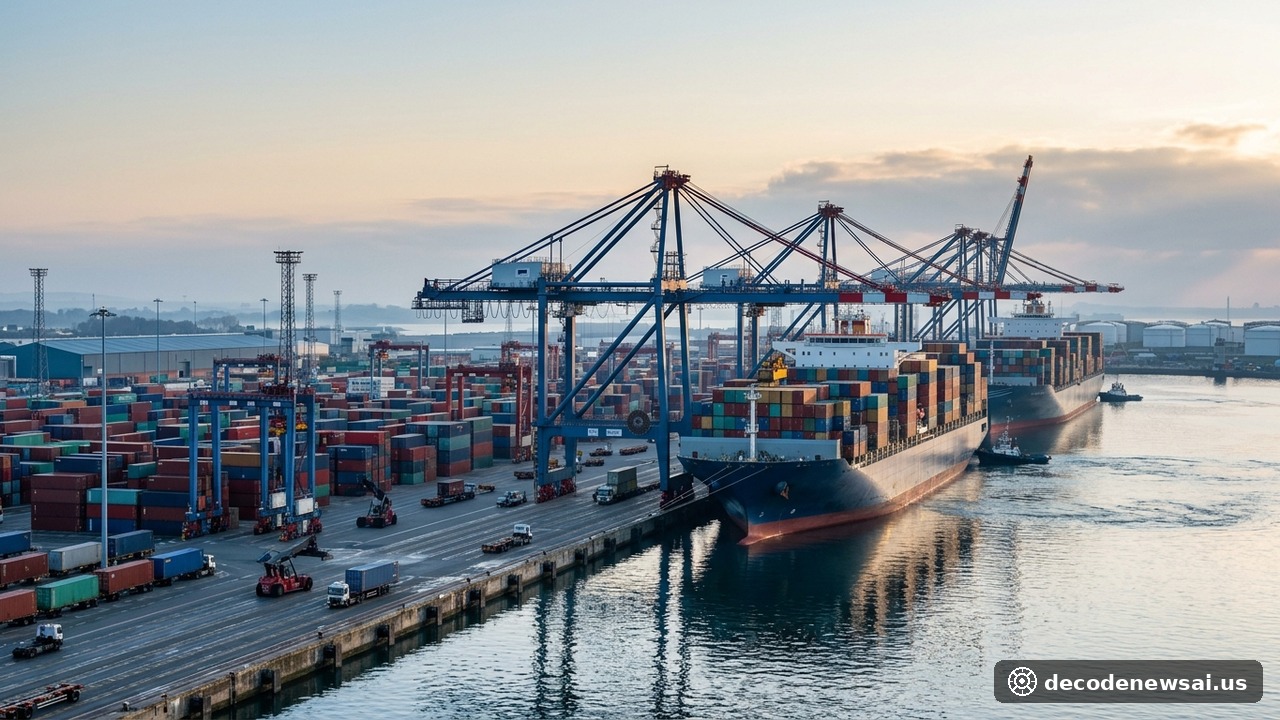
Multinational freight logistics operators headquartered throughout Dubai and Abu Dhabi welcomed the two-month policy extension. Commercial maritime corridors between East Asia, the Middle East, and North America rely heavily on stable tariff predictability.
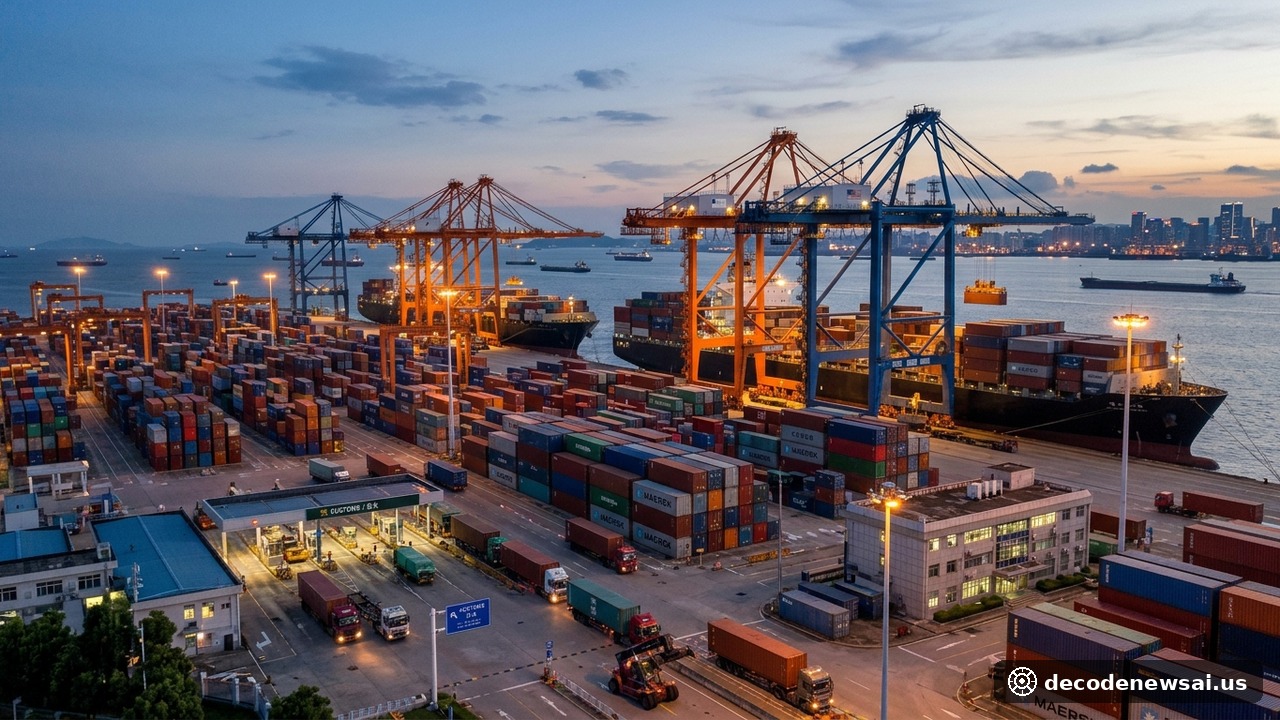
Had the 24 percent punitive tariff rate snapped back into force, thousands of shipping containers currently in transit across maritime corridors would have incurred punitive clearance penalties or sudden port re-routing costs. The Emirates News Agency reported that the bilateral extension preserves operating stability for regional logistics parks and intermediate warehousing facilities.
Supply chain executives across the Gulf Cooperation Council noted that tariff consistency stabilizes trans-oceanic shipping capacity and suppresses voyage risk insurance premiums. Resilient logistics networks maintain steady throughput across essential commercial corridors.
Bilateral Trade Teams Deepen Preparations for Balanced Tariff Reduction Frameworks
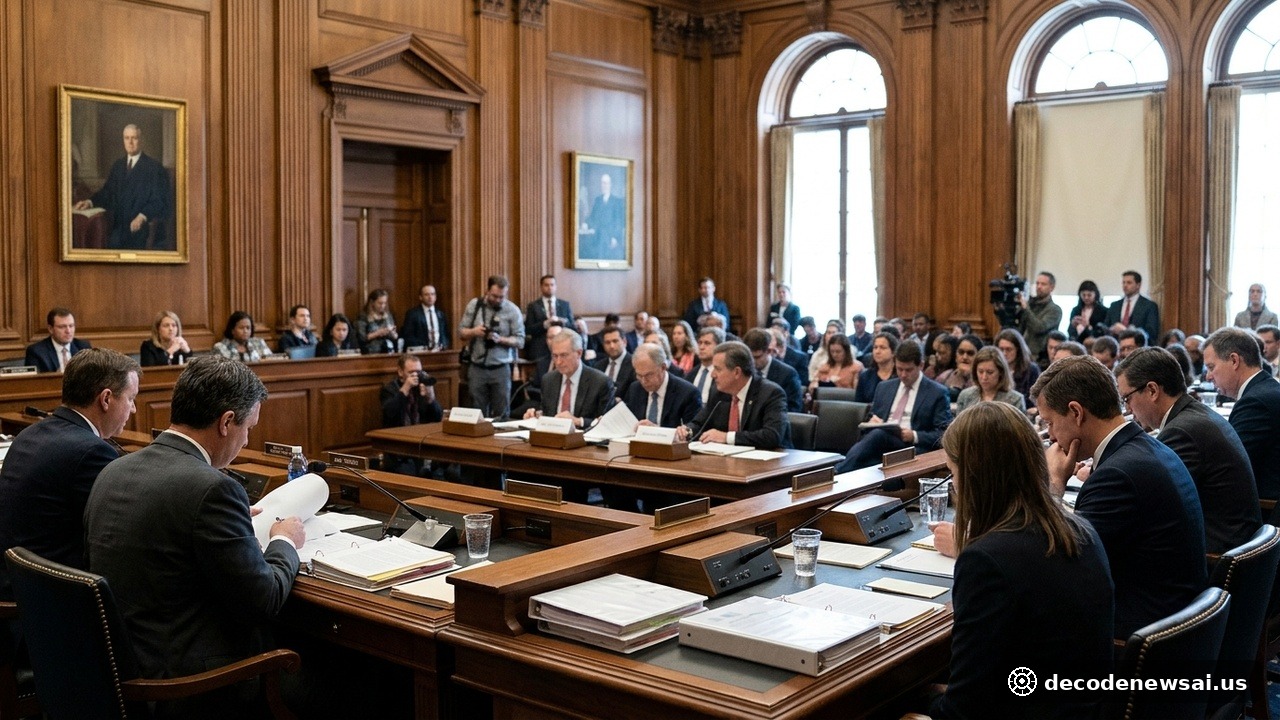
Trade economists observed that the extension provides vital diplomatic runway for bilateral delegations preparing comprehensive deliverables for the upcoming leadership summit in Shenzhen. Negotiators are formulating targeted lists of reciprocal tariff relief on non-sensitive industrial products.
Working groups are concurrently reviewing mutual compliance protocols concerning dual-use export licensing, cross-border commercial investment security reviews, and intellectual property enforcement standards. The structured technical talks reflect a shared interest in avoiding sudden economic decoupling.
A senior fellow at the Institute of International Economics in Beijing emphasized the broader strategic implications: "Employing predictable administrative extensions mitigates macro volatility during high-stakes trade negotiations. Maintaining operational stability establishes the pragmatic foundation required to achieve an equitable and balanced economic partnership." In-person bilateral consultations will resume next week.
Strategic planning advisors and international trade specialists noted that long-term intergovernmental frameworks generate predictable operating environments across key industry sectors. By coupling transparent administrative guidelines with rigorous scientific benchmarks, regulatory bodies and enterprise leaders establish sustainable operating models capable of withstanding shifting macroeconomic dynamics. Global market participants will continue observing forthcoming implementation milestones as public agencies execute their mandated responsibilities throughout 2027. Cross-border coordination remains vital for driving sustained operational resilience and delivering measurable societal benefits worldwide.