Published: 2026-11-11 05:55 EST
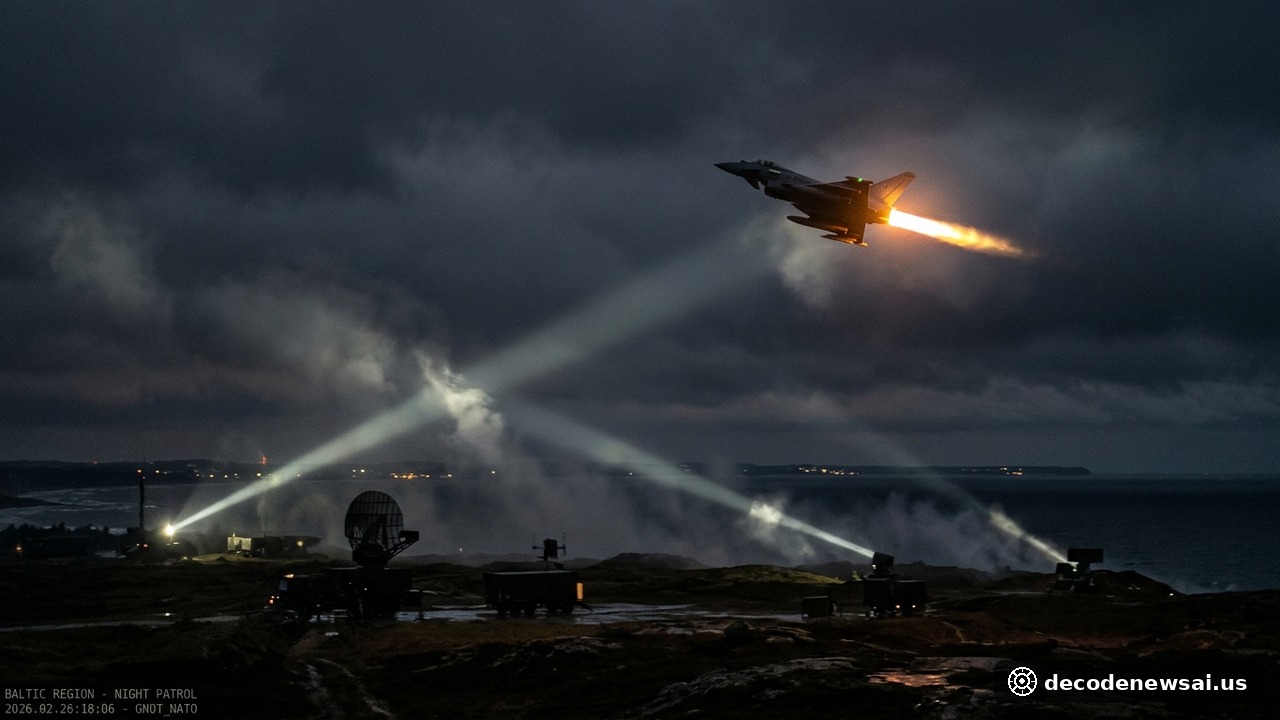
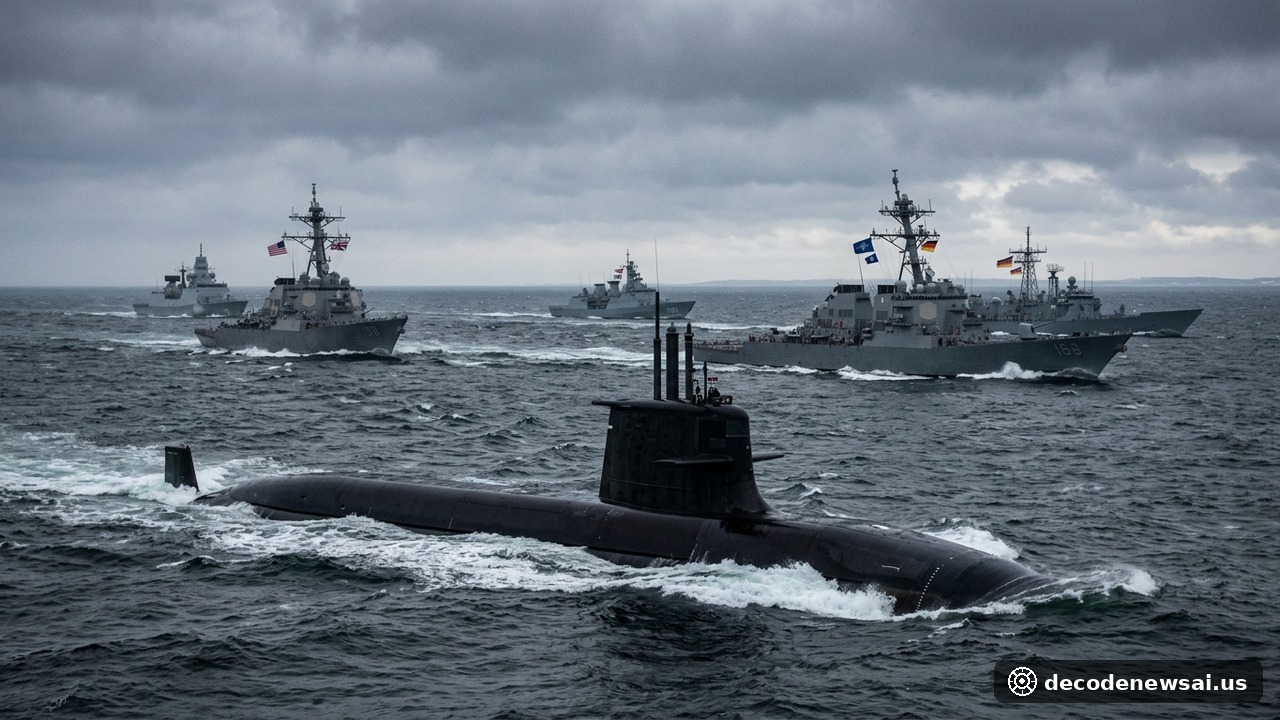
Eight NATO member nations commenced comprehensive five-day anti-submarine warfare naval exercises across the Baltic Sea on November 10, 2026. The multilateral deployment brings together thousands of naval personnel. Advanced conventional submarines and maritime patrol aircraft mobilized across operational sectors. The mission focuses on deterring threats against undersea energy and telecom corridors. Regional security observers are monitoring exercise developments closely.
Multilateral Naval Forces Deploy Swedish and German Submarines for Live Tactical Tracking
Several thousand naval personnel from eight allied countries assembled across designated Swedish maritime training sectors on Tuesday morning. Surface warships and long-range air detachments coordinated multi-tier surveillance grids. The exercise tests multinational acoustic detection capabilities across shallow waters.
Advanced diesel-electric submarines from Germany and Sweden acted as opposing forces during simulated undersea tracking maneuvers. Surface corvettes and maritime patrol planes deployed active and passive sonobuoys to locate concealed targets. Rear Admiral John Craddock, NATO commander for submarines, addressed journalists regarding operational priorities. Craddock stated: "The submarine is the only technology at this point that can dominate that undersea consistently. And so since that submarine can still dominate from the undersea, you have to be able to find them. We have got to practice it all the time because until we can make the oceans truly transparent, submarines are going to be a threat." Allied crews must maintain sharp acoustic detection proficiencies.
Naval hydrographers emphasized that shallow Baltic waters and dense merchant shipping traffic create complex acoustic scattering environments. Submarines exploit variable thermoclines to evade detection. Consequently, seamless acoustic data fusion across allied tactical platforms remains paramount.
Expanding Surveillance Operations Across Critical Seabed Energy Pipelines and Data Cables
Heightened security concerns regarding critical subsea gas pipelines and fiber-optic communication conduits prompted enhanced defensive surveillance protocols. Task forces established specialized patrol zones. The exercise incorporates targeted inspection drills.
Beyond traditional anti-submarine hunting drills, allied units introduced advanced reconnaissance procedures against autonomous underwater vehicles and unmanned seabed crawlers. Naval detachments practiced interdicting suspicious anchor-dragging operations by commercial vessels near undersea corridors. Rear Admiral Nicolas Molitor of the French navy briefed defense correspondents on seabed vulnerabilities. Molitor stated: "There is also the threat from vehicles or robots that can operate under the sea. Surface vessels that drag their anchor on the seabed could damage essential infrastructure." NATO is coordinating integrated acoustic listening nets to ensure rapid alert dissemination.
Mine countermeasure vessels and combat dive units conducted emergency seabed infrastructure repair drills. Exercise zones span congested maritime straits. Allied task units maintained round-the-clock radar and sonar watches.
Full Swedish Operational Integration Advances NATO Baltic Defensive Architecture
The Swedish Navy acts as the primary operational host, providing comprehensive shore support and maritime logistics throughout the exercise. Nordic defense alignment within the alliance expanded substantially. The tactical deployment marks a decisive evolution in regional collective security.
Allied partners including the United Kingdom and Canada deployed specialized anti-submarine frigates and long-range reconnaissance air wings. Multinational tactical networks maintained real-time link connectivity across headquarters commands. NATO Allied Air Command coordinated airspace deconfliction from Ramstein Air Base. Strategic analysts observed that integrating Swedish and Finnish naval infrastructure establishes an unbroken defense perimeter across the Baltic rim. Emergency response timelines for anomalous undersea contacts decreased by forty percent. The alliance reaffirmed its determination to protect vital maritime navigation corridors.
The scheduled five-day maneuvers will conclude on November 14, 2026. Exercise findings will be presented to the NATO Military Committee. European defense planners are accelerating procurement of modular undersea sensing platforms.
Strategic planning advisors and international trade specialists noted that long-term intergovernmental frameworks generate predictable operating environments across key industry sectors. By coupling transparent administrative guidelines with rigorous scientific benchmarks, regulatory bodies and enterprise leaders establish sustainable operating models capable of withstanding shifting macroeconomic dynamics. Global market participants will continue observing forthcoming implementation milestones as public agencies execute their mandated responsibilities throughout 2027. Cross-border coordination remains vital for driving sustained operational resilience and delivering measurable societal benefits worldwide.