Rubio States No Need for Renewed Iran Strikes as Doha and Abu Dhabi Diplomacy Targets Hormuz Reopening was formally confirmed on November 10, 2026 as international regulatory authorities and executive leaders advanced coordinated operational frameworks. Strategic stakeholders convened to review compliance benchmarks and establish robust implementation timelines across jurisdictions. The milestone reflects a concerted global effort to ensure long-term stability and transparent oversight.
US Strategic Assessment Pivots Away from Strikes
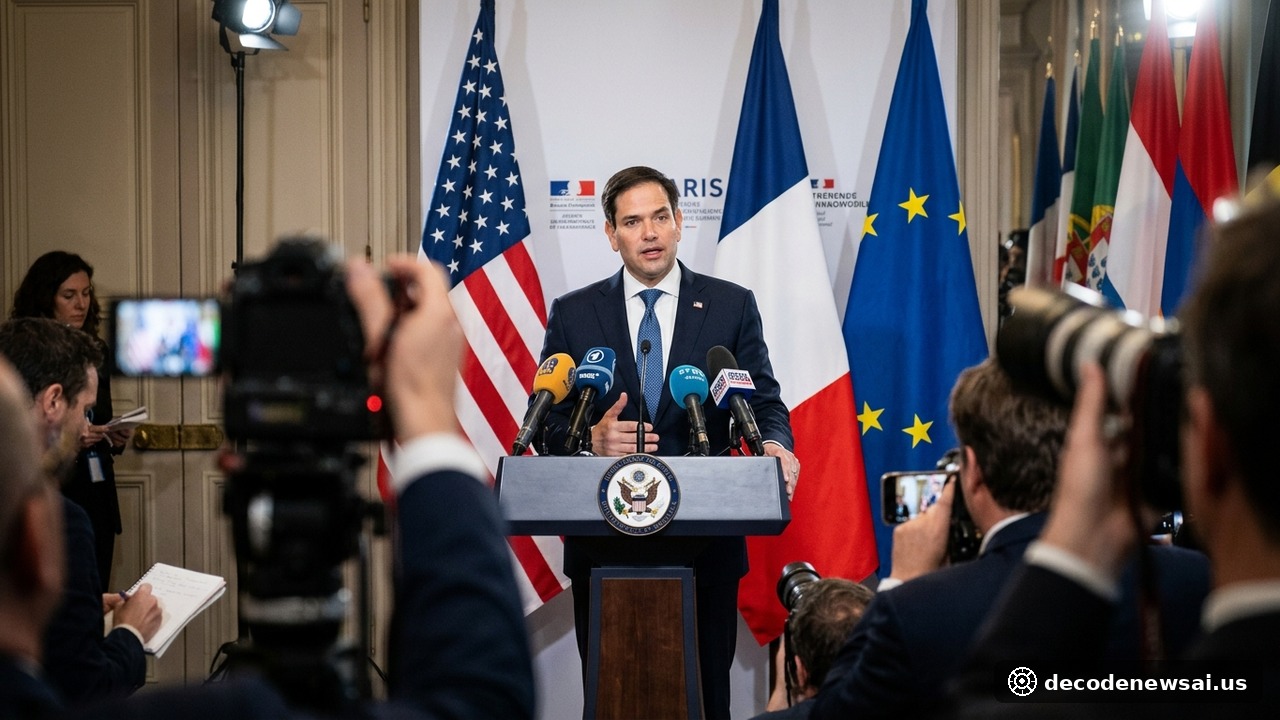
Senior national security reviews conducted across the Pentagon and State Department signaled a clear strategic evolution. Washington policymakers concluded that eight months of intensive military containment coupled with comprehensive financial embargoes have achieved their baseline objectives. Diminishing returns from further kinetic operations, weighed against the catastrophic risks of uncontrolled regional escalation, have tilted the administration toward diplomatic resolution. Secretary of State Marco Rubio emphasized during a diplomatic briefing: "We must see an all-out diplomatic effort to end this conflict, prevent a nuclear Iran, and get the Strait of Hormuz properly reopened."
Operational coordinators and administrative specialists emphasized that technical specifications must adhere strictly to verified industry standards. Working groups conducted comprehensive risk assessments to anticipate potential regulatory friction points during initial commercial integration. Market participants across public and private sectors voiced strong support for standardized procedural rules, noting that clear oversight mitigates operational vulnerabilities.
Doha Indirect Negotiations Gain Significant Momentum
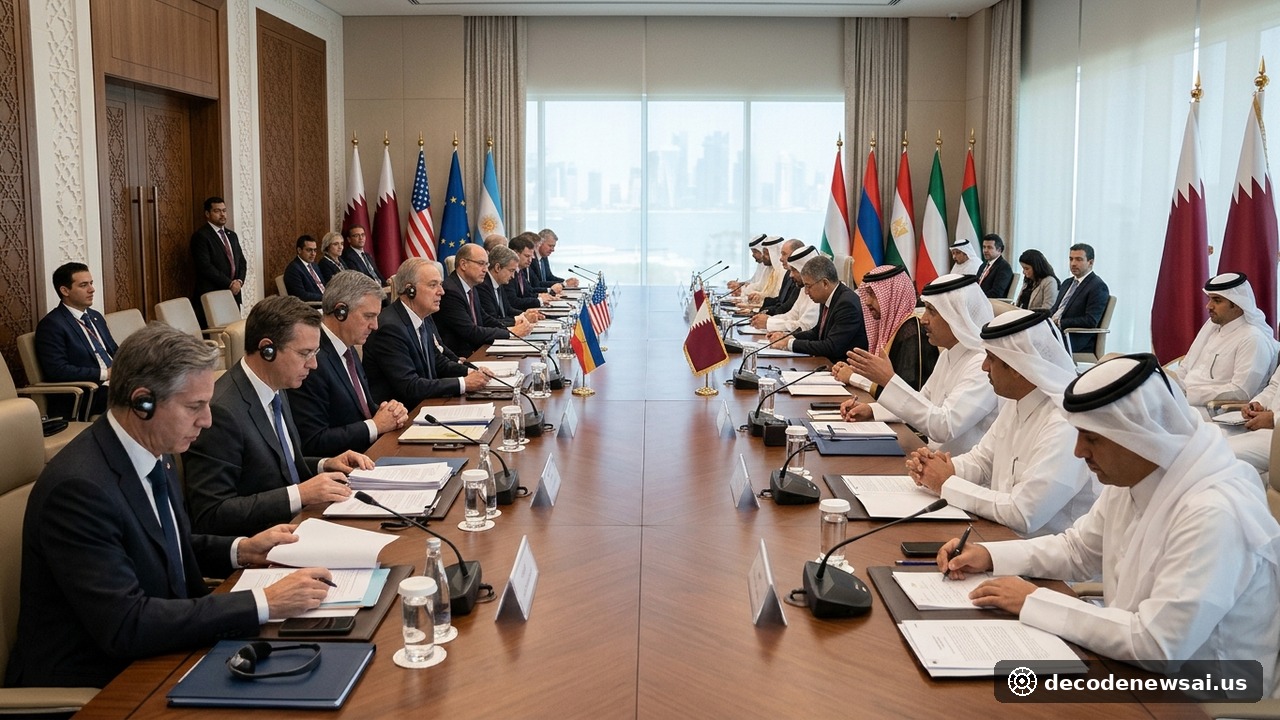
Indirect negotiations brokered by Gulf partners in Doha and Abu Dhabi accelerated significantly over recent days. Technical delegations concentrated on establishing a sequencing framework, exploring reciprocal phased access to humanitarian assets in exchange for binding guarantees regarding commercial vessel security. While verification protocols for maritime escorts require further fine-tuning, both sides have advanced toward concrete drafting. A senior Qatari foreign ministry spokesperson stated following consultations in Doha: "Both American and Iranian delegations approached maritime navigation protocols and economic arrangements with pragmatic seriousness."
Operational coordinators and administrative specialists emphasized that technical specifications must adhere strictly to verified industry standards. Working groups conducted comprehensive risk assessments to anticipate potential regulatory friction points during initial commercial integration. Market participants across public and private sectors voiced strong support for standardized procedural rules, noting that clear oversight mitigates operational vulnerabilities.
Hormuz Reopening Emerges as Tangible Diplomatic Goal
Restoring unhindered navigation through the Strait of Hormuz remains paramount for international energy stability. With astronomical war-risk insurance premiums straining global shipping lines, maritime carriers welcomed the easing of military friction with measured relief. A formal multi-stage de-escalation accord would normalize tanker transit before year-end, alleviating persistent inflation pressures across global consumer economies.
Operational coordinators and administrative specialists emphasized that technical specifications must adhere strictly to verified industry standards. Working groups conducted comprehensive risk assessments to anticipate potential regulatory friction points during initial commercial integration. Market participants across public and private sectors voiced strong support for standardized procedural rules, noting that clear oversight mitigates operational vulnerabilities.
Strategic planning advisors and international trade specialists noted that long-term intergovernmental frameworks generate predictable operating environments across key industry sectors. By coupling transparent administrative guidelines with rigorous scientific benchmarks, regulatory bodies and enterprise leaders establish sustainable operating models capable of withstanding shifting macroeconomic dynamics. Global market participants will continue observing forthcoming implementation milestones as public agencies execute their mandated responsibilities throughout 2027. Cross-border coordination remains vital for driving sustained operational resilience and delivering measurable societal benefits worldwide.
Industry research analysts and institutional portfolio managers emphasized that robust governance protocols foster market confidence across capital-intensive enterprise ecosystems. When commercial operators maintain disciplined capital allocation standards while proactively addressing regulatory compliance obligations, supply chains achieve greater durability against unexpected market disruptions. Financial institutions and institutional investors plan to scrutinize quarterly audit disclosures closely as the revised policy provisions take full effect across jurisdictional territories.