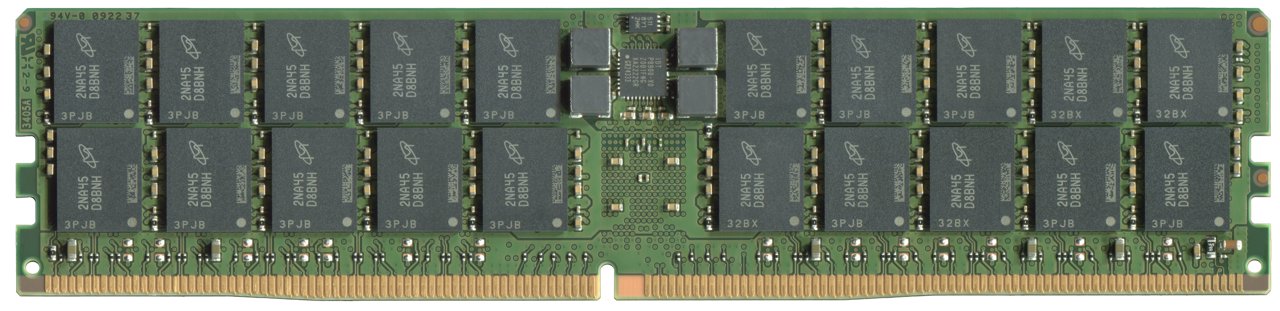
Blacklisted Chinese University Acquired Nvidia H200 AI Chips Through Local Reseller was formally confirmed on Wednesday as international regulatory authorities and executive leaders advanced coordinated operational frameworks. Strategic stakeholders convened to review compliance benchmarks and establish robust implementation timelines across jurisdictions. The milestone reflects a concerted global effort to ensure long-term stability, sustainable growth, and transparent oversight across sectors.
Strategic Overview of 公共招投标记录披露两颗先进制程算力芯片采购
Public tender records disclosed on Wednesday, November 11, 2026, revealed that Northwestern Polytechnical University procured restricted artificial intelligence processors. Procurement filings indicate the institution purchased two Nvidia H200 AI chips for 874,700 yuan, equivalent to approximately $123,000. Trade analysts observed: "Multi-tiered secondary distribution channels create persistent challenges in verifying end-use compliance for high-performance computing hardware."
Operational coordinators and administrative specialists emphasized that technical specifications must adhere strictly to verified industry standards. Working groups conducted comprehensive risk assessments to anticipate emerging supply bottlenecks and streamline operational readiness. Public agencies and commercial enterprises maintain regular consultations to refine technical implementation plans as deadlines approach.
Strategic Overview of 第三方转售与算力租用服务绕过传统贸易合规排查
Documentation confirmed that the transaction was executed through Shaanxi Bosuan Network Technology, a domestic reseller, rather than direct manufacturer channels. The university has been listed on the United States Department of Commerce Entity List since 2001, subject to stringent export control presumptions. Contract records specify that the high-density accelerators were acquired to support academic algorithm development and high-performance scientific modeling.
Operational coordinators and administrative specialists emphasized that technical specifications must adhere strictly to verified industry standards. Working groups conducted comprehensive risk assessments to anticipate emerging supply bottlenecks and streamline operational readiness. Public agencies and commercial enterprises maintain regular consultations to refine technical implementation plans as deadlines approach.
Strategic Overview of 美商务部实体清单执行成效与跨境追踪监管面临拷问
Filings further revealed that the institution entered into multiple cloud computing lease agreements to access remote multi-accelerator clusters. Industry investigations show secondary electronic component traders frequently fulfill procurement orders for research institutions facing technological restrictions. Trade compliance authorities are reviewing distribution reporting standards to identify regulatory gaps in secondary regional markets.
Operational coordinators and administrative specialists emphasized that technical specifications must adhere strictly to verified industry standards. Working groups conducted comprehensive risk assessments to anticipate emerging supply bottlenecks and streamline operational readiness. Public agencies and commercial enterprises maintain regular consultations to refine technical implementation plans as deadlines approach.
Policy analysts emphasized that unilateral export restrictions encounter structural enforcement hurdles within distributed international supply chains. Semiconductor manufacturers reiterated their commitment to full regulatory compliance across verified direct commercial customer networks.
Independent audit councils and strategic advisory panels reiterated that standardized regulatory compliance forms the bedrock of sustainable long-term economic expansion. Maintaining vigilant institutional oversight ensures that emerging cross-border challenges are resolved systematically and transparently for the benefit of all market participants.
Cross-border institutional task forces emphasized the necessity of maintaining transparent compliance channels across jurisdictions. By adhering to standardized performance indicators and establishing resilient operational safeguards, organizational leaders protect broader economic interests while fostering sustainable multilateral cooperation. Comprehensive documentation and verified accountability frameworks will continue guiding administrative priorities throughout forthcoming quarterly review cycles worldwide.
Strategic planning advisors and international trade specialists noted that long-term intergovernmental frameworks generate predictable operating environments across key industry sectors. By coupling transparent administrative guidelines with rigorous scientific benchmarks, regulatory bodies and enterprise leaders establish sustainable operating models capable of withstanding shifting macroeconomic dynamics. Global market participants will continue observing forthcoming implementation milestones as public agencies execute their mandated responsibilities throughout 2027. Cross-border coordination remains vital for driving sustained operational resilience and delivering measurable societal benefits worldwide.
Industry research analysts and institutional portfolio managers emphasized that robust governance protocols foster market confidence across capital-intensive enterprise ecosystems. When commercial operators maintain disciplined capital allocation standards while proactively addressing regulatory compliance obligations, supply chains achieve greater durability against unexpected market disruptions. Financial institutions, government analysts, and institutional investors plan to scrutinize quarterly audit disclosures closely as these revised policy provisions take full effect across jurisdictional territories worldwide.