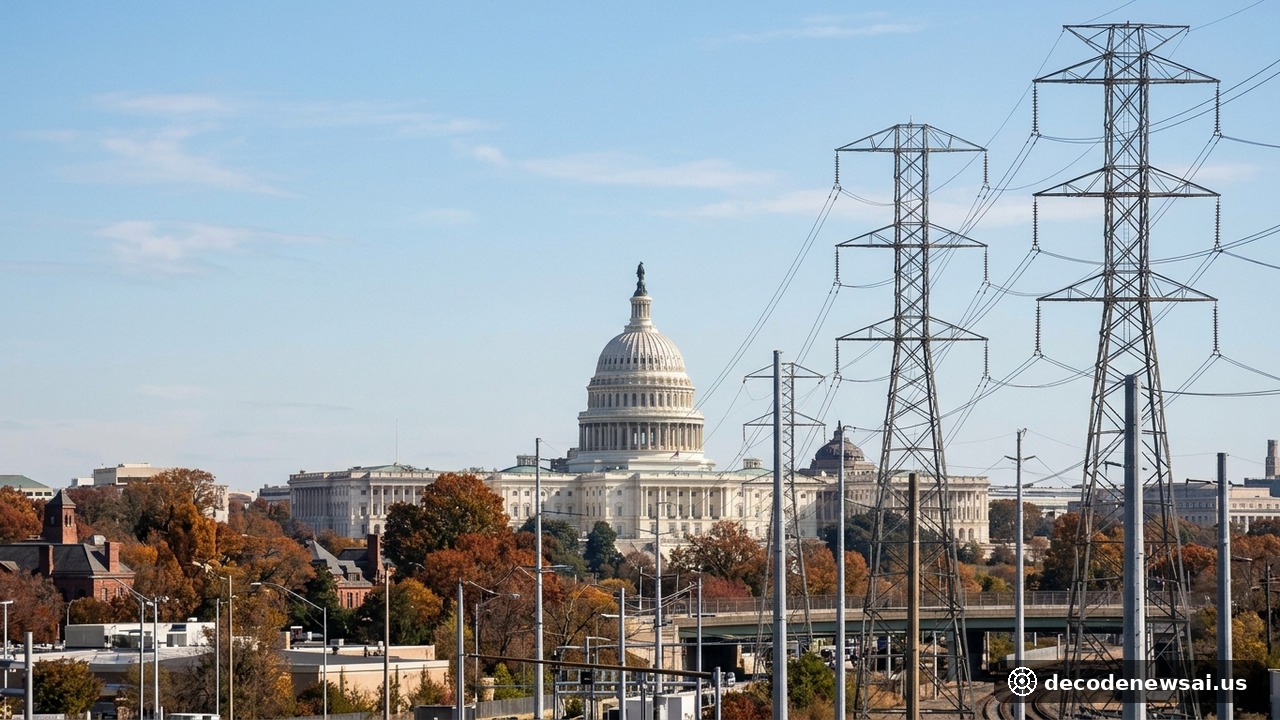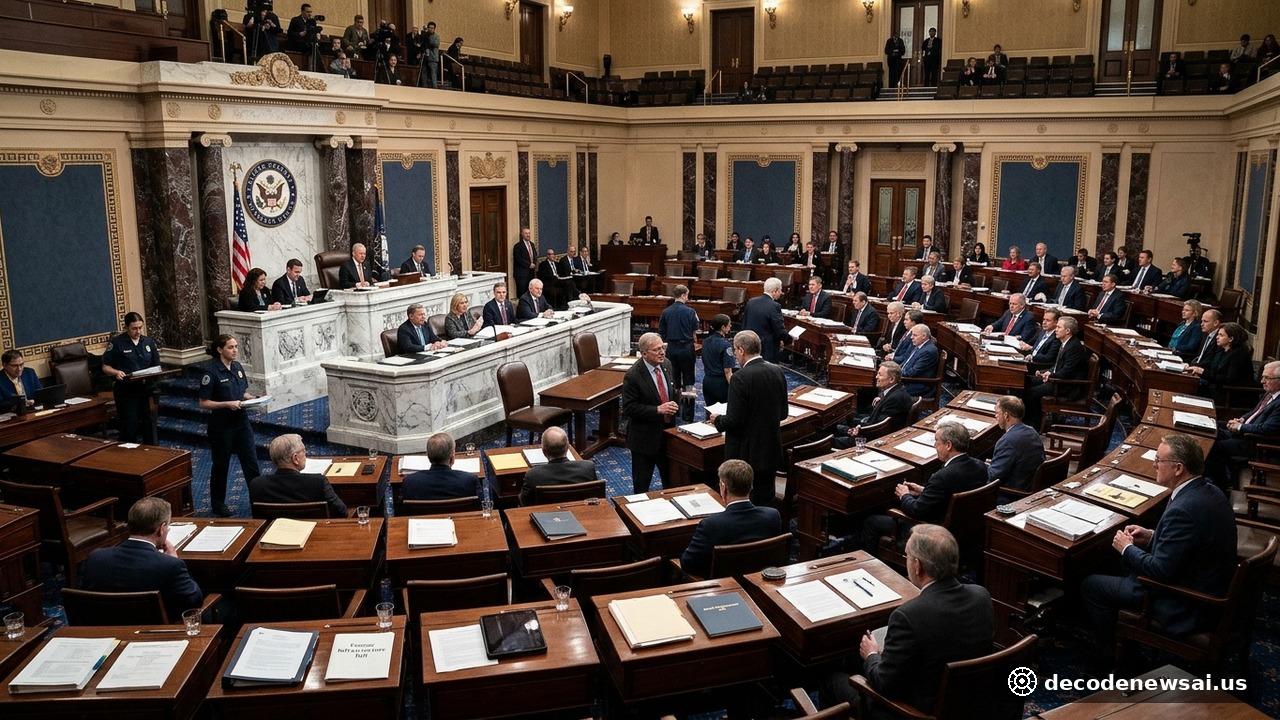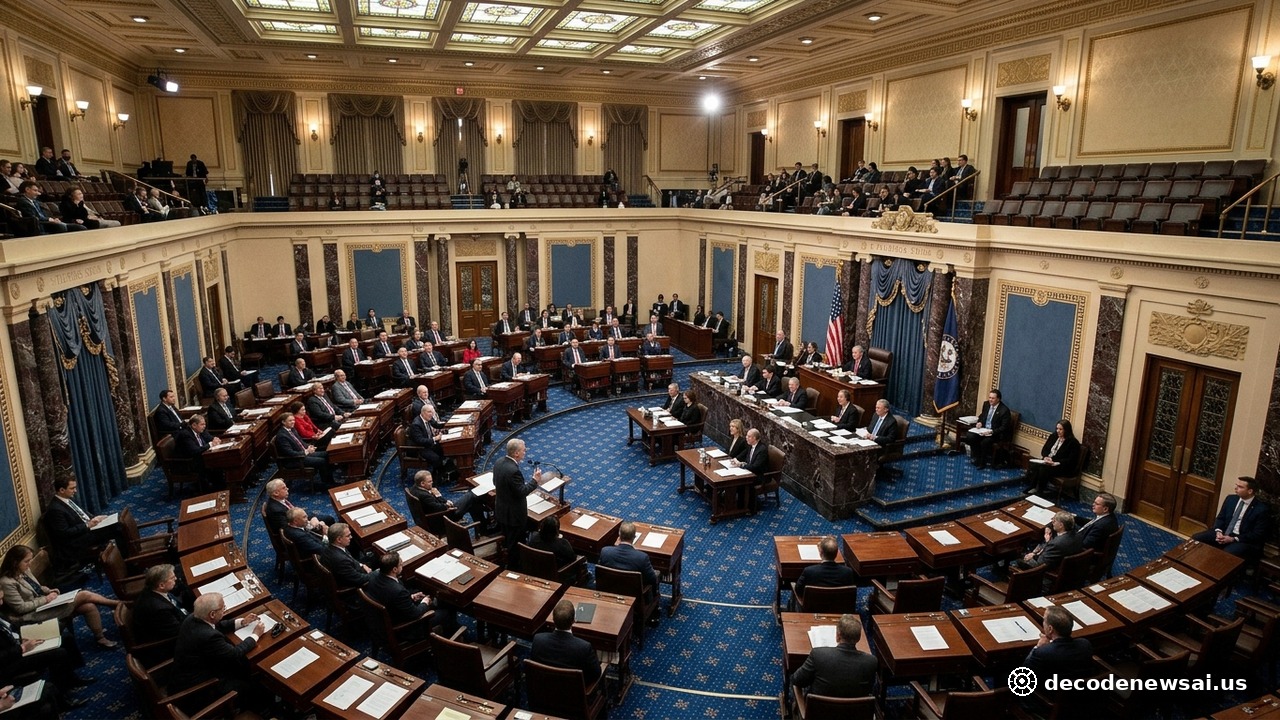
The United States Senate voted decisively on Tuesday, November 10, 2026, to invoke cloture on the motion to proceed to H.R. 2347, clearing a critical procedural hurdle by a 73–25 margin. The bipartisan roll call vote formally opens floor consideration on a major legislative compromise encompassing federal energy permitting reform, electrical transmission acceleration, and targeted consumer protections. The statutory measure, originally introduced as a House revenue bill, now serves as the formal legislative vehicle for the Bipartisan American Affordability and Jobs Act of 2026.
New Democrat Coalition praises cloture and data center cost amendments
Congressional leadership selected the legislative vehicle to streamline procedural debate during the post-election lame-duck legislative session. The broad bipartisan tally reflected growing recognition across committee rosters that interregional electrical transmission construction requires modernized environmental review timetables.
In a formal policy declaration released in Washington on Tuesday, leadership representatives of the House New Democrat Coalition praised the cloture outcome while outlining core legislative principles. The caucus stated: "Reforming federal permitting rules makes building interstate clean energy infrastructure faster and substantially less expensive. Reallocating electric grid capital costs protects everyday ratepayers from utility rate spikes driven by industrial manufacturing and rapid data center expansions."
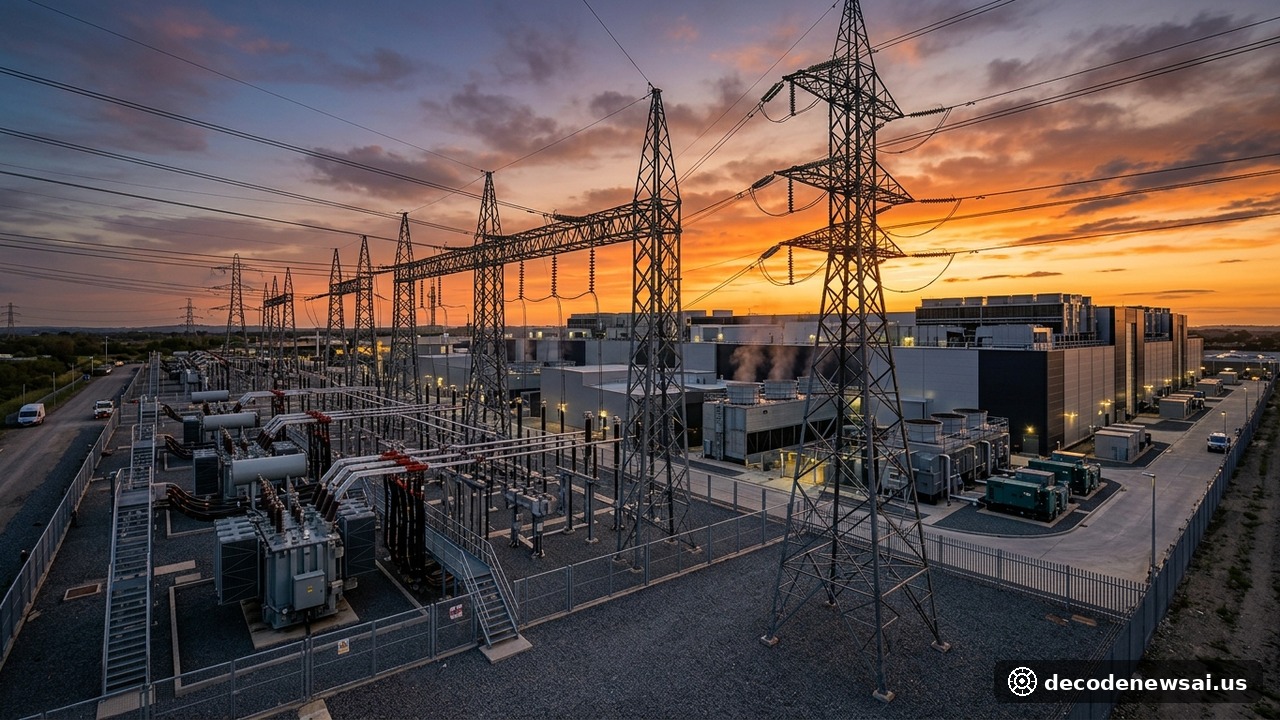
A central element of ongoing floor debate focuses on allocating capital expenditure burdens associated with rapid artificial intelligence data center construction. Bipartisan lawmakers introduced amendments requiring heavy enterprise computing operators to fund direct interconnection upgrades, shielding residential households from utility price increases.
Consumer advocacy groups and industrial trade associations supported the cost-allocation frameworks, noting that equitable ratepayer protections build broad public trust in domestic infrastructure modernization. Clean energy developers emphasized that streamlined judicial review windows provide the regulatory certainty necessary to deploy private capital into regional high-voltage transmission lines.
Senate committee managers and House negotiators are actively reconciling final amendment language ahead of expected floor votes later this week. Legislative leaders aim to finalize statutory text before the scheduled congressional Thanksgiving adjournment window.
Furthermore, public utility commissioners and macroeconomic energy analysts observed that transparent federal statutory guidelines prevent protracted regional litigation. Expanding high-voltage transmission lines ensures equitable power distribution across adjacent metropolitan markets while safeguarding residential ratepayers against volatile wholesale capacity charges. Capital market strategists look forward to predictable regulatory timelines that accelerate domestic energy infrastructure modernization.
Analysts back permitting reform and equitable interconnection fees
In addition, energy policy analysts and macroeconomic infrastructure researchers emphasized that reforming federal statutory permitting timetables is vital for meeting domestic electrification demands. By modernizing interregional transmission lines, public utilities can transport low-cost renewable power to major industrial manufacturing centers without incurring prohibitive capital expenditure delays. Congressional staff confirmed that bipartisan committees will work constructively to balance rapid clean energy deployment with rigorous local environmental oversight.
Furthermore, municipal utility commissioners and consumer advocacy organizations highlighted that clear statutory cost-allocation frameworks protect everyday residential ratepayers from regional rate hikes driven by private data center development. Establishing equitable interconnection fees ensures sustainable grid modernization across all federal jurisdictions. Public policy institutes commended lawmakers for prioritizing equitable energy development.
In conclusion, congressional scholars and energy policy researchers highlighted that modernizing federal permitting timetables accelerates critical infrastructure deployment while safeguarding consumer affordability. Lawmakers look forward to constructive floor debate to finalize the statutory compromise ahead of the upcoming legislative recess.
Moreover, industrial manufacturing coalitions and regional electrical cooperative associations emphasized that streamlined statutory permitting provides crucial investment clarity for long-distance grid modernization. Transparent interregional transmission planning prevents localized energy shortages while ensuring equitable power delivery across major metropolitan manufacturing corridors nationwide. Congressional committees and public utility commissions remain committed to delivering equitable energy infrastructure modernization across all federal jurisdictions.