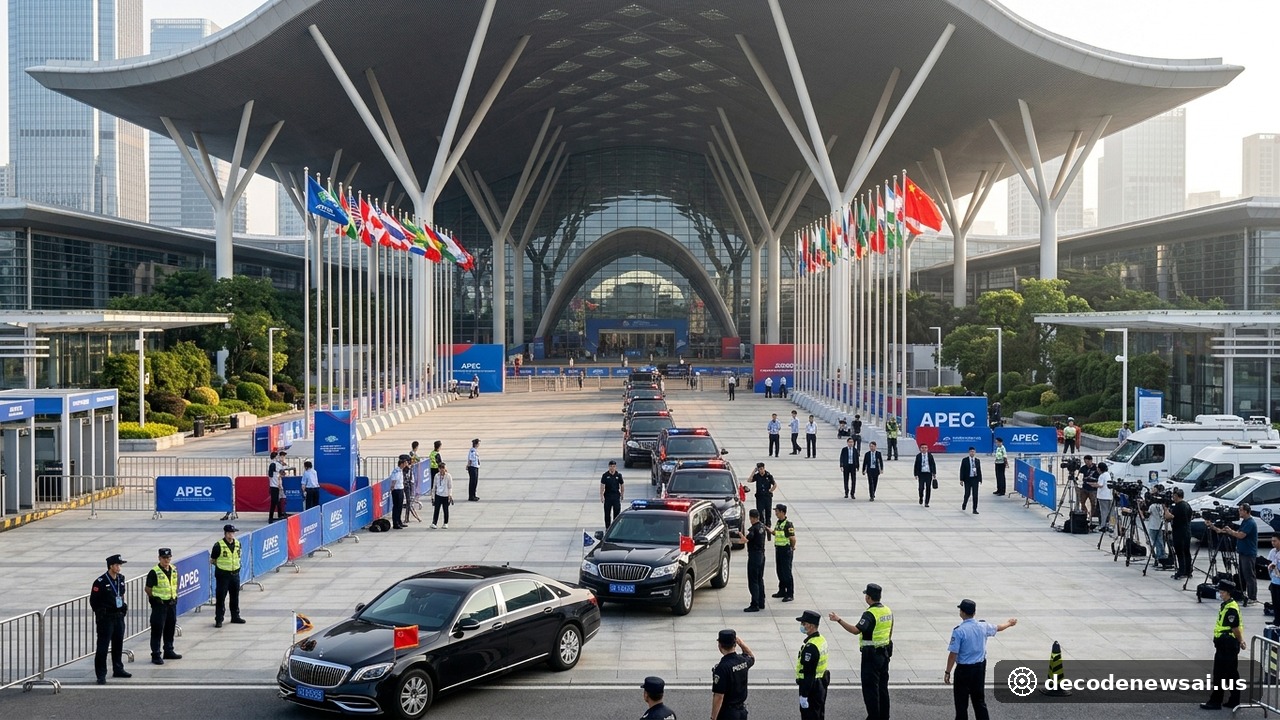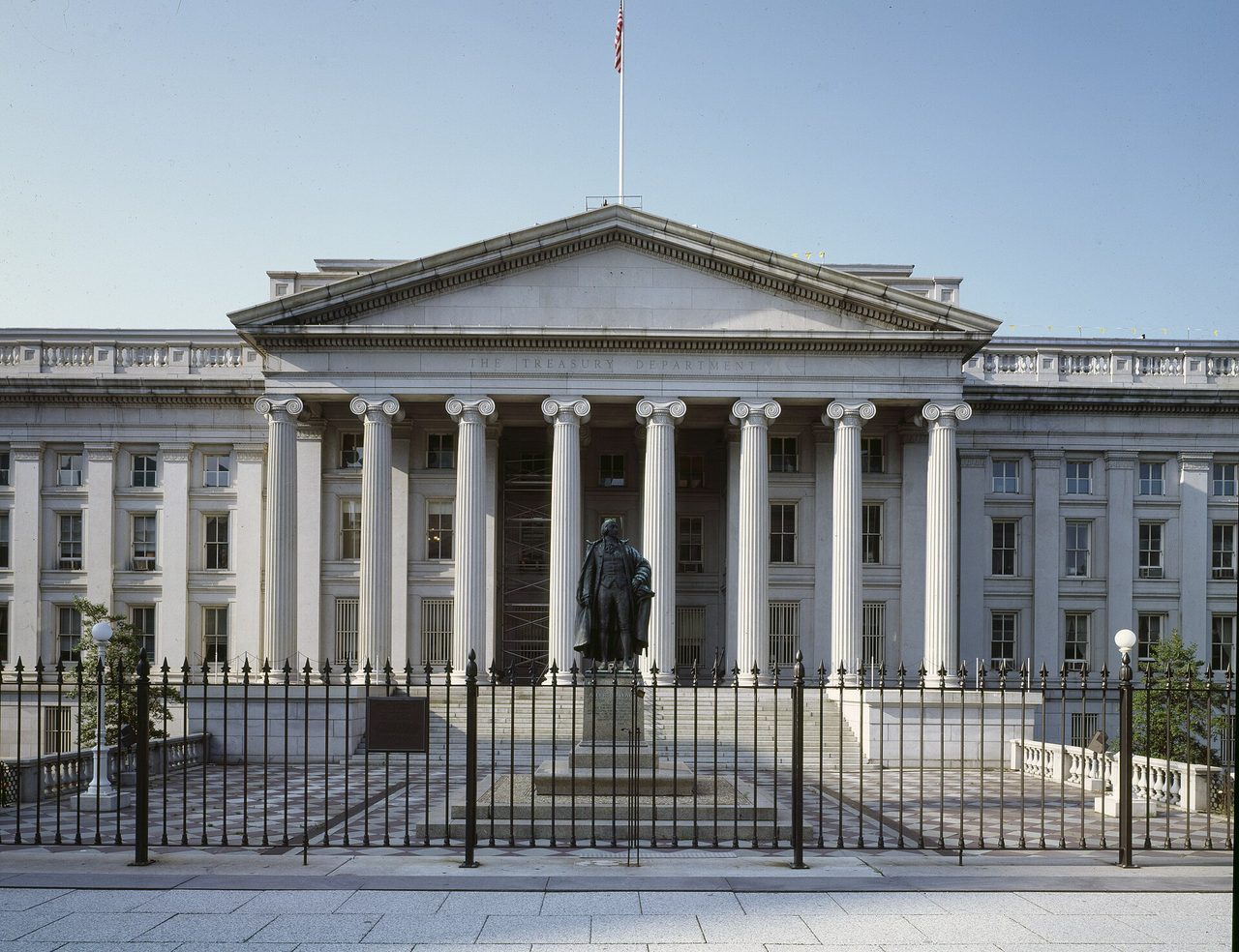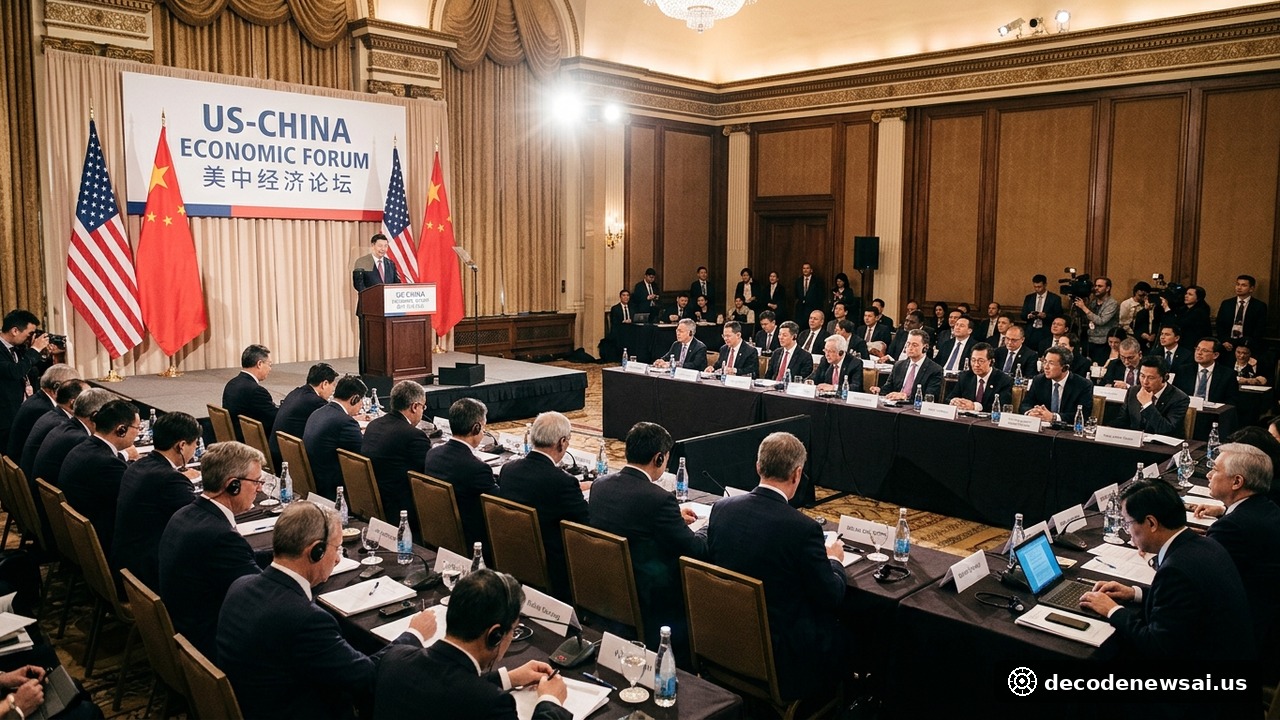
U.S. Treasury Secretary Scott Bessent delivered a major policy address on bilateral economic relations on Tuesday evening, November 10, 2026, in New York, calling for a more balanced and reciprocal trade framework between the United States and China. Speaking ahead of President Donald Trump's planned summit with Chinese President Xi Jinping in Shenzhen next week, Bessent outlined Washington's updated economic engagement posture. The address emphasized structural reciprocity over confrontation while reaffirming commitments to de-risk critical supply chains without pursuing an outright economic decoupling.
Proposing Bilateral Boards to Coordinate Reciprocal Tariff Reductions on Non-Sensitive Goods
Reflecting on the historical origins of bilateral commerce dating back to the voyage of the Empress of China in 1784, Bessent argued that sustained international relations require prioritizing shared economic purposes over competing friction points.
Bessent stated during his address in New York: "The wisdom and the will to recognize where common purpose must prevail over competing interests will sustain this relationship. Our trade policy toward China does not reflect hostility, but rather seeks to restore a true spirit of reciprocity. Working together constructively, we can strengthen both our national economies." The Treasury Secretary underscored that balancing bilateral trade flows remains an essential strategic priority.
To translate these principles into practical governance, Bessent proposed establishing two formal bilateral administrative bodies: a Board of Trade and a Board of Investment. The proposed Board of Trade would oversee negotiated, mutual tariff reductions covering an initial tranche of $30 billion in non-sensitive commercial goods flowing in each direction. Simultaneously, the Board of Investment would create a structured bilateral forum to review market access rules for American enterprises operating in China while offering increased regulatory predictability for lawful Chinese commercial operations.
Chinese Ambassador Xie Feng Emphasizes Mutual Cooperation as Trade Truce Nears Critical Deadlines
Chinese Ambassador to the United States Xie Feng attended the gathering and delivered formal remarks welcoming constructive dialogue while reiterating Beijing's perspective on commercial ties.
Ambassador Xie stated at the forum: "China and the United States stand to gain from cooperation and lose from confrontation. The great rejuvenation of the Chinese nation and making America great again can complement each other." The ambassador emphasized that expanding bilateral exchanges benefits consumers across both economies.
Diplomatic observers note that the high-level remarks arrive as Washington and Beijing navigate a delicate interim trade truce currently scheduled to expire on January 10, 2027. Ahead of the Shenzhen summit, U.S. Trade Representative Jamieson Greer held video consultations with Chinese Vice Premier He Lifeng to review implementation benchmarks surrounding agricultural purchases, rare earth export authorizations, and critical mineral supply chains. Both governments confirmed that working-level technical teams are preparing concrete economic agendas for the upcoming presidential discussions. Global trade associations continue monitoring the bilateral negotiations, expecting formalized frameworks to provide stability for cross-border logistics and manufacturing planning throughout 2027.
International financial institutions and industrial supply chain directors noted that predictable commercial frameworks reduce friction across key production sectors. By establishing clear dispute mechanisms and bilateral review protocols, public agencies and enterprise leaders create durable commercial environments capable of withstanding shifting geopolitical dynamics. Global market participants will closely observe implementation milestones as delegations convene in Shenzhen during the third week of November. Continued diplomatic engagement remains pivotal for safeguarding global macroeconomic resilience and maintaining efficient cross-border flow of manufactured goods.
Strategic planning advisors and international trade specialists noted that long-term intergovernmental frameworks generate predictable operating environments across key industry sectors. By coupling transparent administrative guidelines with rigorous scientific benchmarks, regulatory bodies and enterprise leaders establish sustainable operating models capable of withstanding shifting macroeconomic dynamics. Global market participants will continue observing forthcoming implementation milestones as public agencies execute their mandated responsibilities throughout 2027. Cross-border coordination remains vital for driving sustained operational resilience and delivering measurable societal benefits worldwide.
Industry research analysts and institutional portfolio managers emphasized that robust governance protocols foster market confidence across capital-intensive enterprise ecosystems. When commercial operators maintain disciplined capital allocation standards while proactively addressing regulatory compliance obligations, supply chains achieve greater durability against external macroeconomic shocks. Executive leadership teams across North America and Europe continue prioritizing long-term strategic alignment over transient cyclical fluctuations, ensuring that core infrastructure deployments remain on schedule throughout the coming fiscal periods.