Hayabusa2 Samples Deliver Landmark Organic Chemistry Discovery
Planetary scientists led by the Japan Aerospace Exploration Agency (JAXA) published astrochemistry research on November 11. Laboratory analyses of pristine rock samples from asteroid Ryugu confirmed the presence of all five primary genetic nucleobases. Adenine, guanine, cytosine, thymine, and uracil were concurrently detected within subsurface core samples.
Japan's Hayabusa2 spacecraft retrieved the pristine planetary material from the surface and subsurface of near-Earth asteroid Ryugu in 2020. International analytical teams conducted high-resolution liquid chromatography and mass spectrometry inside sealed cleanroom facilities isolated from terrestrial air. Previous researchers isolated certain nucleobases within meteorites collected from Antarctica or desert basins, but distinguishing extraterrestrial synthesis from terrestrial bacterial contamination proved contentious. Because the Ryugu capsule was sealed in the vacuum of space, the findings provide definitive proof of abiotic synthesis, and terrestrial contamination was definitively ruled out.
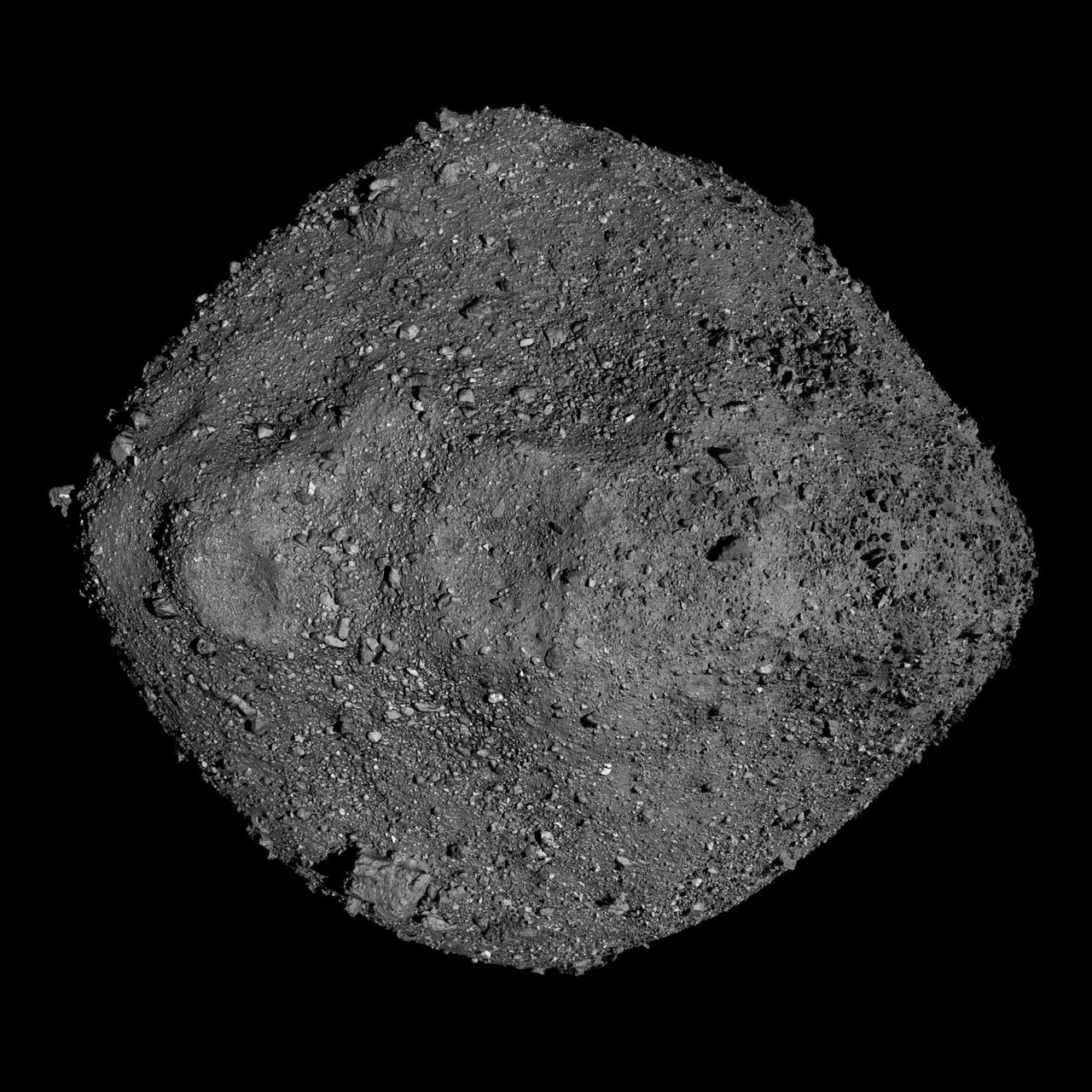
Senior research authors said during press presentations reported by Space Calendar and science journals that all five essential nucleobases required for DNA and RNA synthesis had been identified concurrently within pristine extraterrestrial material. Isotopic analysis confirmed that the nucleobases were not produced by biological metabolisms but formed through mineral-catalyzed chemical reactions within the nascent solar nebula approximately 4.6 billion years ago. Asteroid Ryugu is a primitive carbonaceous chondrite asteroid rich in hydrated clay minerals and organic carbon polymers. Laboratory simulations show that nitrogen-bearing molecules like hydrogen cyanide reacted with formaldehyde inside porous parent-body aquifers. The extraterrestrial material was preserved in pristine isolation from Earth's biosphere.
NASA planetary science teams noted that analytical protocols are being harmonized to evaluate carbonaceous samples returned from asteroid Bennu by the OSIRIS-REx mission. Comparative cross-laboratory analyses will establish baseline chemical inventories across asteroid classes.