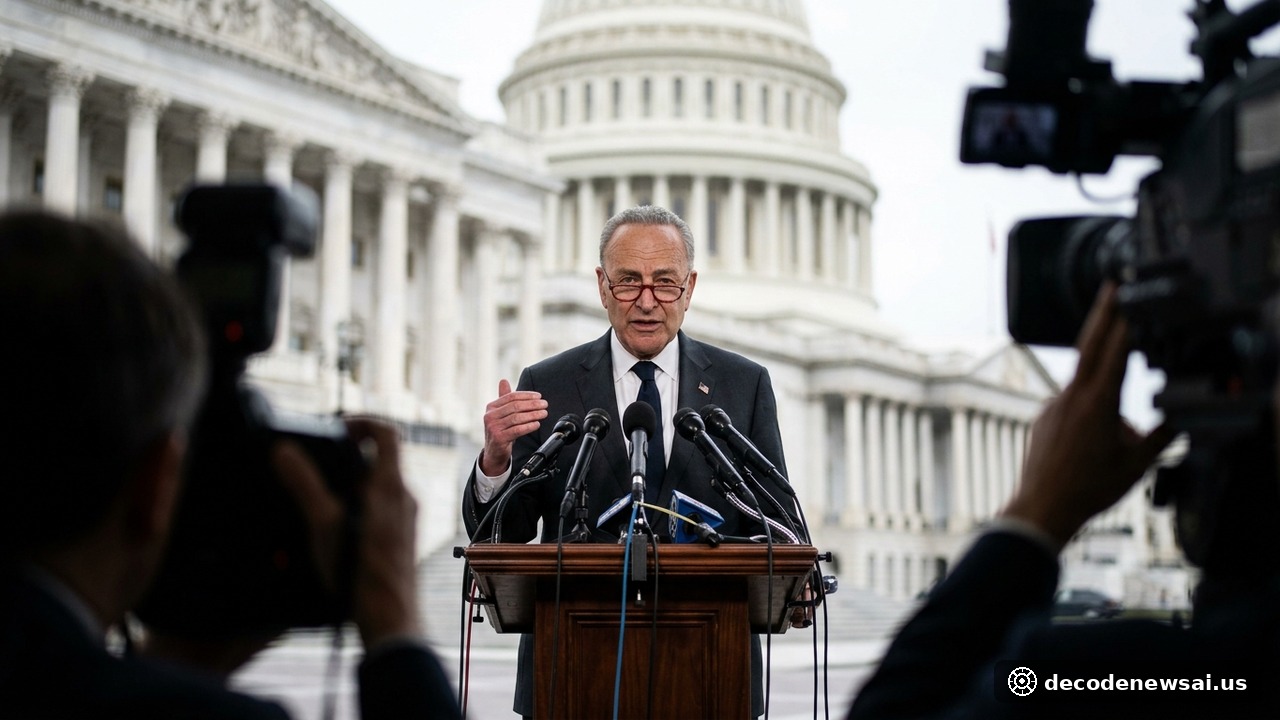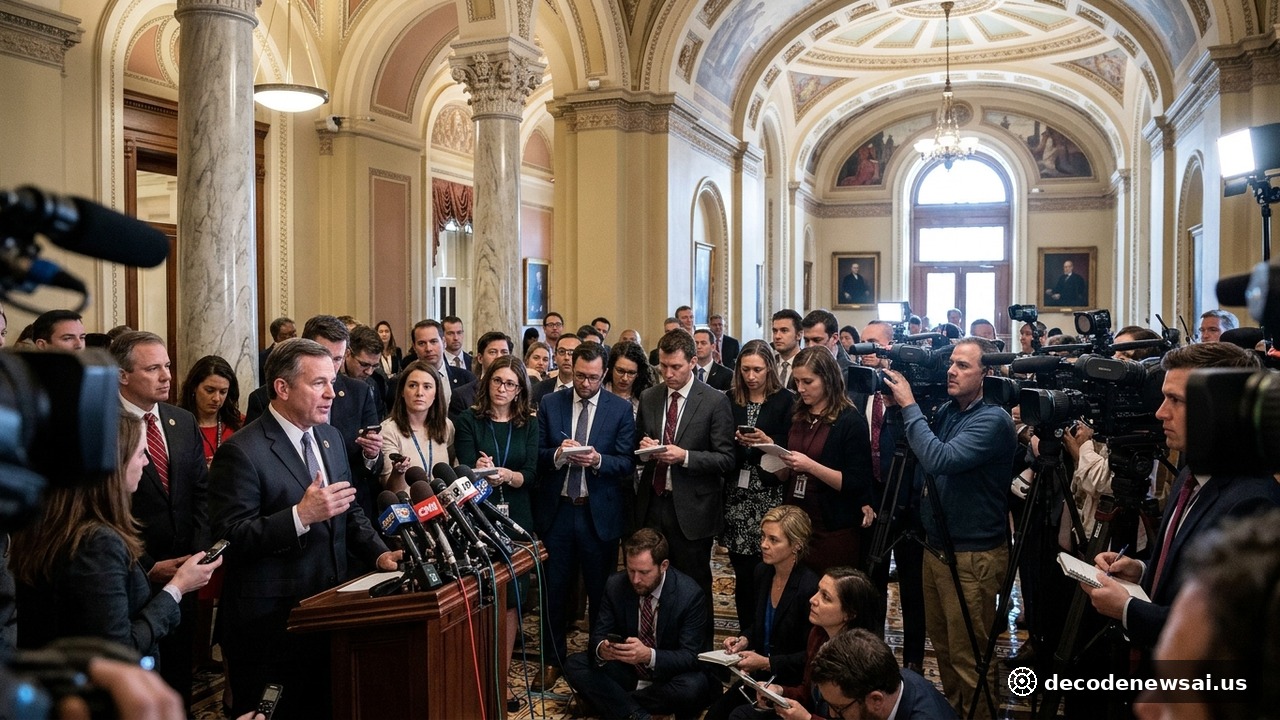
WASHINGTON — Senator Chris Van Hollen of Maryland formally announced on Thursday night, November 12, 2026, that he will challenge incumbent Senator Chuck Schumer for Senate Majority Leader in the upcoming 119th Congress. Reported late Thursday by The Washington Post, CNN, and the Associated Press, Van Hollen's direct leadership bid disrupts a decade-long tradition of uncontested Democratic leadership continuity in the upper chamber. Schumer, a New York Democrat who has led the Senate Democratic caucus since 2017, guided major legislative packages during previous sessions but faced mounting criticism from progressive lawmakers and younger members urging more aggressive confrontation against President Donald Trump's executive actions.
Serving on the Senate Appropriations and Foreign Relations committees, Van Hollen built credibility across competing party factions through persistent oversight of federal agencies and executive foreign policy decisions, and, in announcing his candidacy to national reporters, framed the contest around institutional accountability rather than personal rivalry. While Schumer's senior aides declined immediate public comment late Thursday, institutional allies maintained that the veteran New York leader retains broad backing among moderate senators and party fundraising networks.
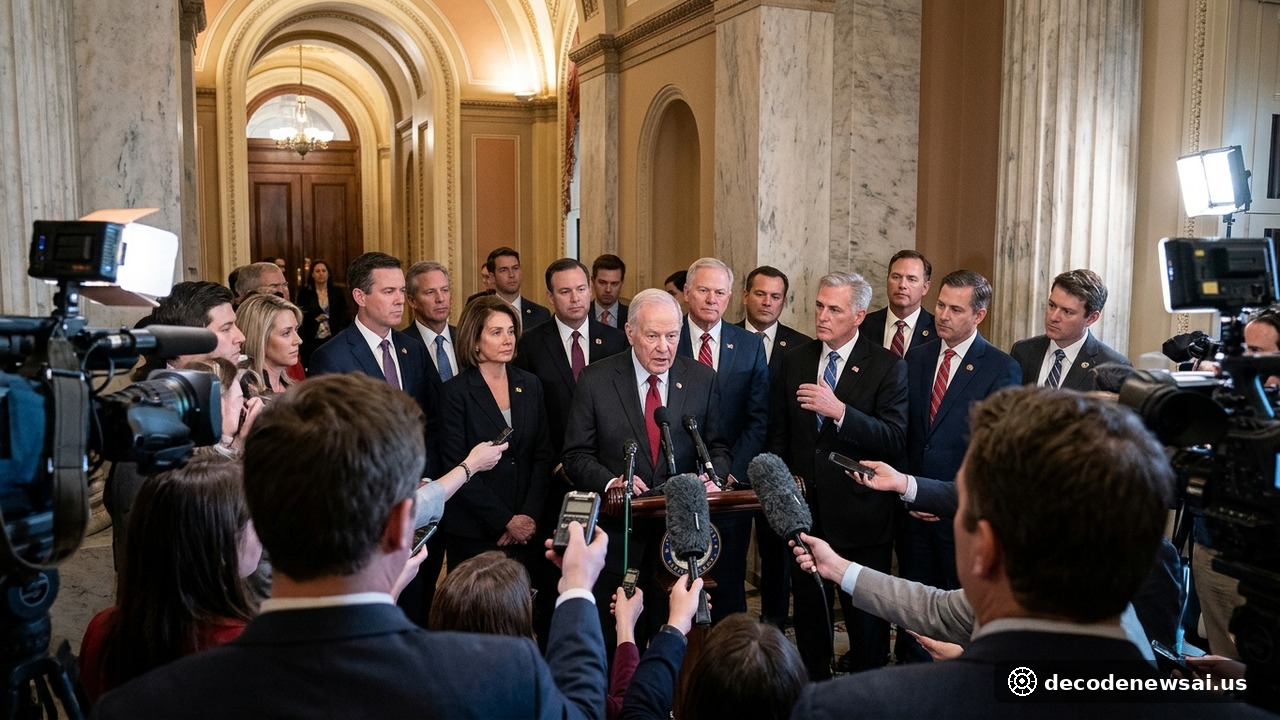
Senate Democrats are expected to convene their formal closed-door leadership election in the coming weeks before the new Congress convenes in January. With Democrats holding a narrow Senate majority entering the 119th Congress, competing ideological factions are openly debating legislative strategy. Moderate senators representing competitive swing states have urged leadership to prioritize healthcare premium stabilization and domestic manufacturing tax credits. Conversely, Van Hollen and reform-minded colleagues argue the caucus must deploy aggressive parliamentary tools to block controversial executive nominees and federal judicial appointments.
Political analysts noted that the upcoming secret-ballot caucus election represents the most serious challenge to Schumer's tenure since he became Democratic leader in 2017.