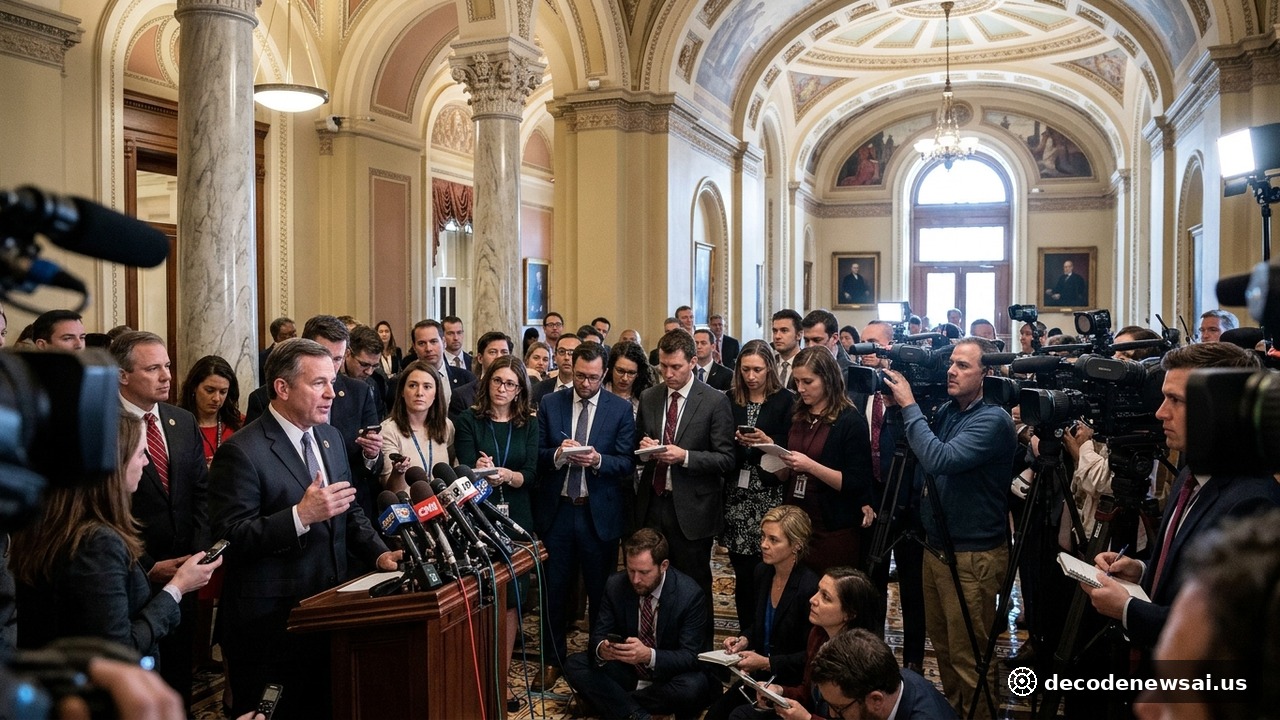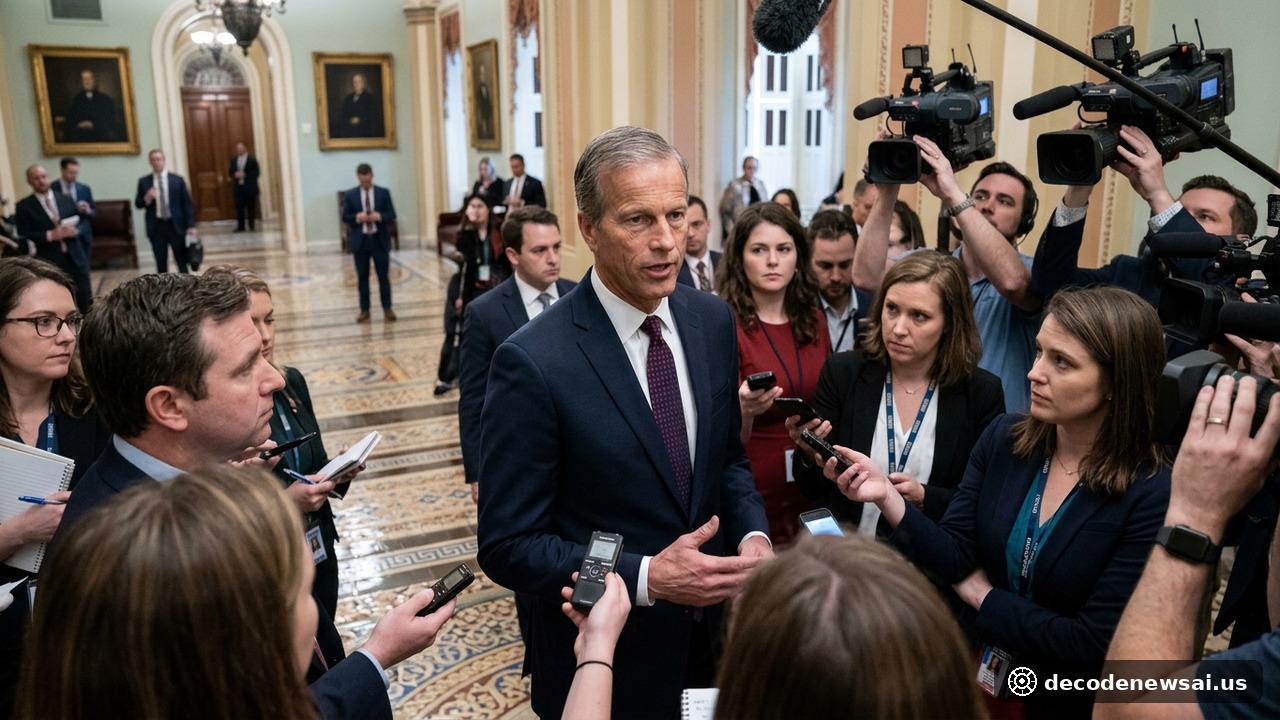
Senate Republican Whip John Thune confirmed Monday that the Senate Republican conference will proceed as scheduled with its internal secret-ballot leadership election on Tuesday morning. The decision comes despite public calls from incoming Pennsylvania Senator Dave McCormick and several conservative lawmakers urging leadership to postpone the vote. Thune emphasized that members will engage in thorough strategic debate before casting ballots. The institutional transition across Capitol Hill is advancing steadily. Post-election congressional dynamics are entering a critical phase.
Conservative Coalition Pushes to Delay Leadership Vote Following Midterm Defeats
The conclusion of the 2026 midterm elections transformed the balance of power across the Capitol, prompting deep internal debates regarding party strategy and future legislative directions. A vocal faction of conservative lawmakers led by Wisconsin Senator Ron Johnson formally circulated letters requesting that leadership delay the leadership vote. Internal discussions have intensified across the conference. Factional divisions remain visible.
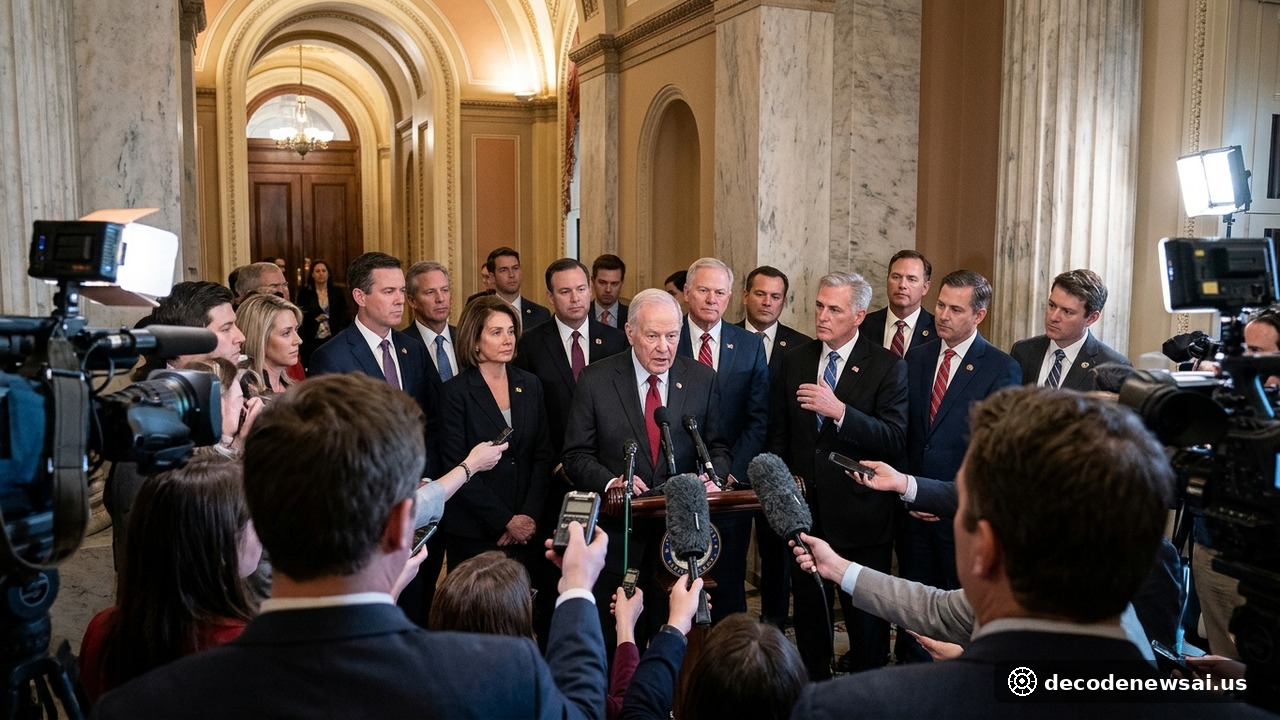
Dissenting senators argued that the party should not rush into electing its next leader while high-profile races in Alaska and Mississippi remain undecided. Both contests feature incumbent Republican senators awaiting finalized certified vote counts. Utah Senator Mike Lee publicly endorsed the postponement motion. Senator-elect McCormick released a statement over the weekend asserting that Republicans should delay leadership decisions until the substantive lessons of the election have been fully "digested and debated."
Addressing the procedural pushback on Capitol Hill on Monday, Senator Thune made clear that leadership is moving forward with the scheduled conference meeting. He stated: "We will have a very fulsome, robust conversation about where we go from here, and then we will see what the consensus of the conference is. Ultimately that is a decision made by Republican senators." Thune signaled determination to execute the established voting agenda. Party factions engaged in intense vote-counting sessions late into Monday evening.
Changing Parliamentary Landscape and Senate Floor Leadership Contests
Tuesday's leadership ballot represents a decisive transition following the decades-long tenure of outgoing Republican Leader Mitch McConnell. With Democrats set to control both congressional chambers in January, the next Senate minority leader will serve as the principal counterweight to the incoming majority's legislative priorities. Senator Thune enjoys broad support among traditional establishment lawmakers. Texas Senator John Cornyn also commands substantial institutional backing. The behind-the-scenes contest has been fiercely fought.
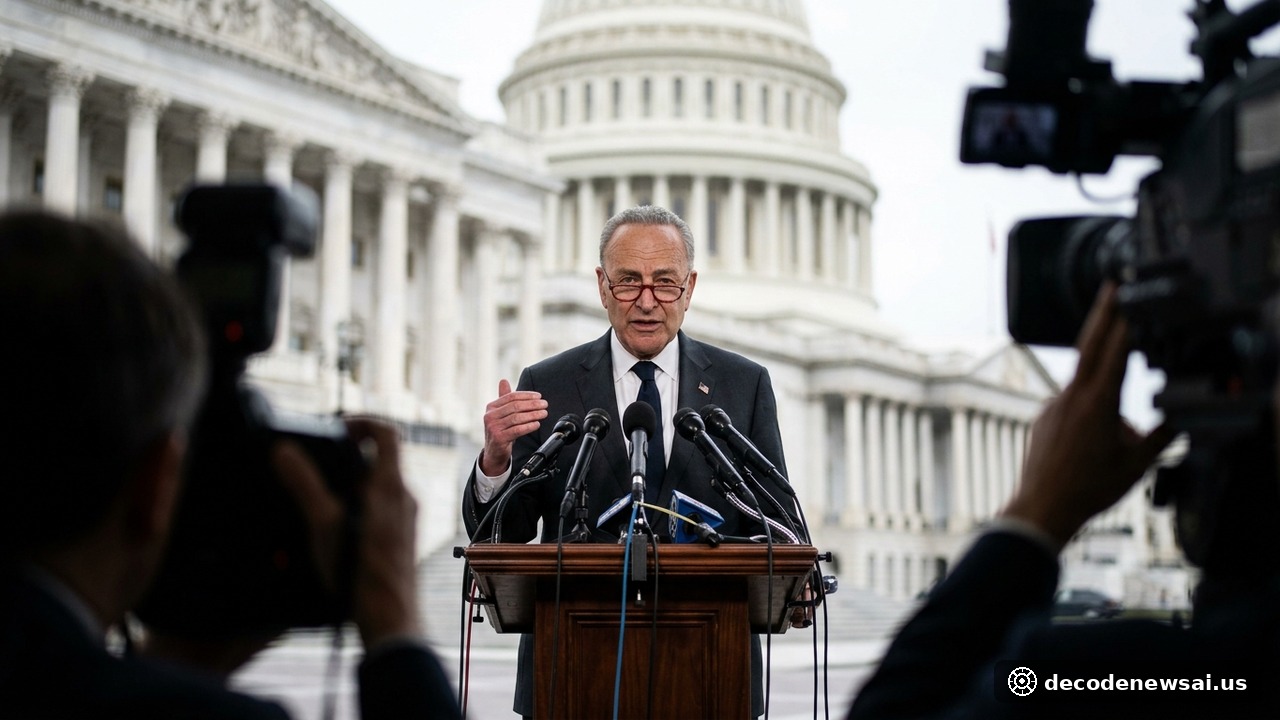
Across the aisle, Democratic Leader Chuck Schumer addressed newly arrived freshman senators while preparing to defend his own leadership mandate. Maryland Senator Chris Van Hollen weighed a potential challenge following private consultations with progressive allies. However, senior colleagues including Senator Kirsten Gillibrand publicly reiterated full support for Schumer. Party elections operate by secret ballot requiring a simple majority of attendees.
Incoming senators visiting Washington for new member orientation displayed calculated discretion regarding their votes on Monday. Michigan Senator-elect Abdul El-Sayed indicated openness toward emerging leadership candidates. Returning Ohio Senator Sherrod Brown affirmed his support for established party leadership. The calendar toward swearing-in day is shrinking rapidly. Both party caucuses are maneuvering to secure procedural influence.
Lame-Duck Appropriations Battles and Divided Government Realities
As newly elected lawmakers begin orientation on Capitol Hill, the outgoing Congress confronts an urgent six-week lame-duck session to negotiate stopgap federal discretionary funding. Without a cross-party budget agreement before mid-December, critical federal agencies face immediate shutdown threats. Deficit pressures remain acute. Floor negotiations are becoming increasingly complex.
The newly elected Republican floor leader will assume immediate responsibility for directing caucus strategy on statutory debt ceiling negotiations and energy infrastructure permitting packages. Under standard parliamentary rules, major statutory packages require sixty votes to overcome filibuster obstacles in the Senate chamber. Procedural constraints are firm and clear. Cross-party negotiation will be necessary to advance meaningful legislation.
Congressional analysts observed that regardless of Tuesday's outcome, the Senate Republican caucus faces a protracted reconciliation process to unify competing ideological wings. Balancing base political expectations with swing-state constituent imperatives presents an enduring strategic challenge. Legislative politics in Washington is undergoing profound structural realignment. The next phase of congressional governance has officially begun.