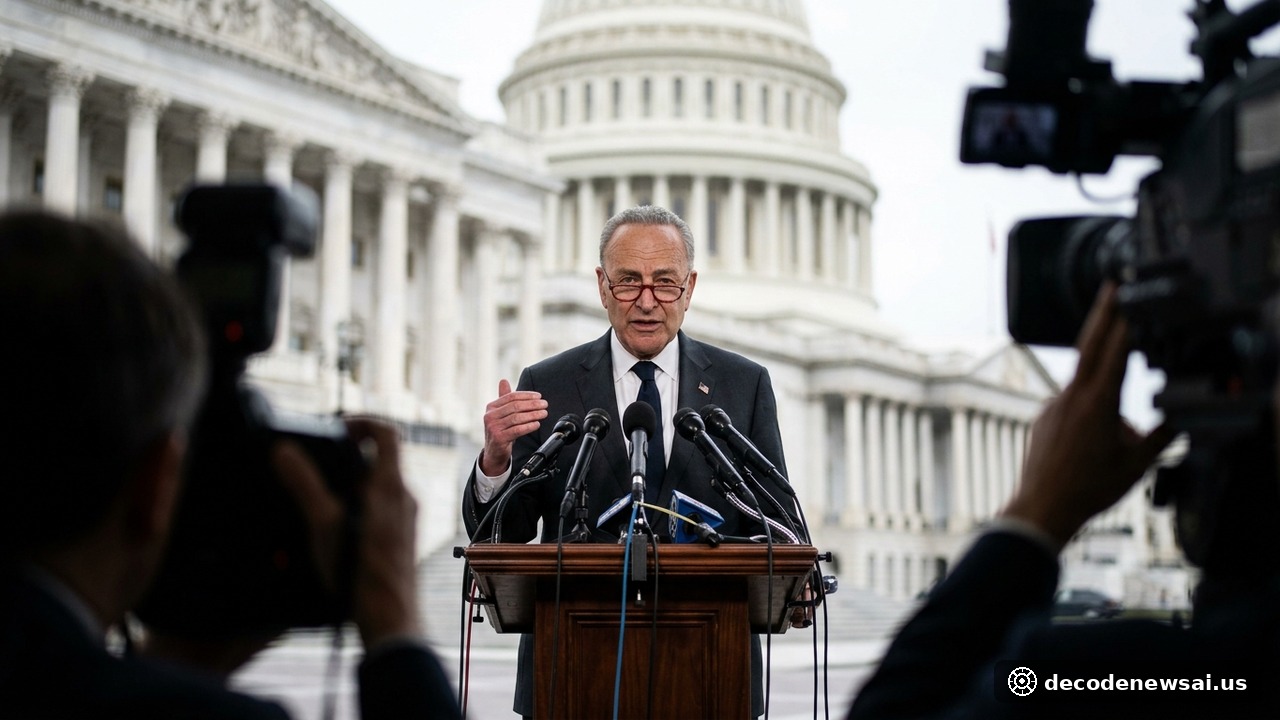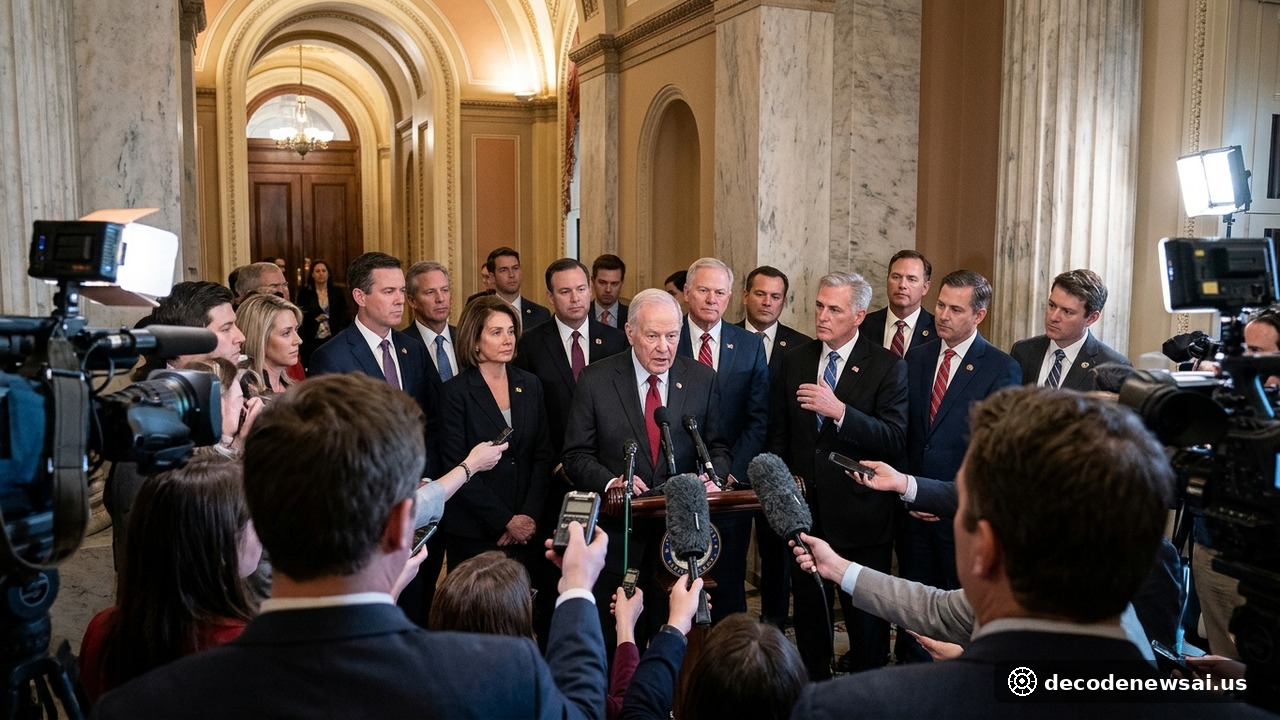
U.S. Senator Bernie Sanders announced publicly on Tuesday evening, November 10, 2026, in Washington, that he will not support Senator Chuck Schumer to continue as the Senate Democratic leader in the upcoming 120th Congress. The high-profile declaration by the influential progressive lawmaker marks a significant escalation in internal deliberations over legislative priorities following last week's midterm elections, in which Democrats secured control of both congressional chambers.
Sanders Calls for Fresh Leadership Focused on Working-Class Economic Challenges
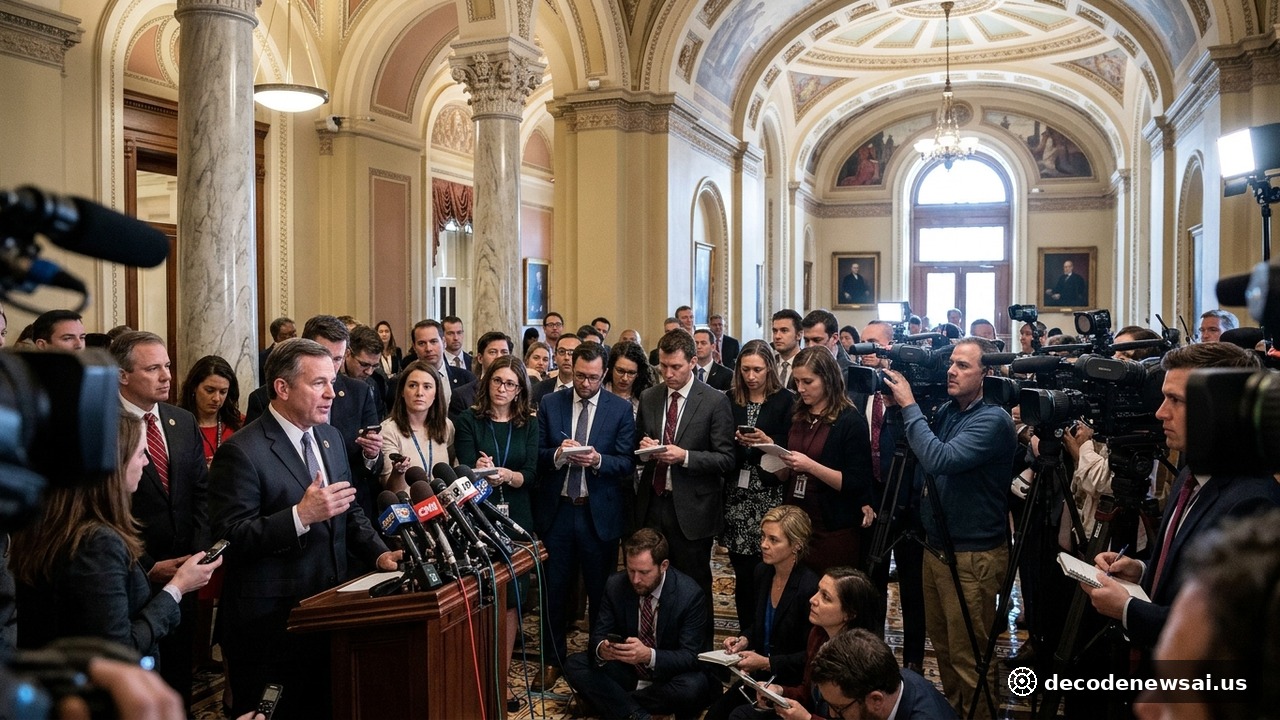
Speaking to national media outlets on Capitol Hill, Sanders explained that the decisive electoral victory achieved across diverse states demands a comprehensive re-evaluation of congressional strategy and policy execution.
Sanders stated in Washington: "The time is now for change. And I will not be supporting Chuck to be reelected as the Democratic leader. The incoming majority needs a bold, unequivocal commitment to addressing the cost-of-living crisis facing working families rather than continuing business as usual." The Vermont independent, who caucuses with Senate Democrats, underscored that leadership must present a transformative legislative platform.
Sanders' stance reflects mounting expectations among progressive coalitions seeking urgent statutory action on drug pricing, corporate taxation, and federal minimum wage standards. Several incoming freshmen lawmakers have voiced similar reservations, signaling that automatic endorsements for senior incumbents are no longer guaranteed without rigorous policy commitments.
Shifting Caucus Dynamics Challenge Establishment Control Ahead of Leadership Votes
The midterm outcome altered internal Senate dynamics as Democratic candidates flipped competitive seats in Ohio, North Carolina, and several southern jurisdictions.
While Schumer actively recruited successful candidates such as Senators-elect Sherrod Brown and Roy Cooper, progressive contenders prevailed in competitive primaries in Michigan and Maine before winning their general elections. This diverse incoming coalition has intensified scrutiny on the legislative agenda. Representative and Senator-elect Elissa Slotkin of Michigan reiterated that she is withholding support from any leadership contender until candidates formally present prioritized operational roadmaps for committee assignments and statutory schedules.
Schumer's press office did not issue an immediate public reaction to Sanders' announcement on Tuesday evening. Senior caucus aides confirmed that private consultations are accelerating ahead of the scheduled closed-door organizational meetings. As lawmakers return to Washington for the lame-duck session, the leadership vote will define how the new Democratic majority balances executive oversight responsibilities against expansive domestic economic initiatives throughout 2027.
Political scientists and legislative analysts noted that leadership contested ballots frequently establish policy parameters for newly assembled congressional majorities. When progressive and moderate blocs negotiate governing charters during organizational conferences, the resulting leadership compromises typically shape the speed and scope of committee oversight activities. Observers will monitor upcoming caucus meetings as party members formalize candidate selections ahead of the January inauguration. Sustained internal coalition coherence remains essential for translating legislative majorities into durable statutory outcomes.
Strategic planning advisors and international trade specialists noted that long-term intergovernmental frameworks generate predictable operating environments across key industry sectors. By coupling transparent administrative guidelines with rigorous scientific benchmarks, regulatory bodies and enterprise leaders establish sustainable operating models capable of withstanding shifting macroeconomic dynamics. Global market participants will continue observing forthcoming implementation milestones as public agencies execute their mandated responsibilities throughout 2027. Cross-border coordination remains vital for driving sustained operational resilience and delivering measurable societal benefits worldwide.
Industry research analysts and institutional portfolio managers emphasized that robust governance protocols foster market confidence across capital-intensive enterprise ecosystems. When commercial operators maintain disciplined capital allocation standards while proactively addressing regulatory compliance obligations, supply chains achieve greater durability against external macroeconomic shocks. Executive leadership teams across North America and Europe continue prioritizing long-term strategic alignment over transient cyclical fluctuations, ensuring that core infrastructure deployments remain on schedule throughout the coming fiscal periods.